
Disclosure: This post (probably) contains affiliate links. If you click on one, I may make a small commission. Of course, this will come at no extra cost to you and helps keep this site running.
Travelling around Japan, tourists often pass by small cities on their way to the country’s most famous destinations and attractions. Pass through Nagano Prefecture, and the city you’re likely to see all too briefly is Matsumoto.
Because I was aware of its original castle, one of Japan’s few, I knew that visiting Matsumoto for a couple of days had to be part of my itinerary. Matsumoto isn’t a large place, and it may lack some of the traditional elements people seek out from destinations like Kyoto or Takayama. But let me show you why the scenery, history, culture, and quirks of Matsumoto make it so worth visiting if you’re given the chance.
How to get to Matsumoto
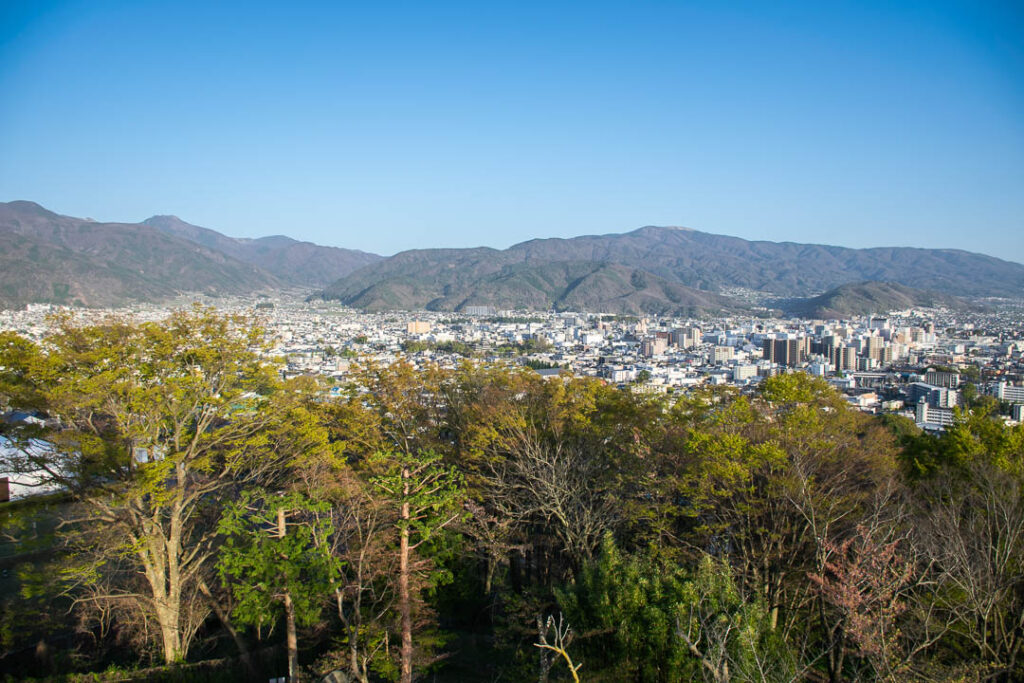
A logical place to start with advice for visiting Matsumoto is explaining how to get there and adding it to your itinerary.
Matsumoto is located in Nagano Prefecture and is likely the second most important city there, after Nagano itself.
International visitors frequently travel through Matsumoto when exploring the Chubu region, thanks to its convenient location near regional highlights such as Kamikochi and the Kiso Valley.
To get to Matsumoto, you have good options for both bus and train. I took the bus from Takayama, which took about 2.5 hours through the mountains. But Matsumoto is also connected to other major cities, with even direct buses from Tokyo if you want to head straight there.
Alternatively, trains connect Matsumoto with Nagano and Nagoya, along the route between these two larger cities. It’s 1 hour from Nagano to Matsumoto, and roughly 2 hours from Nagoya.
You can use your JR Pass or the Alpine-Takayama-Matsumoto Area Tourist Pass that covers the region for almost everything mentioned here, including the Takayama bus. The one exception is the trains to Nagano when travelling on that regional pass.
Where to stay in Matsumoto
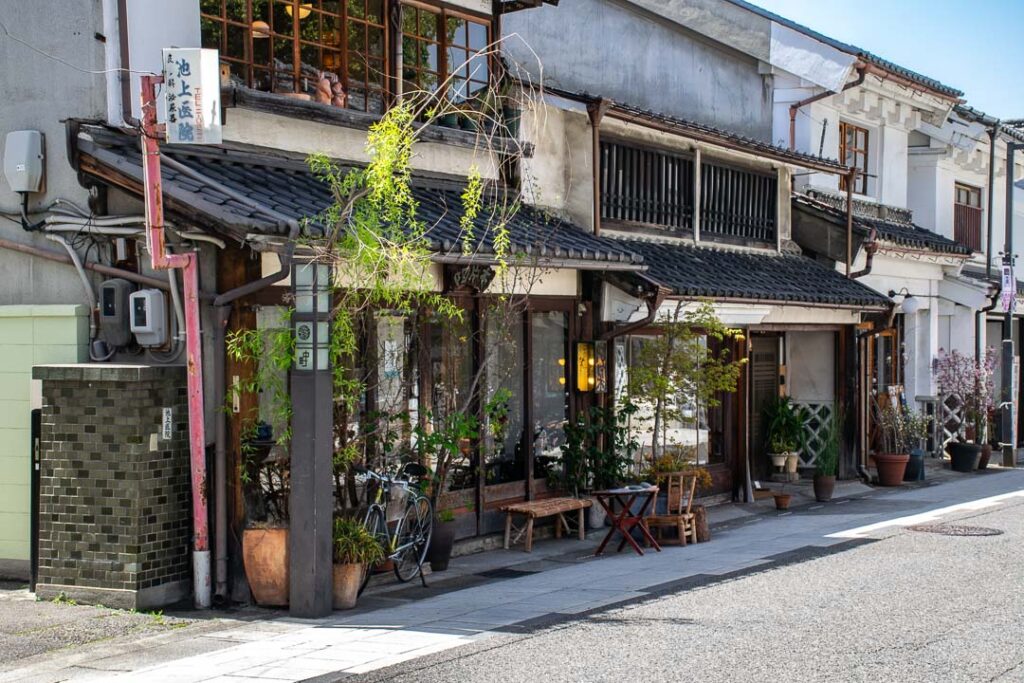
The other important thing to know is how to find accommodation in Matsumoto.
There are lots of hotels in the city centre, mostly around the train station area. This makes sense given how useful Matsumoto is as a transit hub, and it’s where I’d recommend you look.
My stay at the Hotel Buena Vista was a nice treat for me, as it was a chance to stay in a 4-star hotel. Accommodation in Matsumoto is cheaper than in more popular Japanese cities, giving you the chance to try grander places if you like.
If you like to have a few options when planning, here are other well-rated places to stay in Matsumoto:
Things to do in Matsumoto
There are many reasons to visit Matsumoto, and many travellers don’t even realise how easy it is.
Those who pass through might pay the castle a visit, but that’s just the start of the things to do in Matsumoto. Learn about the city’s culture and heritage, not to mention the beautiful surrounding mountains, and you’ll see why this is a missed opportunity.
This guide should give you a firm grasp on what to see and do in Matsumoto, if you decide not to explore with a guided tour of the city. I will say, though, that two attractions that I missed were the Matsumoto Timepiece Museum and the Matsumoto City Alps Park. Keep those in mind in case they interest you.
Matsumoto Castle

There’s no question that Matsumoto Castle is the main sightseeing attraction when you visit Matsumoto.
After all, it’s one of Japan’s rare castles that has been preserved in its original form. Many castles in Japan today are simply reconstructions, as many castles were destroyed due to war, fires, or reformations during the Meiji Period.
Looking at the castle from across its moat, it’s hard to believe that it has been preserved from the late 1500s/early 1600s, given its good condition. Matsumoto Castle sits in rare company with the likes of Himeji Castle and Hikone Castle, which I also got to see on this trip.
Visiting the castle, you’ll soon learn about other aspects of its design and history that make it so interesting. For instance, its distinctive black exterior earned it the nickname “Crow Castle” and Matsumoto Castle is unusual for having two keeps or donjons.
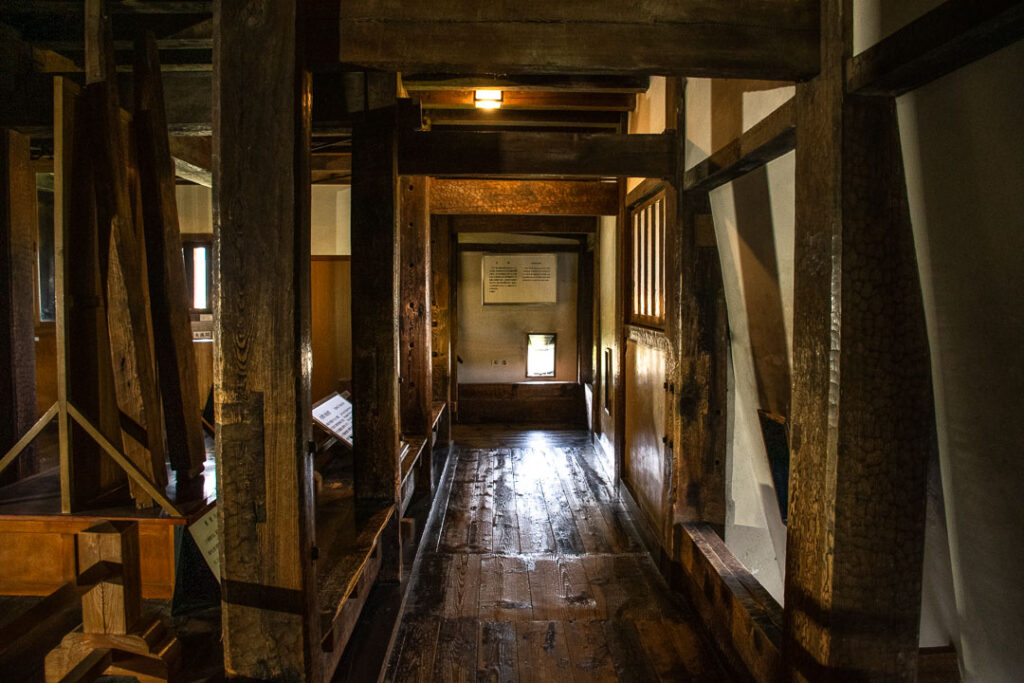
Unlike some other castles in Japan, the grounds around the castle are relatively restrained. On them, you’ll mostly see outlines of former structures and residences. The main appeal is the tour inside the main keep, where you get to climb through its six floors. On the top floor, you find the watchtower, featuring great views of the surrounding area.
In terms of museum exhibits, they’re mostly contained in the armoury on the 2nd floor. That said, there are information boards peppered throughout that speak to design elements of the castle, from holes for shooting arrows to the ornaments of mythical creatures that sat on the tower’s roof. Outside of the main keep, you’ll find more information about the castle over by the Taikomon gate.
The Hazy Mountain Backdrop
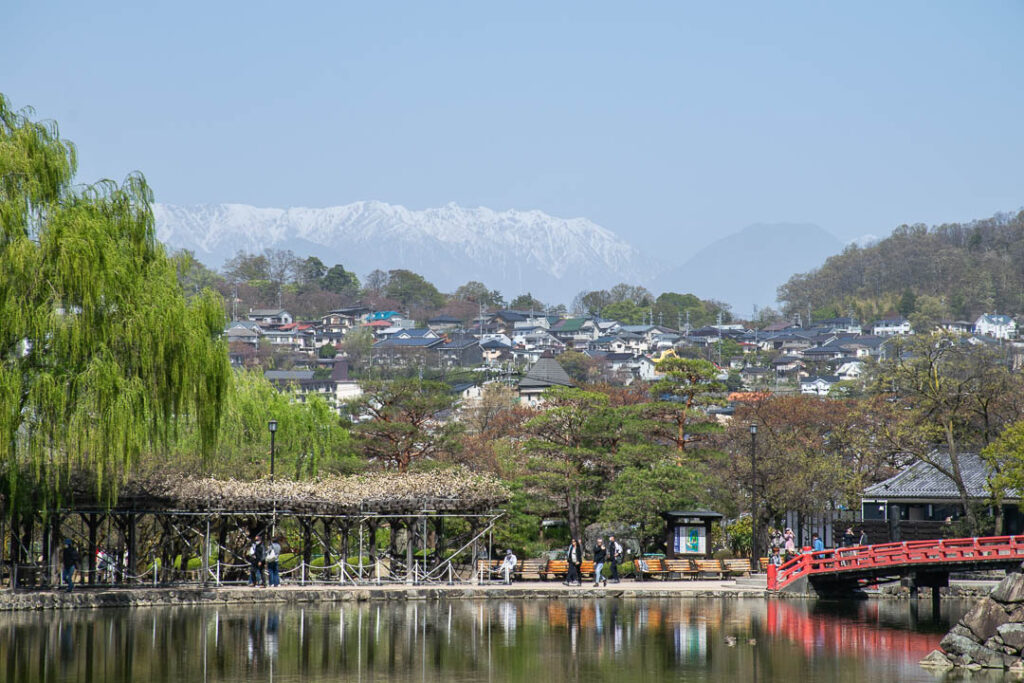
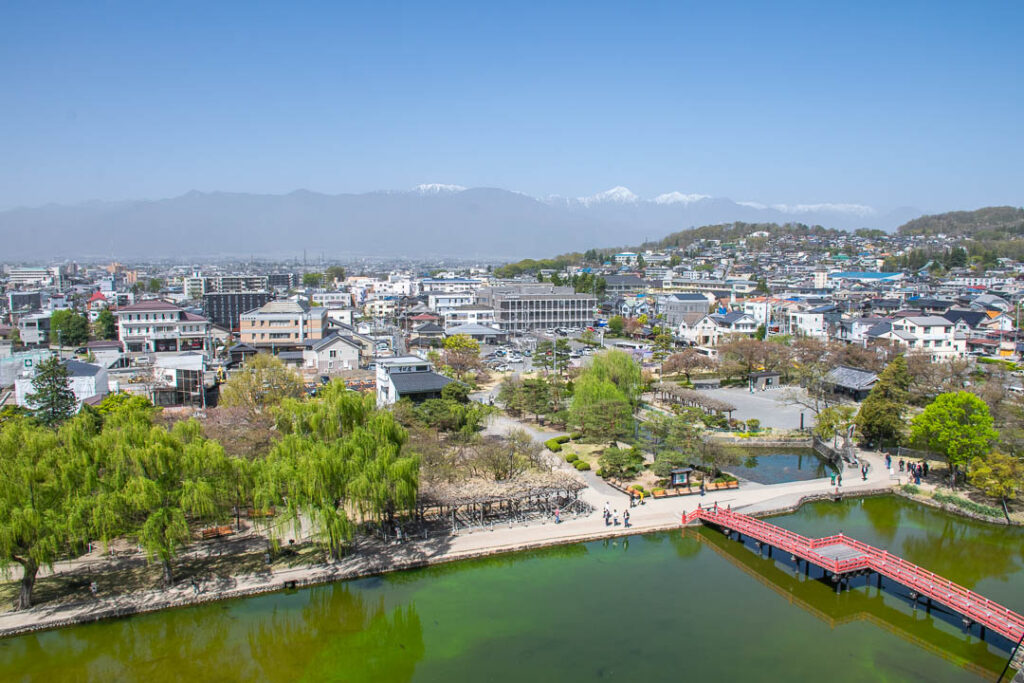
Nagano is known for its mountains, and they’re clearly on display when you visit Matsumoto.
You can see them from street level, but viewpoints like the castle and Shiroyama Park make it easier. What’s a shame is the haze that seems to cling to Matsumoto, as it causes that backdrop to fade. This was in spring; I imagine the scenery in winter is a sight to behold.
Matsumoto City Museum of Art

Even though Matsumoto is an important regional hub, it doesn’t have too many big cultural institutions. What it does have, though, is the Matsumoto City Museum of Art, a museum that you’ll definitely remember. How often do you see huge polka-dot plant sculptures outside a museum’s entrance?
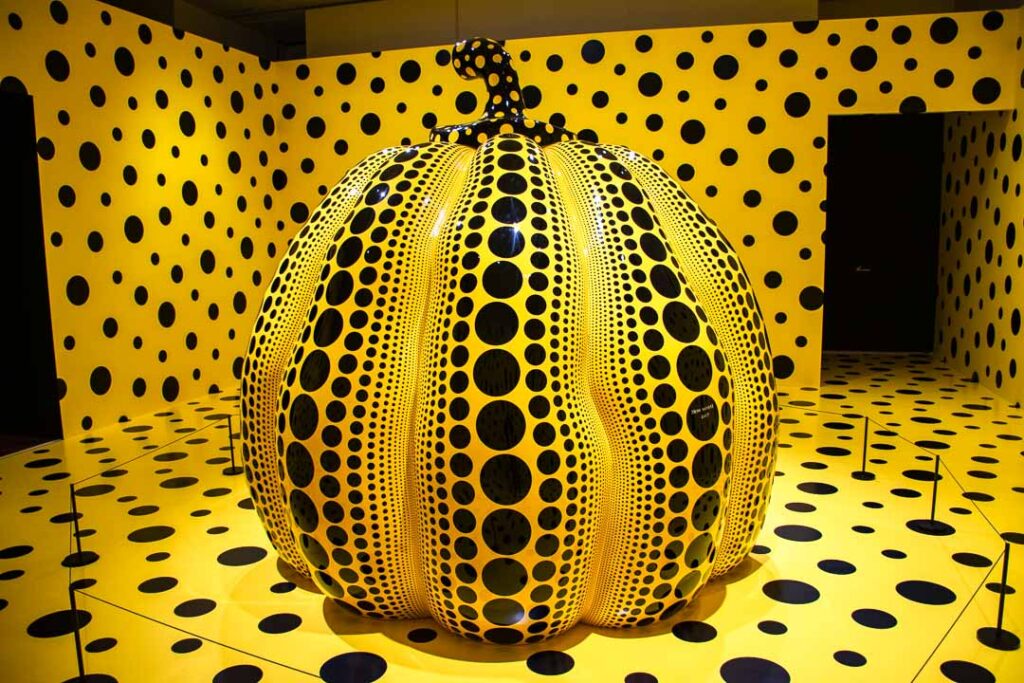
The focus of the Matsumoto City Museum of Art is regional art, but the heart of its collection is the Yayoi Kusama exhibition. Kusama was born in Matsumoto and later moved to the US. This exhibition showcases some of her works, highlighting why she’s a leading figure in the contemporary art movement.
The pumpkin seen below is a classic example of her style, and the sculpture is one of her best-known pieces. It’s also the only one you’re allowed to photograph, unfortunately. Her Infinity Mirror Room is another highlight, offering an overwhelming, illusory experience that you may have seen on social media. Do not miss this art museum during your Matsumoto visit.
Shiroyama Park
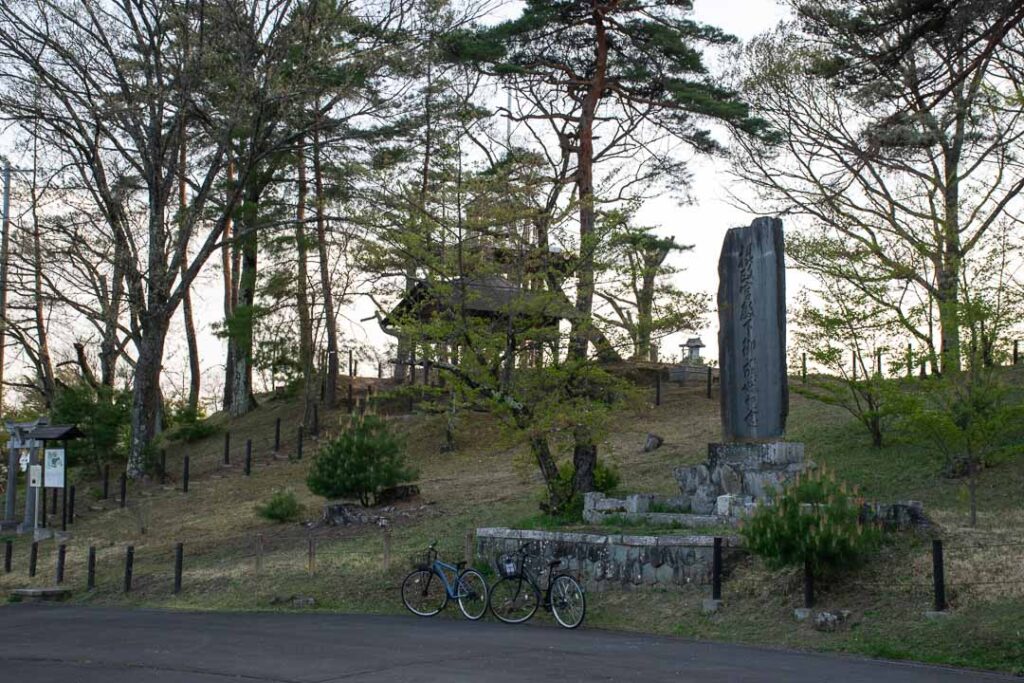
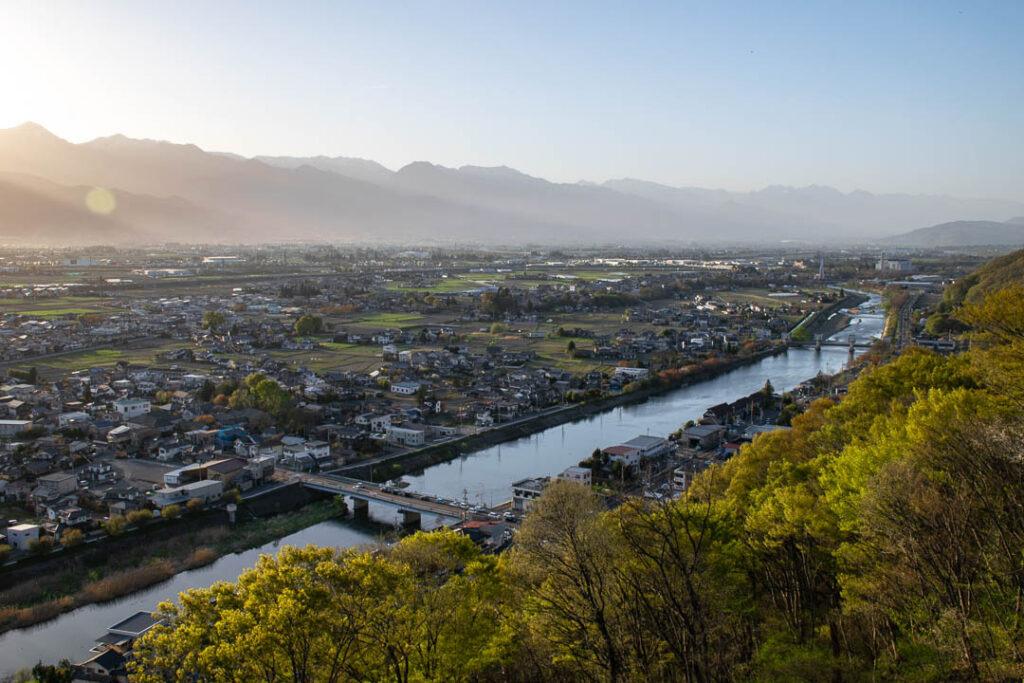
One attraction in Matsumoto that I don’t think gets enough attention is Shiroyama Park. Sometimes also called Joyama Park, this hilltop park northwest of the city centre has a really impressive viewpoint.
It’s worth mentioning that Shiroyama Park is quite removed from the main tourist area. To get there, you can take the bus or walk out from the city centre, but both options will include the uphill walk through the nearby residential area.
The park itself is quite pretty, especially in spring with its trees in bloom, and you’ll also find a shrine there. But it’s the park’s observation tower that I’d say is the real draw for tourists. Climb on up and you’re treated to phenomenal views.
You can see all of Matsumoto’s city, including Matsumoto Castle, and how it fits within the landscape. On top of that, you get views away from the city along the Narai River and towards the mountains. It was also cool seeing birds of prey fly loops overhead, clearly on the hunt for nearby critters.
Visit local shopping streets

For the traditional side of Matsumoto beyond its castle, you’ll want to head to the city’s two shopping streets. That’s because these two streets are lined by historic buildings or kiosks that reflect a more old-fashioned way of life.
The two streets, Nakamachi Shopping Street and Nawate Shopping Street, couldn’t be more different. Nakamachi Shopping Street is the all-white street seen above, with restaurants and boutiques making use of its historic buildings.
Nawate Shopping Street features a row of traditional kiosks along the Metoba river. It was there I stopped for a taiyaki ice cream sandwich – an ice cream sandwich using the fish-shaped wafers known as taiyaki that are a common Japanese street food.

The city’s manhole covers
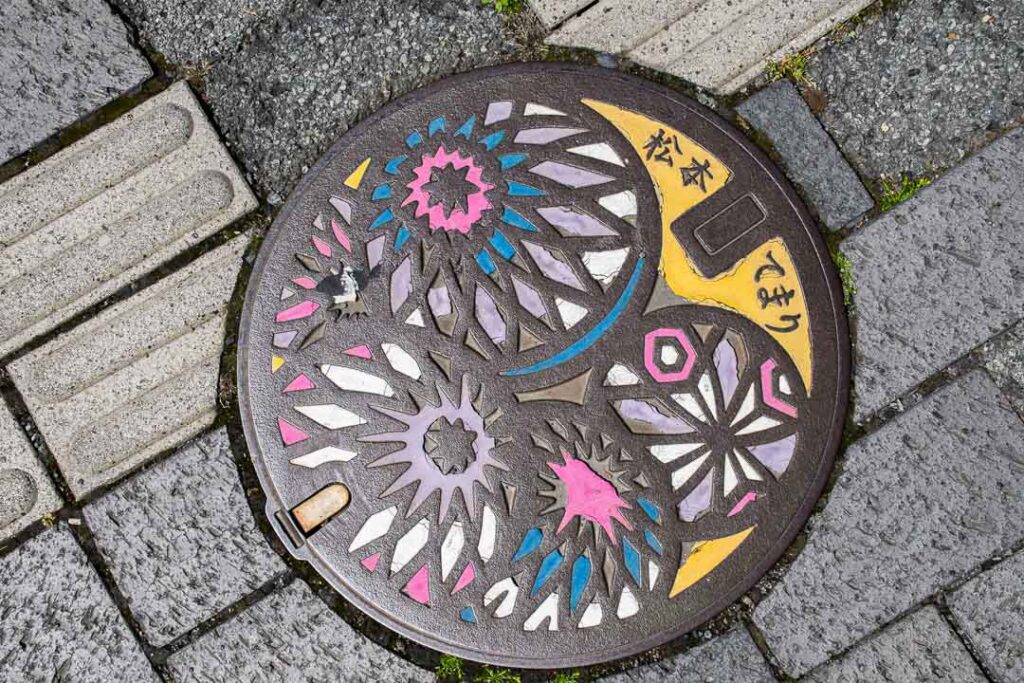
While exploring Matsumoto, I highly recommend looking down as you go about your sightseeing. I say this because the city has taken to painting many of its manhole covers, and it’s such a cute touch.
I know various cities in Japan do this, but somehow, Matsumoto’s felt less of a gimmick.
The painted manhole covers all feature the pattern seen above, but I saw they come in different colours. It’s a small thing, but I often think that small touches like this really help build a destination’s personality.
Visit Matsumoto’s various coffee shops

Often in Japanese cities, the coffee scene is dominated by chains, both international and domestic. But it felt noticeably different in Matsumoto, with a lot more independent coffee shops and cafes about. During my time in the city, I found two places I quite enjoyed for different reasons.
For exceptional coffee, Cafe Larch absolutely nailed it. You choose the beans you want, and the coffee comes with a tasting notes card. I was on an iced coffee spree at this stage, and it was some of the best coffee I had in Japan.
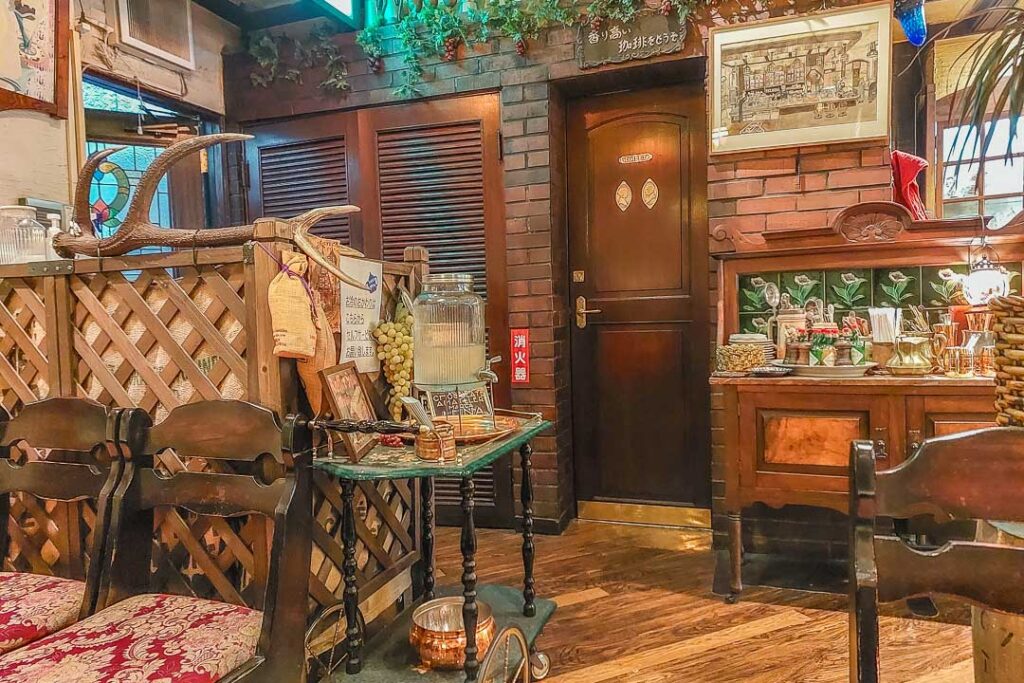
In terms of atmosphere, you have to experience Jun Kissa Abe. The coffee may be standard fare, but this cafe has a very quirky aesthetic. It almost gave me the feel of a lodge in the woods of Germany or something, with such an unusual mix of knick-knacks and artwork. Sitting down here really felt like a central European coffeehouse, just with an over-the-top decor.
Do these things to do in Matsumoto make you interested in visiting the city during a trip to Japan? Have you had the chance to visit Matsumoto, and if so, what did you do there? Please share your thoughts in the comments below.
