
Disclosure: This post (probably) contains affiliate links. If you click on one, I may make a small commission. Of course, this will come at no extra cost to you and helps keep this site running.
Japan has a handful of big-name destinations that most travelers focus on with their first trip. But it feels like, while people talk a lot about making the most of Tokyo or Kyoto, there’s less information about visiting Hiroshima.
I didn’t make it to Hiroshima until my second long Japan trip, partly because I didn’t know what to expect. Some of the things to do in Hiroshima are obvious, but I think its full appeal isn’t always clearly communicated. So let me try to show you why Hiroshima is worth visiting and what you should know before going.
Getting around Hiroshima
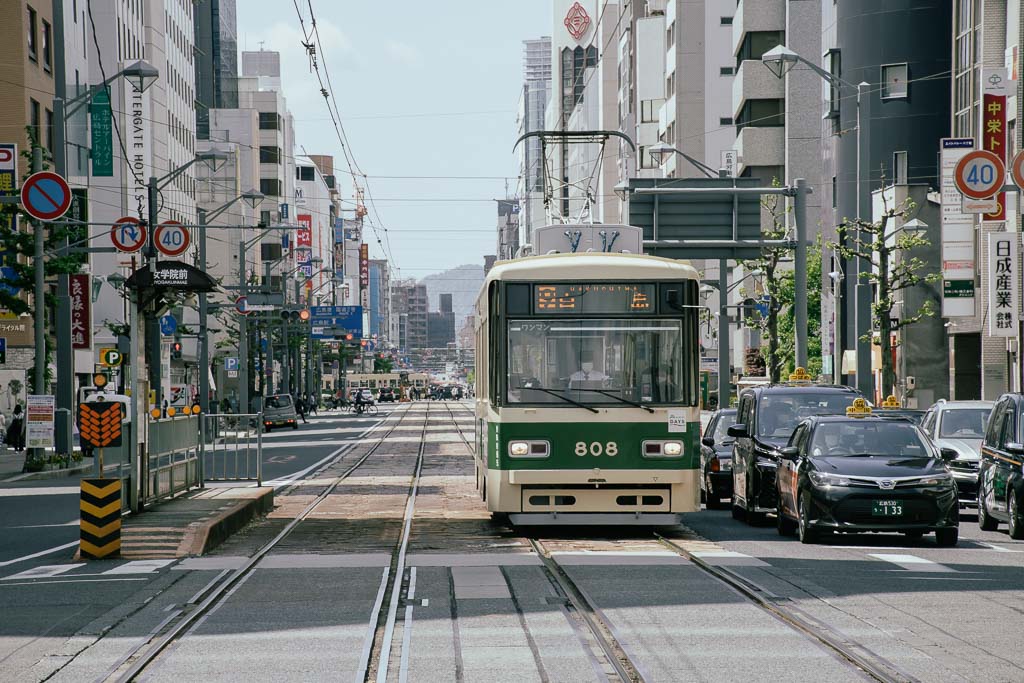
Japan and its cities are known for their high-quality public transport, but what about Hiroshima?
Well, unlike Tokyo, Kyoto, and Osaka, it lacks an extensive metro system. It just has the Astram Line, but its route doesn’t help tourists much.
Instead, trams/streetcars run through parts of the city. They connect Hiroshima Station with the downtown and the Peace Park, but I did find times when they weren’t that helpful. Taking the tram in Hiroshima was one of the rare cases where I experienced delayed service in Japan, with it running almost 10 minutes late.
City buses are the other option for the city center, while there are train lines to Miyajimaguchi if you want to visit Miyajima. Like elsewhere in Japan, just use your IC card to pay for transport fares.
From my experience, prepare to rely on walking more in Hiroshima than you might in other cities. Thankfully, many of its attractions are close together.
How long to spend in Hiroshima

I frequently see people try to zip through Hiroshima when planning their Japan itinerary.
They’re happy to allow time in Tokyo and Osaka, but when it comes to visiting Hiroshima, they aim for the minimum.
While a day in Hiroshima isn’t a waste of your time, it’s going to go by quickly. Worse, you’ll be leaving out a bunch of stuff that gives you a broader idea of the city.
Hiroshima feels vastly different from the other big cities in Japan that I’ve seen. Maybe that’s because I was there over Golden Week, a time of year with lots of national holidays, and Hiroshima hosts a huge festival.
You’d think that would make the city busy and frenetic, but I found Hiroshima very quiet and tranquil. But only by having enough time there to soak up smaller moments that showed me modern Hiroshima, rather than a snapshot from 1945.
To get to my point: one day lets you see the famous sites. Two days allows you time for Miyajima. With three or more days, you can explore different sides of the city.
I think you’ll like Hiroshima a lot more after 2-3 days than you will speeding through in one.
Where to stay in Hiroshima
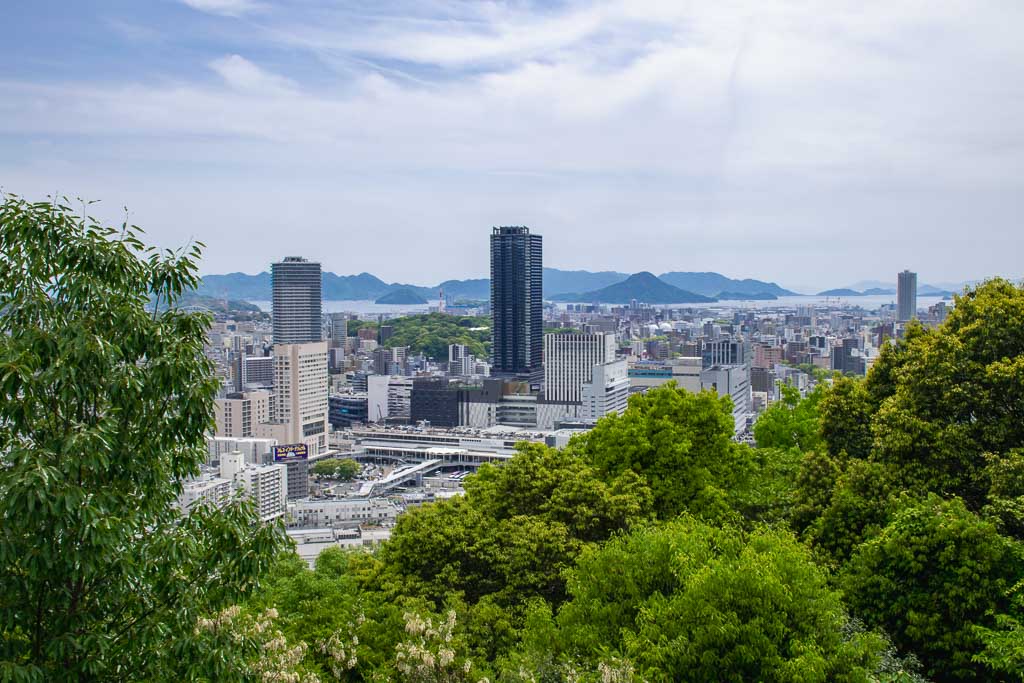
Deciding where to stay in any unfamiliar city can be stressful, with lots to weigh up.
Unfortunately, Hiroshima doesn’t make it easy either. There are plenty of accommodations in Hiroshima, scattered across various areas. The three main areas are near the station, the downtown area, and the neighbourhoods just west of the peace park.
When choosing where to stay, you need to weigh up cost, how close you are to attractions, and public transportation access. I don’t think any area is perfect for all of these things, but downtown probably provides the best balance.
For my visit, I stayed at The Royal Park Hotel Hiroshima Riverside, a nice hotel overlooking the river. While the view was nice, it was a 10-minute walk to Hiroshima Station, and further to attractions, with poor access to trams, restaurants, and cafes. If you don’t mind a walk, it’s great.
To give you options for your trip, these are other well-rated places to stay in Hiroshima:
- Randor Hotel Hiroshima Prestige
- The Knot Hiroshima
- River Central Hiroshima
- Rihga Royal Hotel Hiroshima
Advice for visiting Hiroshima
Reflecting on my time in Hiroshima, my experiences fall into four parts. I hope by explaining each, you’ll see why Hiroshima is worth visiting and gain insight into how to plan your trip.
You should be able to build your Hiroshima itinerary using these building blocks, based on how long you have and what interest you most.
The history of the atomic bomb is important
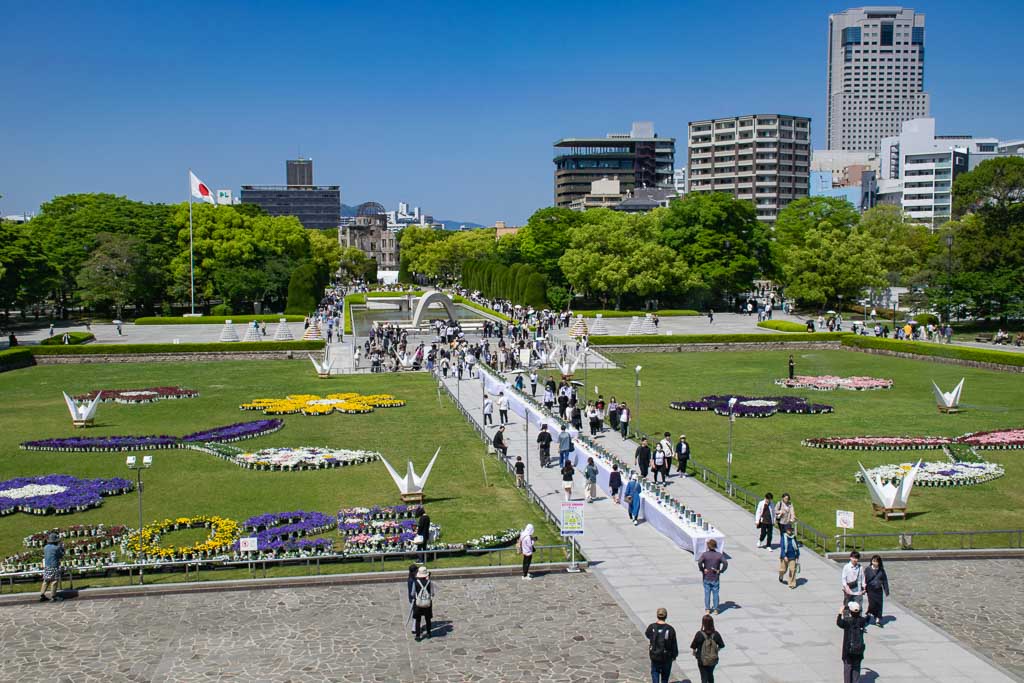
For Western tourists, the history of the atomic bombing of Hiroshima is probably what they most associate the city with.
That seems fair — it was a devastating, pivotal moment in world history.
And naturally, you’ll find plenty of local landmarks that relate to it. There are even street signs around the city indicating which buildings survived and how far they were from the blast epicenter.
The most recognizable is the Atomic Bomb Dome, a shell of a building destroyed like so many on August 6, 1945.
But just across the river, you have the Hiroshima Peace Memorial Park, which is arguably more important. There, you can find memorials to the victims of the bombing, including the Flame of Peace and the Children’s Peace Monument.
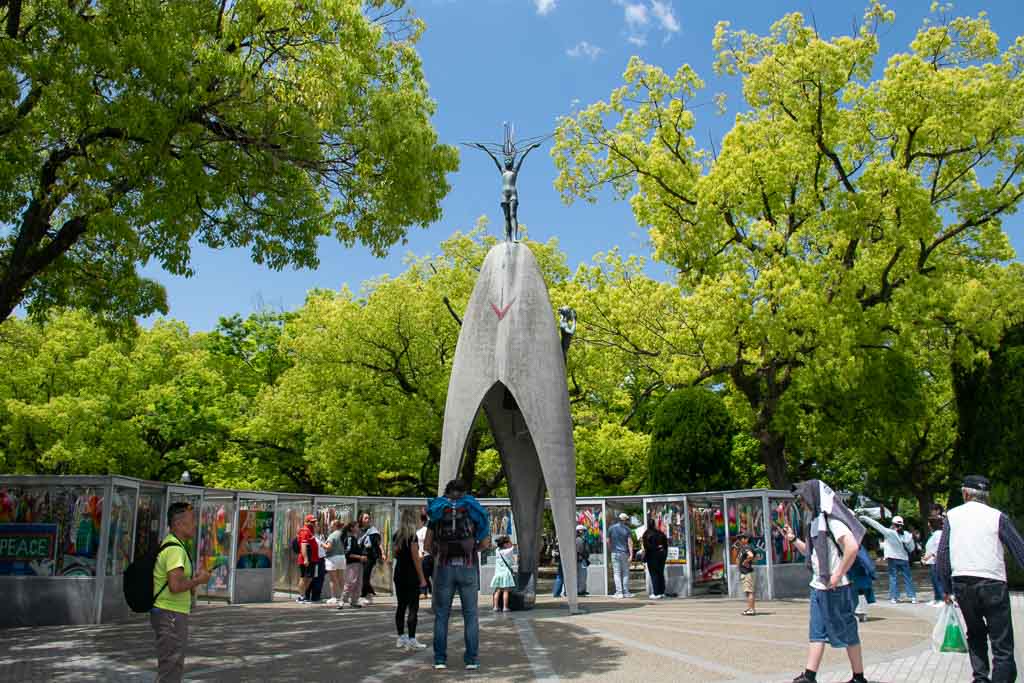
To learn about the atomic bombing, you can visit the Hiroshima National Peace Memorial Hall for the Atomic Bomb Victims, which is free to explore, and/or the Hiroshima Peace Memorial Museum.
Tickets to the Hiroshima Peace Memorial Museum are modest (200 yen), and it’s certainly the more informative attraction. However, it was so packed when I went (on a public holiday weekend) that I rushed to get out.
It’s worth allowing time to explore all of this, either on your own or on a historical walking tour. It’s sad, somber, and confronting, but it’s also important to remember and understand what happened.
But there’s more to do in Hiroshima
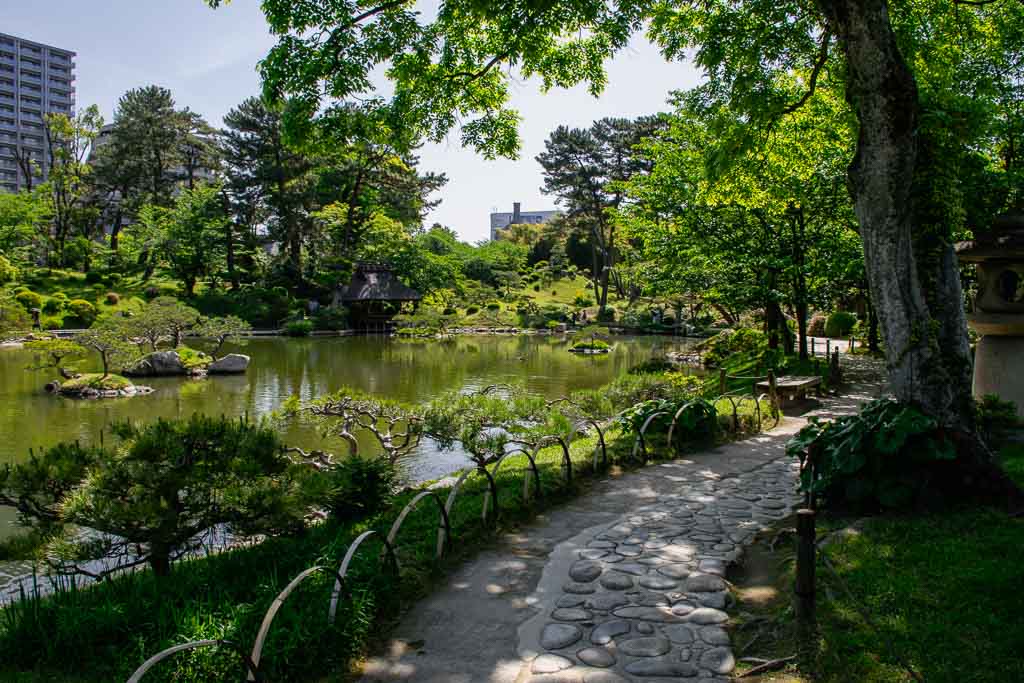
The history of the bombing makes it easy to lose sight of everything else that Hiroshima has to offer.
Because there are a lot of things to do in Hiroshima, and you don’t want them to be a rushed afterthought, or you’ll miss out.
The Hiroshima attraction most noticed after the Hiroshima Peace Memorial Park is Hiroshima Castle. This reconstructed castle is an impressive sight and sits among scenic castle grounds that are nice to walk through.
Unfortunately, public access inside the castle ends on March 22, 2026, as it’s no longer safe inside. Instead, consider a day trip to Okayama to see its quiet castle and more.
Other than the castle, there’s the beautiful Shukkeien Garden, one of the nicest gardens I’ve seen in Japan that wasn’t one of the Three Great Gardens of Japan. Tickets are 350 yen for it here.
Right next to the garden is the Hiroshima Prefectural Art Museum. I saw an excellent Dali temporary exhibition there, but its permanent collection is eclectic and enjoyable too.
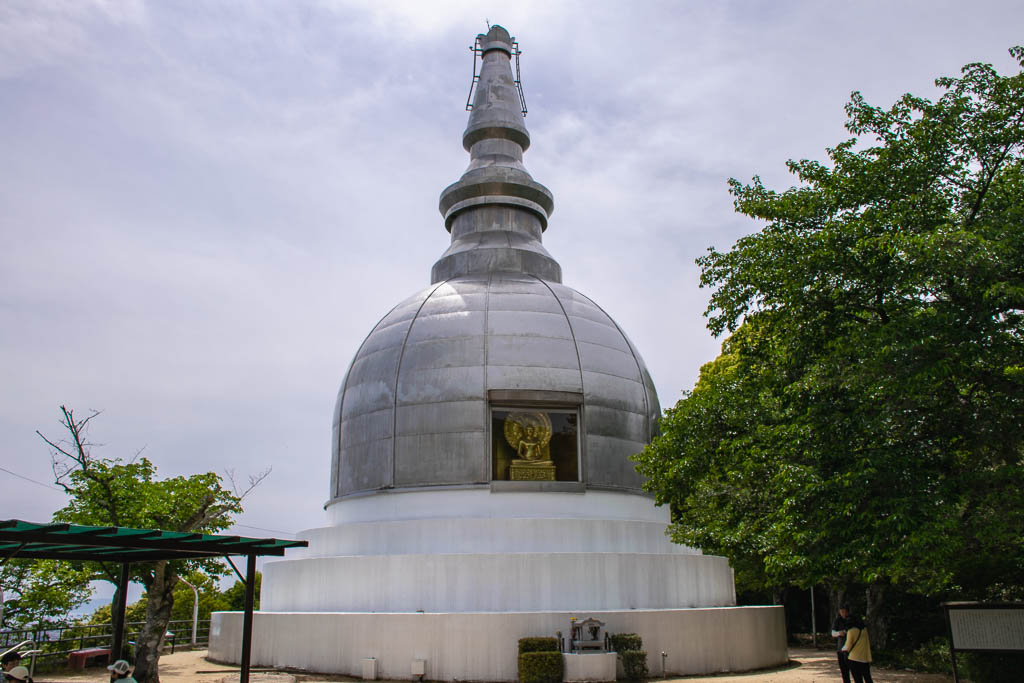
For temples and stretching your legs, look to the Hiroshima Toshogu Shrine and the Peace Pagoda. Start at the Shinto shrine, then follow a long stairway of gates up through the forest to reach the metal Peace Pagoda. There, you enjoy one of the best views in Hiroshima, a panorama that spans the city and islands of Hiroshima Bay.
With these places, and more, there’s no need to wonder what to do in Hiroshima during your visit.
Hiroshima is great for foodies

When planning to visit Hiroshima, I was unaware of the city’s status as a foodie destination. That wasn’t what I was thinking of.
The opportunity to take a food tour of Hiroshima, though, completely opened my eyes. Finding good food in Japan is easier than in many places, but what makes Hiroshima good for foodies is its strong focus on regional cuisine.
For instance, Hiroshima is known for one of the two main types of okonomiyaki, a Japanese savory pancake dish. You might have one elsewhere — Osaka is known for the other style — but in Hiroshima, there’s even a street practically dedicated to it.
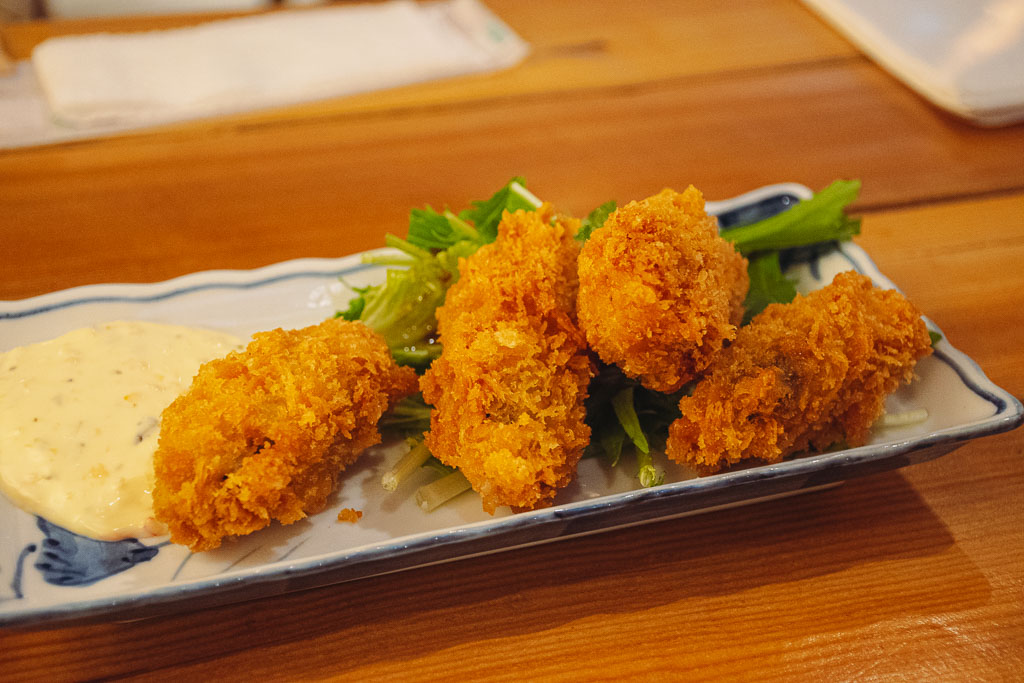
That’s just the start of the food scene here. Oysters are also a big deal in Hiroshima, as are eel, various noodle dishes, and the maple-shaped momoji cakes from Miyajima.
With a lot of ground to cover, joining a Hiroshima food tour is a fun way to get started.
Adding a Miyajima day trip
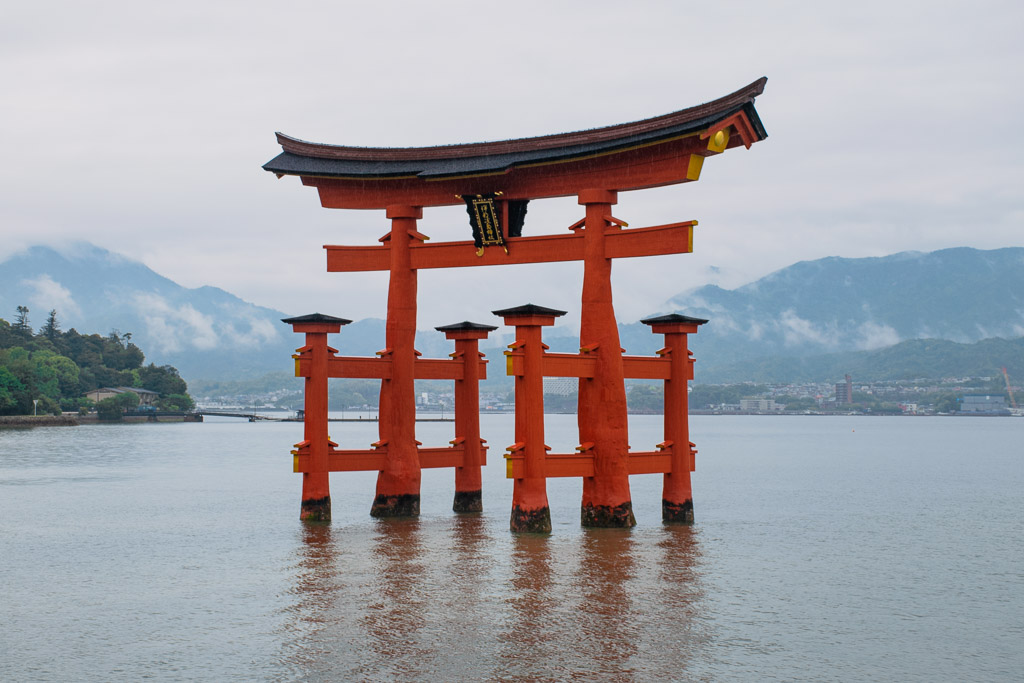
The other thing that often comes up when planning a trip to Hiroshima is the question of a day trip to Miyajima.
This island in Hiroshima Bay is one of Japan’s most iconic sights, thanks to the floating torii gate near its holy Shinto shrine, Itsukushima Jinja. There’s plenty more to see and do in Miyajima, but the main challenge is deciding whether to go and how it impacts your time in Hiroshima.
To save you some time, let me say I think it’s worth visiting Miyajima if you have the chance.
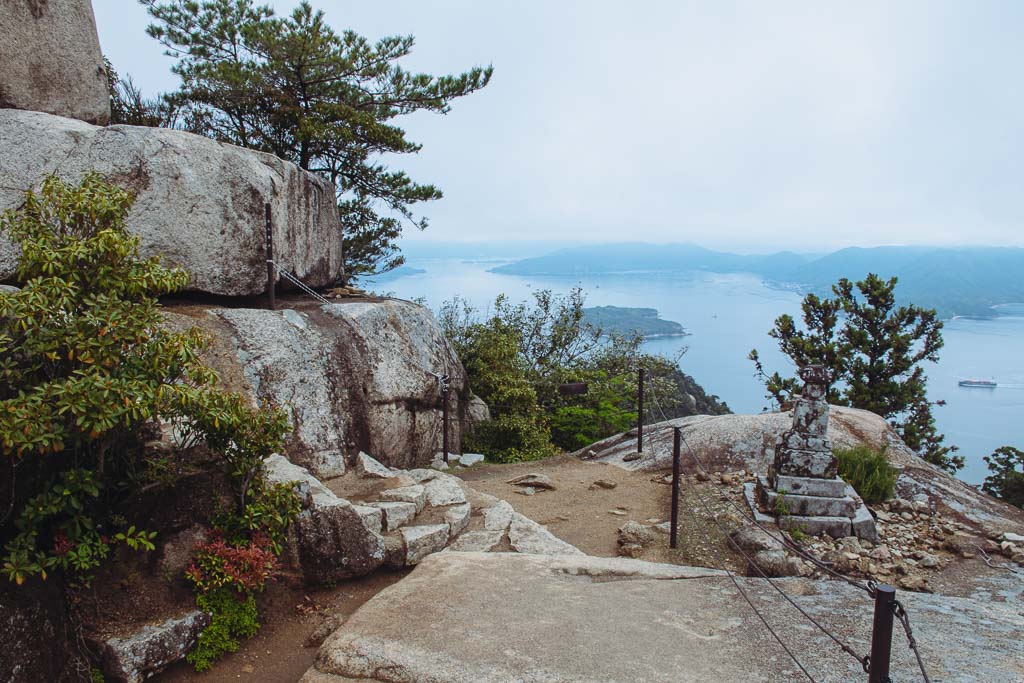
You need at least half a day in Miyajima to get there and see the main sights. If you also want to take your time or travel up to its mountaintop observatories, you need even longer, basically a full day.
With only one day in Hiroshima, fitting in Miyajima is a tough ask. You’ll see tours that offer this combination, and I think they may be the best way to fit everything in. Still, they miss out on a lot of Hiroshima.
Spend longer in Hiroshima, and it’s much easier to include Miyajima — you could even stay overnight there.
