
Disclosure: This post (probably) contains affiliate links. If you click on one, I may make a small commission. Of course, this will come at no extra cost to you and helps keep this site running.
Travellers planning a trip to South Korea might feel a little stumped once they have Seoul and Busan covered. Where else can they go that offers Korean culture, history, and scenery? Well, Jeonju. This smaller city touches on so many interesting aspects of visiting Korea with things to do in Jeonju that cover all the bases.
During the planning of my first South Korea visit, Jeonju quickly leapt out at me. I enjoy exploring old towns and once I learned of the Jeonju Hanok Village, the city had to be part of my trip. The promise of a traditional guesthouse to stay in only added to my excitement and I can tell you that Jeonju lived up to my expectations.
To show you why you should visit Jeonju and what to do there, allow me to share my experience over two days there. I think you’ll agree that all these things to do in Jeonju make it a place worth visiting.
How to get to Jeonju
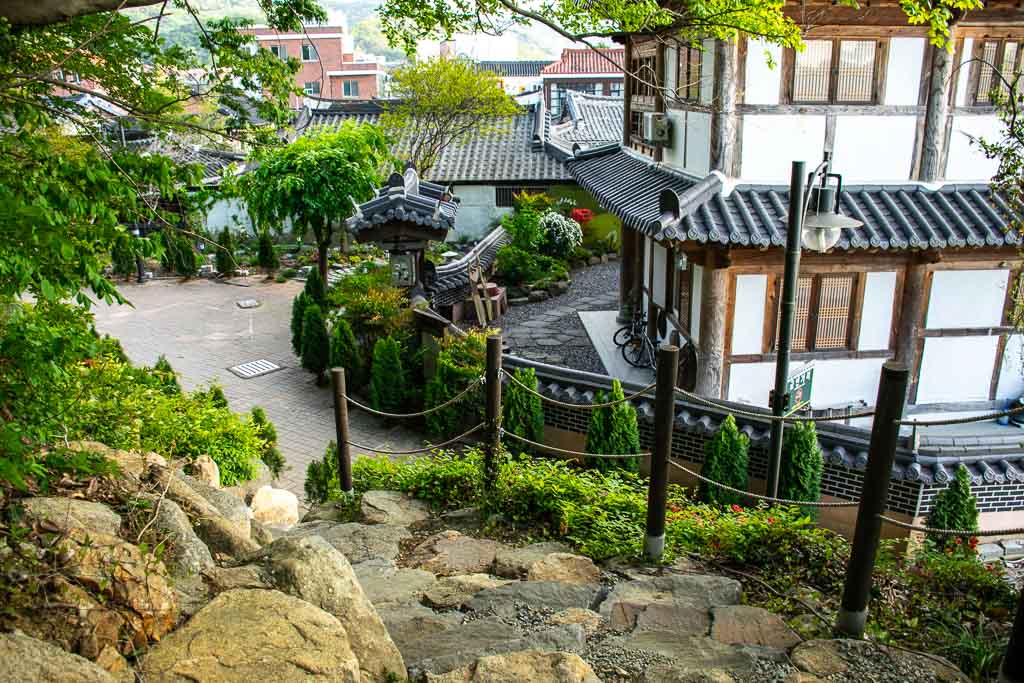
Jeonju is located in Jeollabuk-do Province in the west of South Korea. Now, you’ll most likely want to know how to get to Jeonju from Seoul or Busan, but neither city is very close.
Taking the train from Seoul to Jeonju is how I arrived in the city, and I’d say it’s the best way to get there from Seoul. However, if you’re coming from Busan, you’ll probably want to go by express bus. That’s because there are direct buses to Jeonju, but by train, you need to transfer at Sejong. Both journeys, from Seoul and Busan, are roughly 3 hours long.
When you arrive in Jeonju, both the train and bus stations are a long way from the main tourist area (and each other), the city’s historical centre. Fortunately, all you need to do is get a bus there, with it taking around 30-40 minutes from either station. You can pay with a T-money card or cash, but you should already have a T-money card if you’ve been in Seoul or Busan.
From the train station, you can take the #79, #119, #508, #536, #542, #545, #546. If you’re coming from the bus station, there are too many bus routes towards the tourist area to list, but they include #87, #89, #403, #546, and #752.
Of course, the easiest way to visit is with a guided tour from Seoul, where the day trip is taken care of for you.
Where to stay in Jeonju
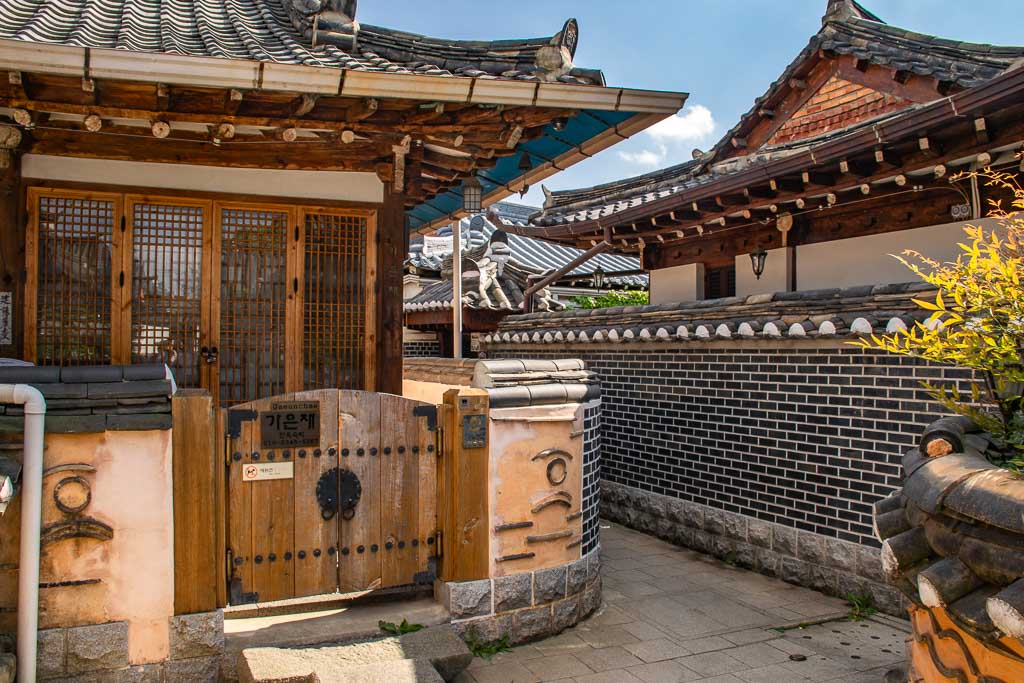
Accommodation in Jeonju is interesting as it can add a whole new experience to your visit. Rather than stay in another regular hotel, why not stay in the hanok village at a traditional guesthouse?
Many hanok houses in this part of Jeonju now serve as guesthouses for tourists to stay in. It’s a little like staying in a Ryokan in Japan but with a different focus. There are no hot springs to soak in and you’re not given old-fashioned clothes to wear. What I mean is that you’re set up in relatively traditional rooms and sleep on bedding laid out on the floor.
My stay at the guesthouse Gaeunchae in Jeonju certainly added to my visit to the city. It had a drawback or two, but overall, waking up to a small courtyard garden and walking out into a back alley among hanok, was a great way to start my day.
If that experience doesn’t appeal to you, Jeonju has lots of regular hotels to stay in as well. Modern hotels are found either around the edges of the hanok village or closer to the modern city centre.
What to eat in Jeonju
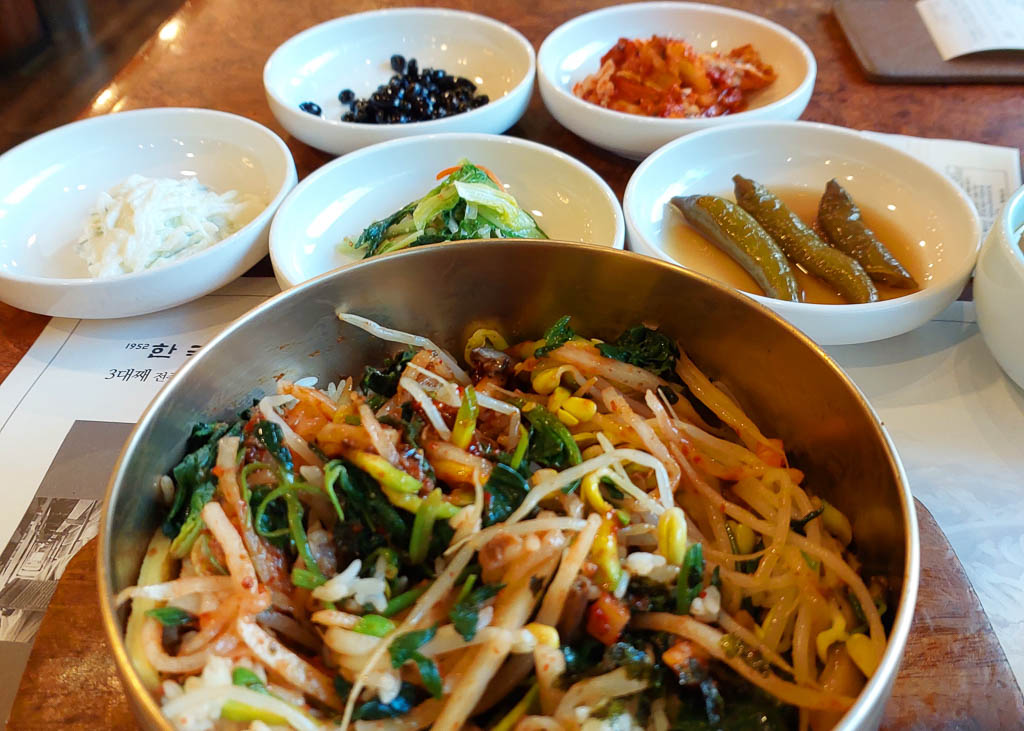
Food is a big part of experiencing South Korea and Jeonju is an easy place to try it. The city has a variety of local dishes and delicacies for you to try, including Jeonju bibimbap and choco pies.
My guesthouse provided a list of recommendations for where to eat, which worked out well when I went to dinner at the Hankookjib restaurant. Hankookjib has the honour of being the first restaurant to serve Jeonju bibimbap in 1952, but the dish is much older.
Bibimbap roughly translates to “mixing with rice” and is, in simple terms, a mixture of ingredients served with rice. Jeonju bibimbap is one of the most common versions of the dish and you can read all about the ingredients here.
Safe to say, it’s tasty and plenty spicy. To go with it, I tried makgeolli, a milky-looking Korean alcoholic beverage that is delicious.
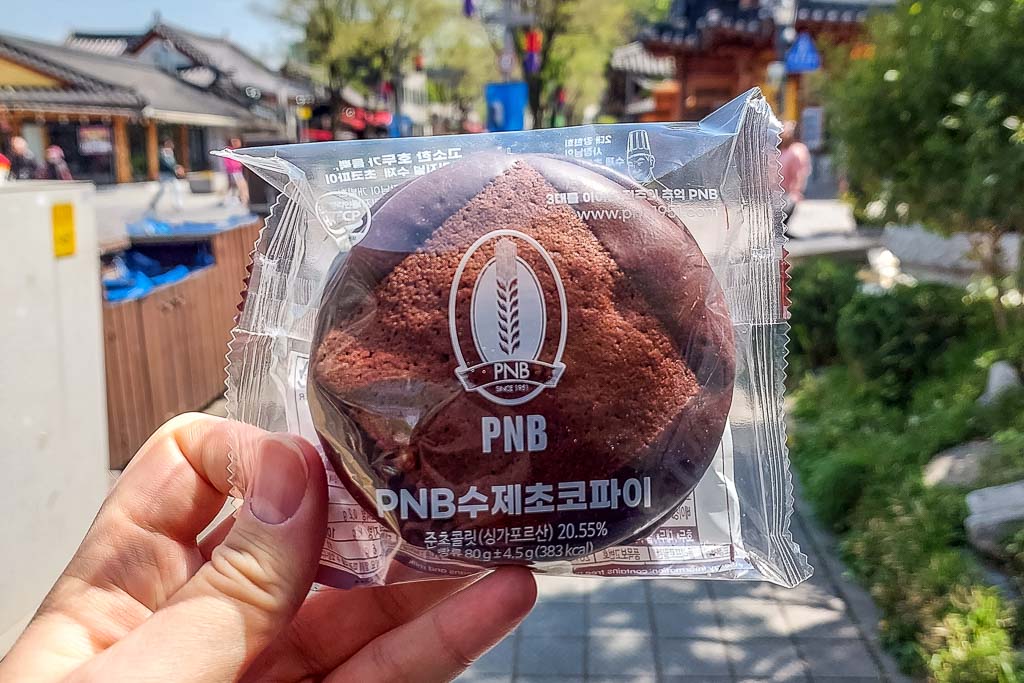
As for the choco pies, they’re a common American snack that Koreans have adopted as their own. They’re two chocolate cakes, filled with cream and jam. So many places around the hanok village were selling them that I got drawn into buying a PNB Choco Pie. And I mean just one, not the box full so many people got.
Popular Jeonju things to do
While some things such as special accommodations and local specialities are good reasons to visit Jeonju, they’re not the only reasons. Sightseeing is a big part of the city’s appeal, which brings us to the many Jeonju attractions you’ll want to see when you visit.
Jeonju Hanok Village
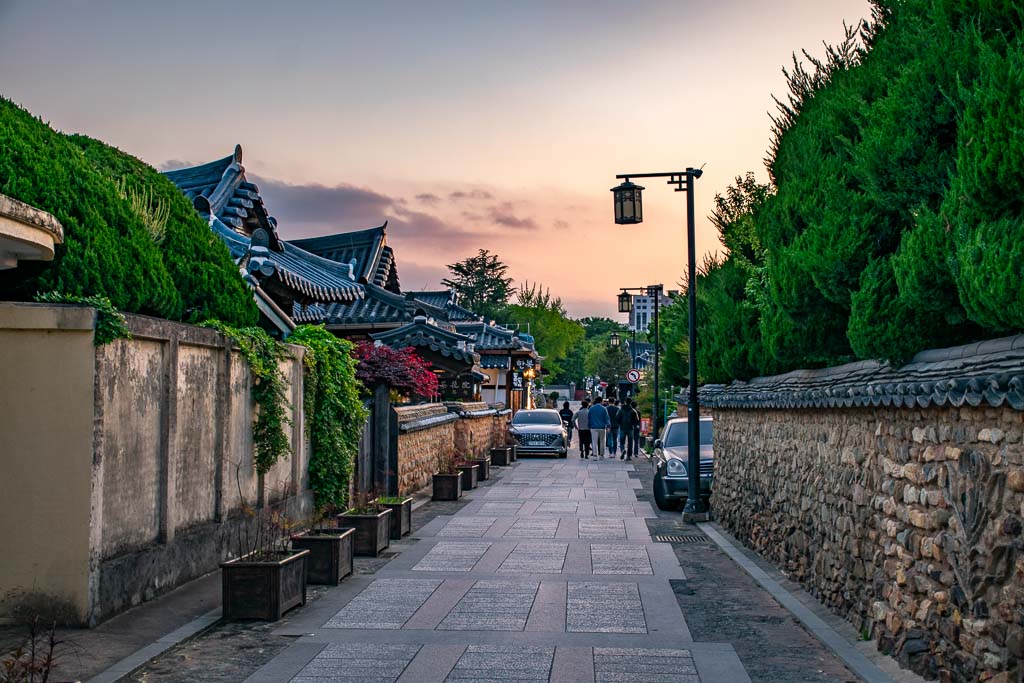
A hanok is a traditional home in South Korea and anywhere where there are clusters of these preserved homes is called a hanok village. Jeonju Hanok Village is one of the most famous hanok villages in South Korea outside Seoul, both for being the largest one in the country, and also for how picturesque it is.
This is the historical centre for Jeonju and the area has a history stretching back at least 500 years. 700 traditional Korean houses fill the streets and back alleys of the Jeonju Hanok Village. The hanok don’t just serve as guesthouses, you’ll also find them as restaurants, libraries, cultural centres, and much more.
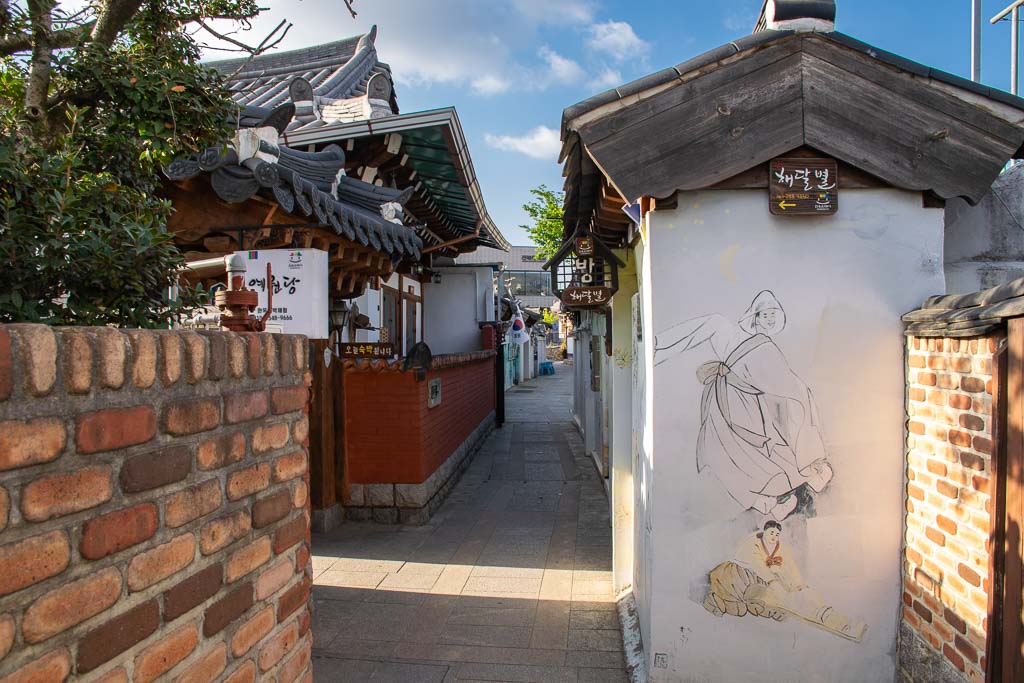
Much of the fun of visiting Jeonju is simply walking around the hanok village. The side alleys that weave between the homes rarely go in a straight line, and you find all sorts of things along them. Flags, street art, and lovely gardens make it a real joy to explore. Some houses even have information boards allowing you to read about their story.
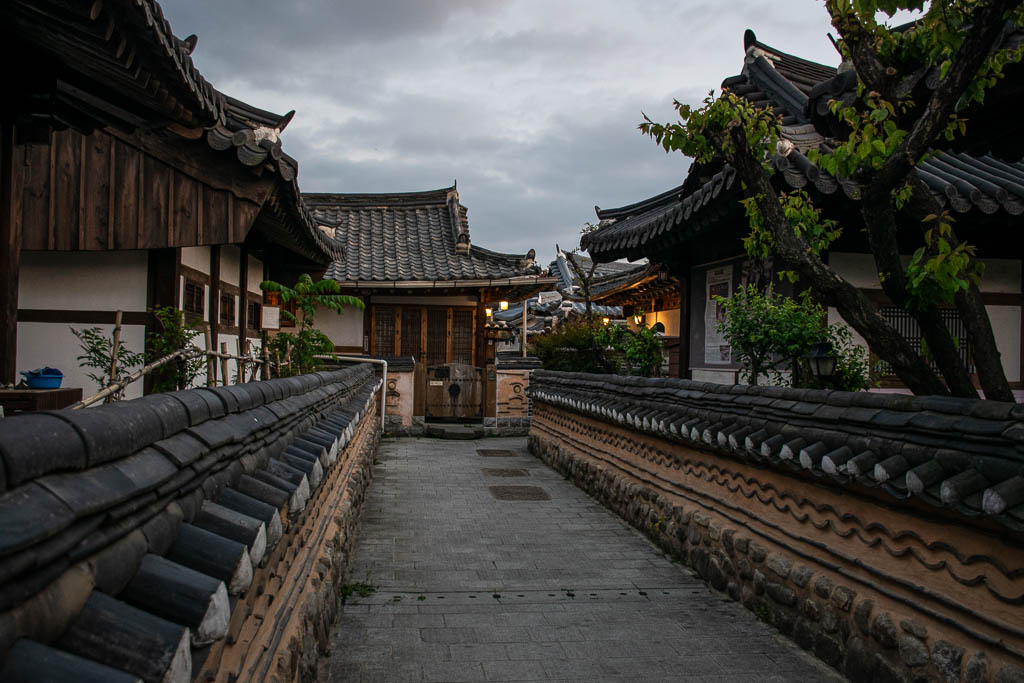
You’ll most likely explore the hanok village during the day, but it’s a good idea to also go before or after dinner. It feels like the alleys take you even farther back in the past at dusk and in the evening.
There are no street lights and the neighbourhood gets quieter, meaning you can hear the everyday sounds of local life much easier. This kind of experience is why I think you need to stay overnight in Jeonju.
Omokdae viewpoint
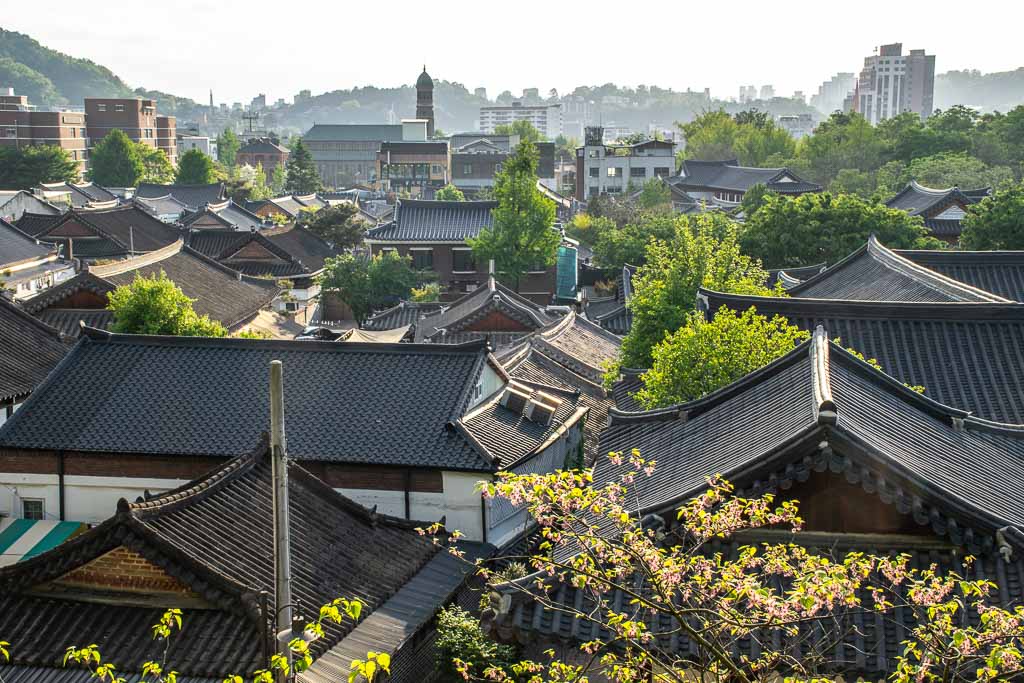
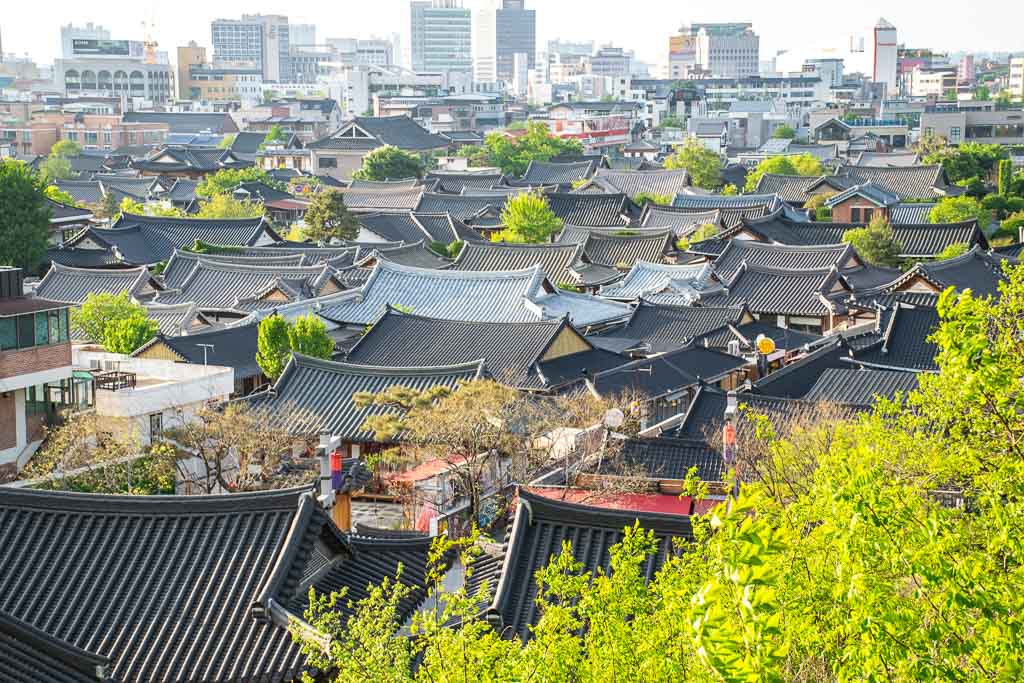
Walk around Jeonju Hanok Village and you’re bound to notice a nearby hill covered in trees. This is the historic site of Omokdae, but to most visitors to the city, it’s the best lookout in the city. From the hanok village, it’s an easy walk up the hill, but you don’t even need to go all the way to the top for views.
From the viewpoints here, you can look out over the historical centre of the city. You do lose some of the details from the village that you see at street level. Still, looking out over a sea of traditional rooftops with their curved ridges creates a powerful cityscape to admire.
Eunhaeng-ro Street
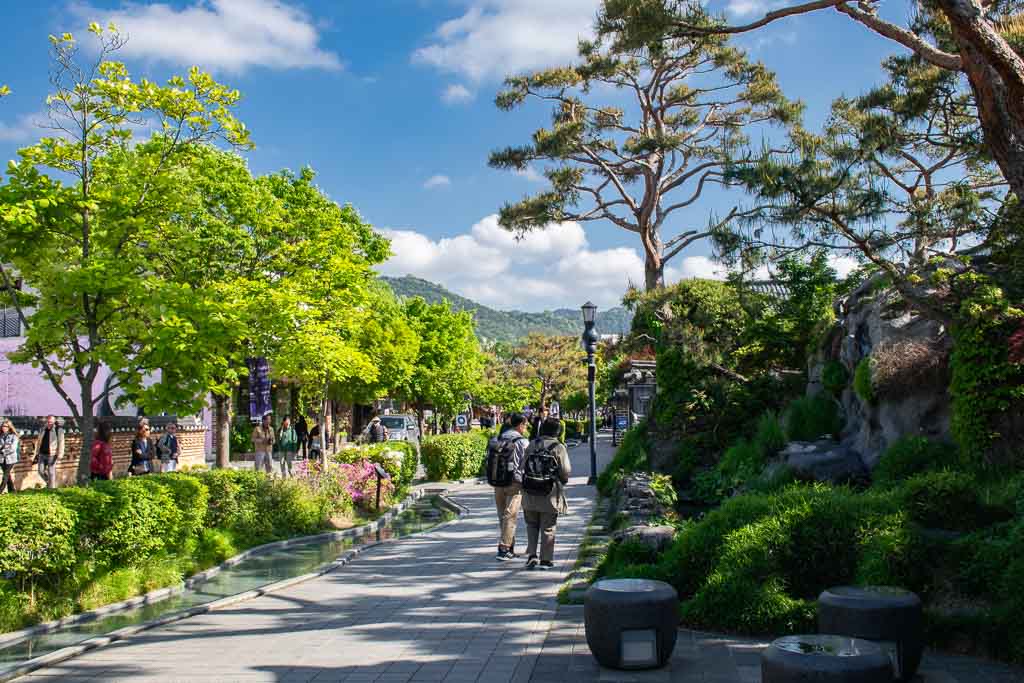
While walking around the historical centre of Jeonju, there’s no way you’re going to miss Eunhaeng-ro Street. This is one of the main streets through this part of the city and usually has a constant stream of people passing through.
You’ll know when you’re on it when you see water features and rock gardens alongside its winding pedestrian path. This is the most touristy part of Jeonju, with lots of couples coming through, and it seems to be aimed at appealing to domestic tourists.
I understand the importance of tourism here, but for me at least, this modern, developed street does take away from the atmosphere of the hanok village. That said, it does still have hanok along it, in the form of stylish restaurants and cute cafes.
Gyeonggijeon Shrine
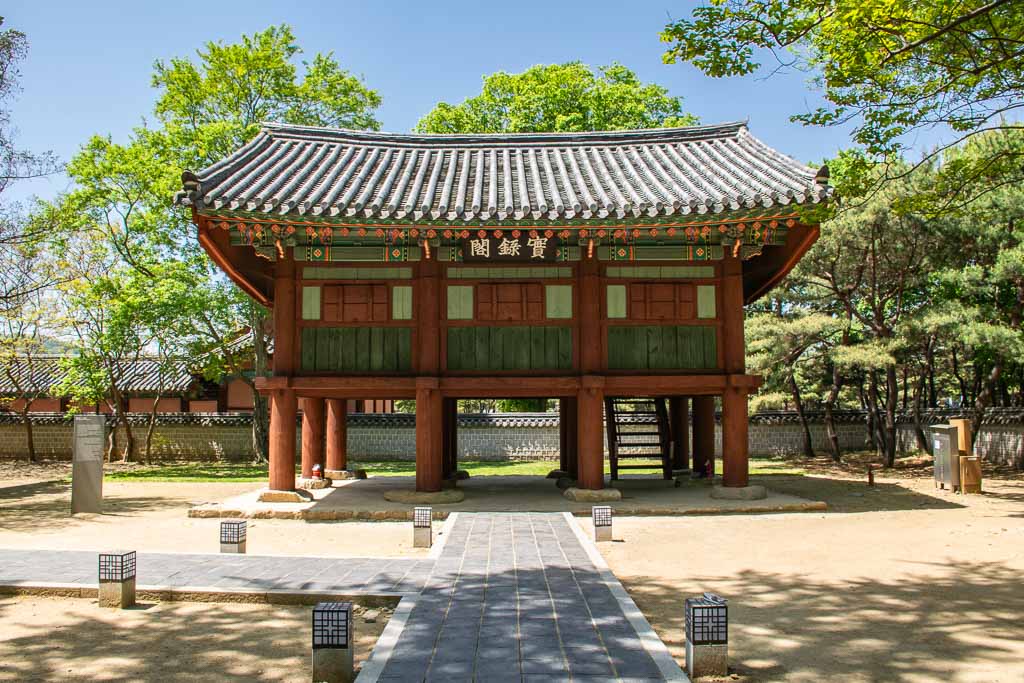
In terms of the one main attraction of Jeonju, it probably has to be the Gyeonggijeon Shrine. With its long history and large footprint in the Jeonju historical centre, Gyeonggijeon Shrine has had a large effect on the city. Even just visually, it’s hard to miss, with its high walls and tall trees right in the area of the hanok village.
Gyeonggijeon was built in 1410 as a shrine to King Taejo, the founder of the Joseon Dynasty. A portrait of the king lies inside the main hall of the complex. In fitting with this, the complex is home to the Royal Portrait Museum, but this was closed for renovations during my visit.
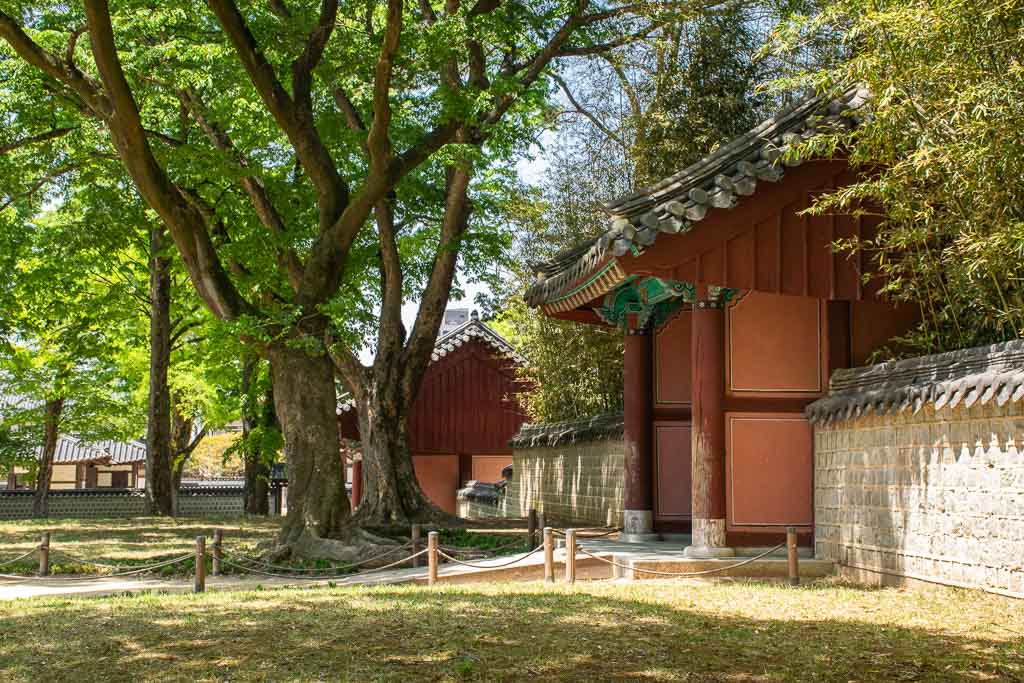
Around the complex, there are other shrines, housing, and markers. One that stands out is the Jeonju History Archive, which is elevated off the ground. With books crucial to national history, you’d want it higher up in case of flooding I suppose.
The grounds of Gyeonggijeon are relatively large, with little bamboo forests around some of the central areas. It’s a popular place for couples to get photos and I saw several here in traditional Korean clothes known as hanbok, which you can easily rent.
Pungnammun Gate

While walking near several of the main attractions in Jeonju, something caught my eye up ahead. It was a large tower behind high stone walls, sitting right in the middle of a roundabout.
I’d found my way to the Pungnammun Gate, which once marked the southern entrance to the city. While it may not be as impressive as the huge gates in Seoul, it is the last remaining gate of Jeonju.
The area north of the gate has a few interesting heritage landmarks to explore. They include the Hanok Cafe Haengwon and some buildings that used to be public pawnshops from the early 20th century.
Jeolla Gamyoung
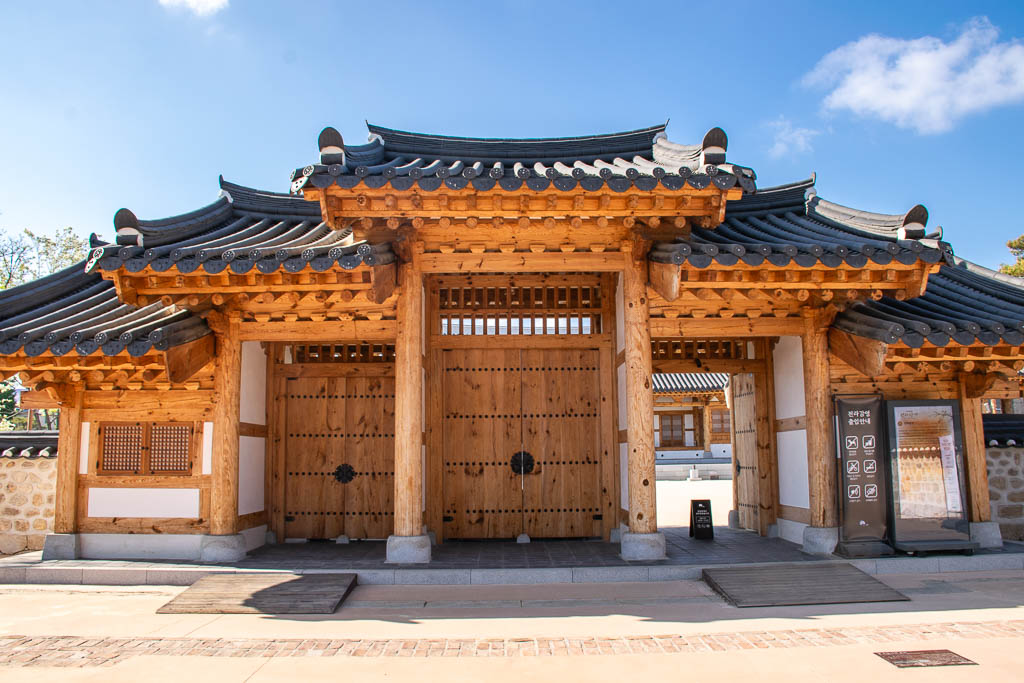
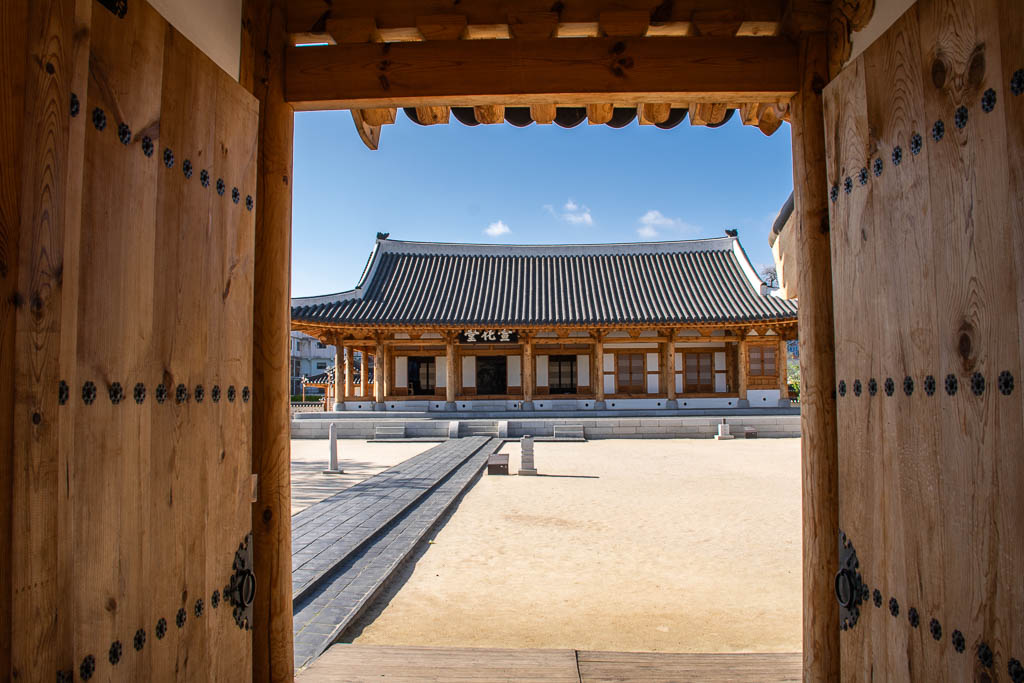
While it’s always nice to see original historic sites, sometimes that’s not always possible. That’s the case with the Jeolla Gamyoung, the former government complex that administered Jeolla, a historical province under the Joseon Dynasty.
The Korean War destroyed the buildings in the complex, but in 2020, a smaller recreation of the complex was opened to the public. Buildings and pavilions here have been faithfully restored, so you’re still able to get a sense of how they were built and furnished.
With free entry and few people about, it’s worth a visit if you haven’t seen inside historical Korean buildings before.
Namcheongyo Bridge
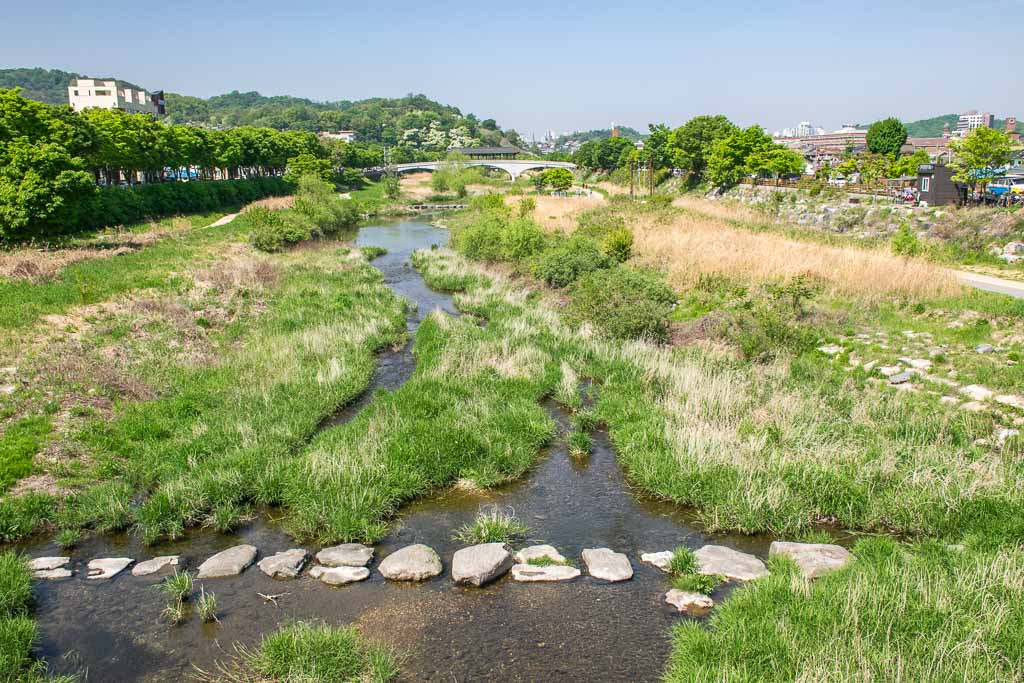
Along the south side of the hanok village, you’ll find the city’s riverfront. Here, the Jeonjucheon River lightly flows through very grassy riverbanks and it’s not the untamed river scenery you might expect to see.
Many bridges cross the river, but I think the most interesting is the Namcheongyo Bridge. That’s because on this bridge you’ll see a traditional Korean tower called Cheongyeonru. It’s a bit like a pavilion and you’ll find people sitting in its shade, socializing and taking a break. If you decide to walk inside it, remember to slip your shoes off first.
National Intangible Heritage Center
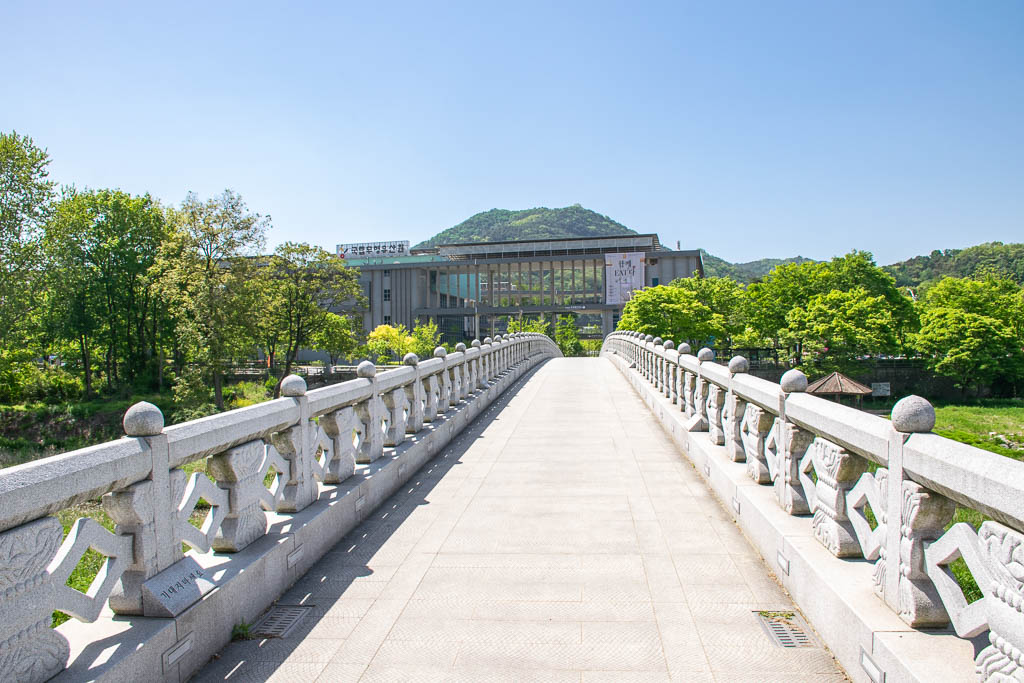
Across the Omoggyo Bridge from Jeonju Hanok Village is the National Intangible Heritage Center. This museum and organization is focused on preserving Korea’s heritage, especially intangible things like culture, customs, and artistic techniques.
You can visit the museum for free and explore its permanent exhibitions on various aspects of Korean culture. Just two days earlier I had been at the National Folk Museum of Korea in Seoul, which covers similar ground. This meant that I cut my visit here short after I saw multiple school groups inside.
Jeonju Hyanggyo
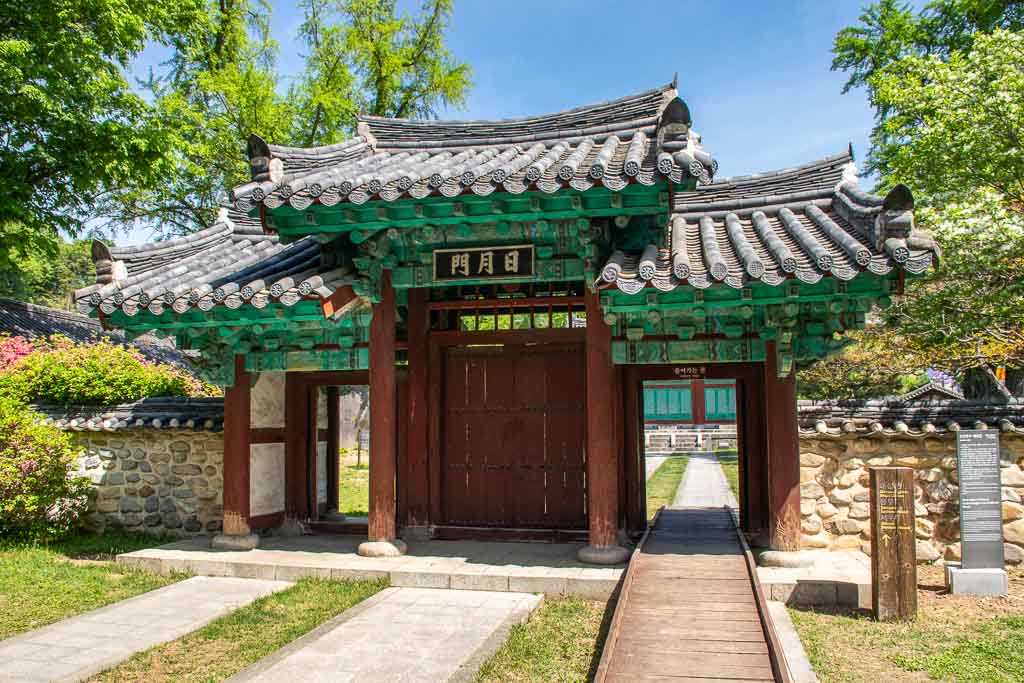
Having visited several shrines around Jeonju, you might mistake Jeonju Hyanggyo as just another one at first glance. But this was a Confucian School (hyanggyo) and was a national education centre during the Joseon Dynasty.
The school was relocated from the Gyeonggijeon Shrine in 1603. A family event was taking place when I stopped by here, so I don’t know if I’d spent longer here I would have gained a deeper appreciation for it.
Jaman Mural Village

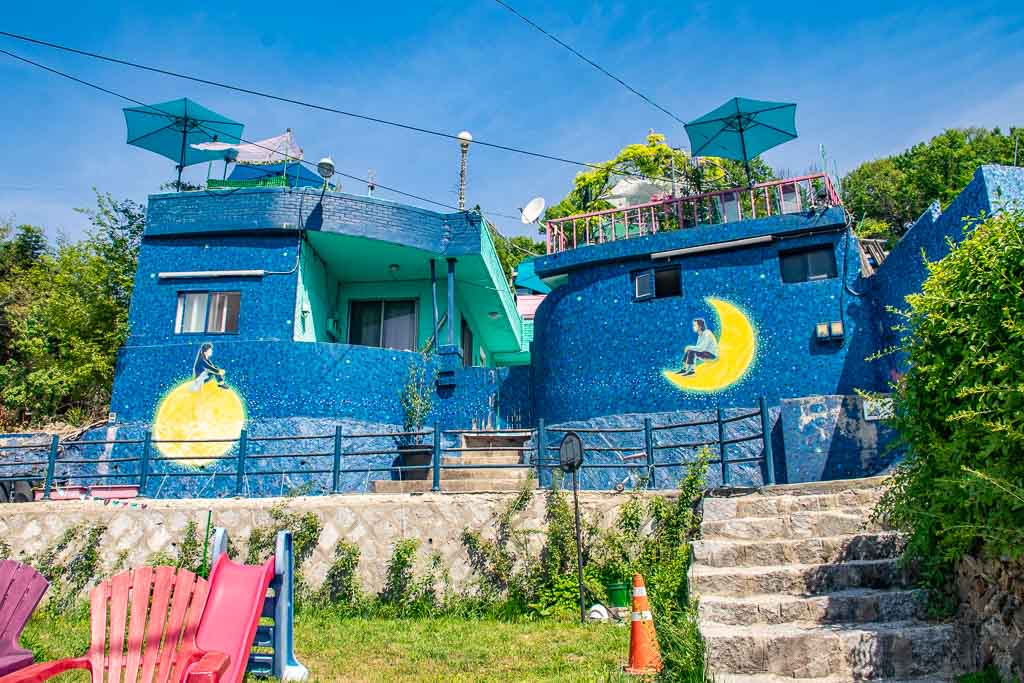
Stepping away from the hanok village, one of the best places to visit in Jeonju is the Jaman Mural Village. Based on the name, you can probably guess the appeal of this local attraction.
Murals across walls and buildings have transformed what was a poor village in Jeonju into a tourist attraction. The murals here are very colourful and cartoonish, appealing just as much to Korean tourists as to foreigners. You’ll find several cafes along its pedestrian streets, but it’s mostly a residential area, so remember to be respectful to the people who live here.
Other places to visit in Jeonju
Eager travellers will be glad to hear there are even more places to visit around Jeonju. Not all of them will appeal to you or you’ll run out of time, but I’ll quickly mention a few here:
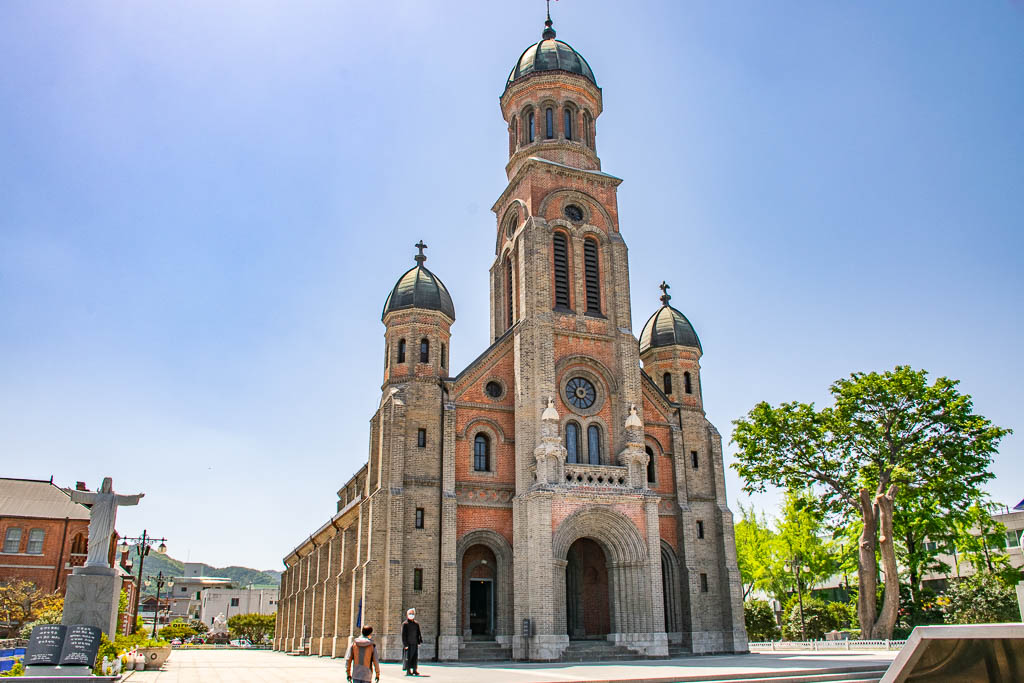
- Jeondong Cathedral stands out among the city’s shrines. It’s over 100 years old and regularly gets pointed out to Westerners.
- Jeonju Nanjang is a “nostalgia” theme park, with props and sets from past decades, that seems much more aimed at Korean tourists who can understand the references.
- Donggosanseong Fortress is a hilltop viewpoint with ruins that I simply didn’t have the time or effort to hike up to.
Is Jeonju worth visiting?
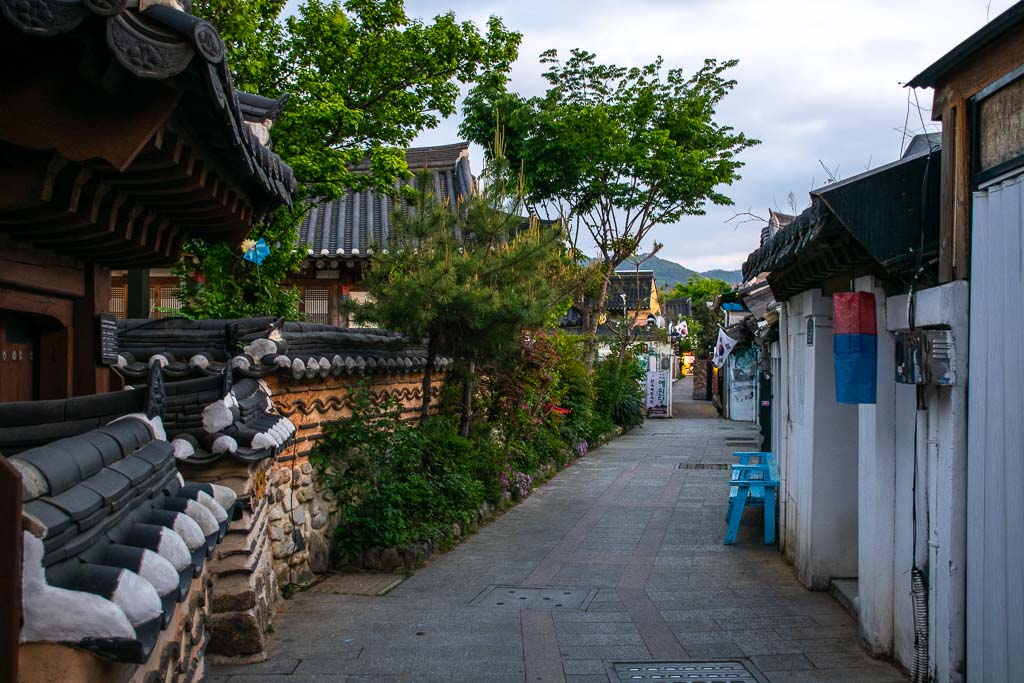
At this stage, the answer to that should be clear. Jeonju is well worth visiting if you like traditional settings, food, history, and culture. While I enjoyed having two days in the city, don’t use time constraints as an excuse to skip it. One day in Jeonju lets you at least see the highlights and enjoy its charm.
Have you been to or wanted to visit Jeonju? Which of these things to do in Jeonju sounds the most interesting to you? Please share your thoughts in the comments below.
