Disclosure: This post (probably) contains affiliate links. If you click on one, I may make a small commission. Of course, this will come at no extra cost to you and helps keep this site running.
Japan is full of smaller cities that often go unnoticed by international visitors, as they bounce between its famous large ones like Tokyo and Kyoto. But Okayama is the perfect example of a less well-known city with a lot going on.
Tourists may not realise, but they often pass through Okayama on their travels around Japan. Discover the different things to do in Okayama, plus some of the quick day trips from Okayama, and you’ll see why stopping here is in your best interest.
Is Okayama worth visiting?
Before getting to which Okayama attractions to visit, it’s probably helpful to know why you should visit Okayama in the first place.
It’s not one of Japan’s most famous destinations, so you likely want to know what makes it interesting or suitable. The simple answer is that Okayama is a place you might already be passing through without realising, and its quieter vibe and cultural attractions make it a refreshing break from hectic city travel.
You might pass Okayama when traveling between Osaka and Hiroshima by train, so it’s only a minor disruption to stop here. Despite its convenient location, it’s not that popular with international tourists, as I experienced during my early May visit when other cities were heaving with people.
What really makes Okayama worthwhile is that it offers beautiful scenery tied to cultural landmarks, plus easy access to several more popular attractions in the wider prefecture, such as Kurashiki, which you can read more about below.
If you’re curious about Honshu’s smaller cities, Okayama is a great pick to add to your itinerary.
How to get to Okayama
Okayama is located in the western region of Chugoku, a little inland from the coast.
It sits roughly halfway between Osaka and Hiroshima, and is also near one of the main bridges to the island of Shikoku. Most travelers will take a train from Osaka or Hiroshima to Okayama, but you can also use trains to get from Shikoku.
Traveling from Osaka to Okayama takes less than an hour thanks to the bullet trains on the Sanyo Shinkansen route, while Hiroshima is only another 35 minutes away. This is a major train route, so book tickets and seats in advance. The Seto-Ohashi Line connects Takamatsu on Shikoku with Okayama in just under an hour.
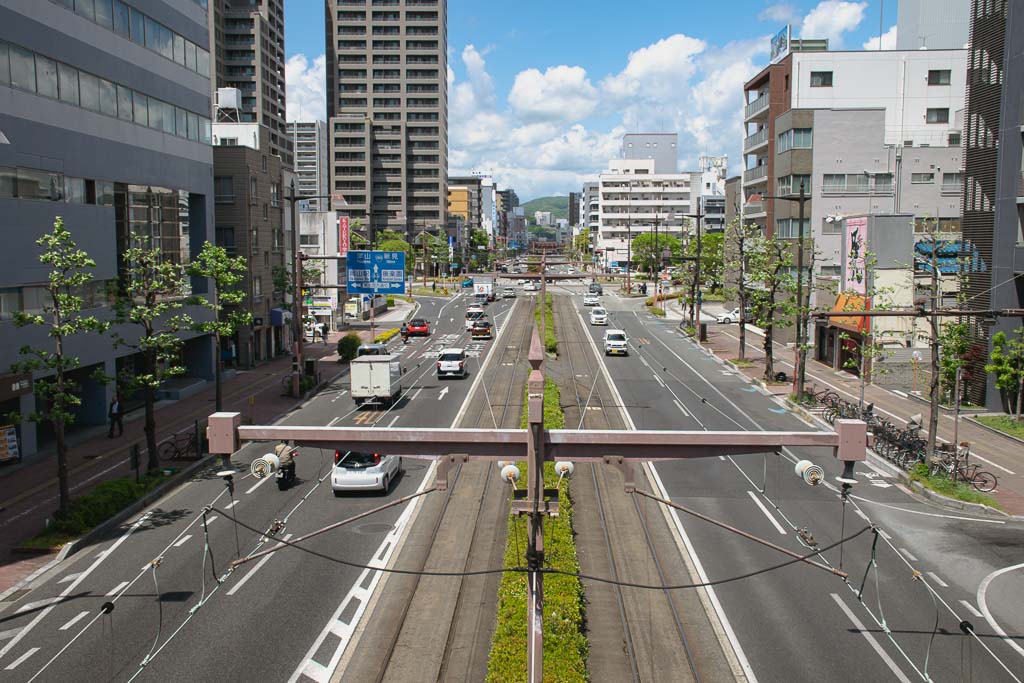
Local trains are the easiest way to explore the attractions outside the city, which we’ll get to later. As for getting around Okayama itself, the local tram network is super useful and can be paid for with an IC card.
If you’re planning a lot of train travel in this region, picking up a JR Setouchi Area Pass may save you money.
Where to stay in Okayama
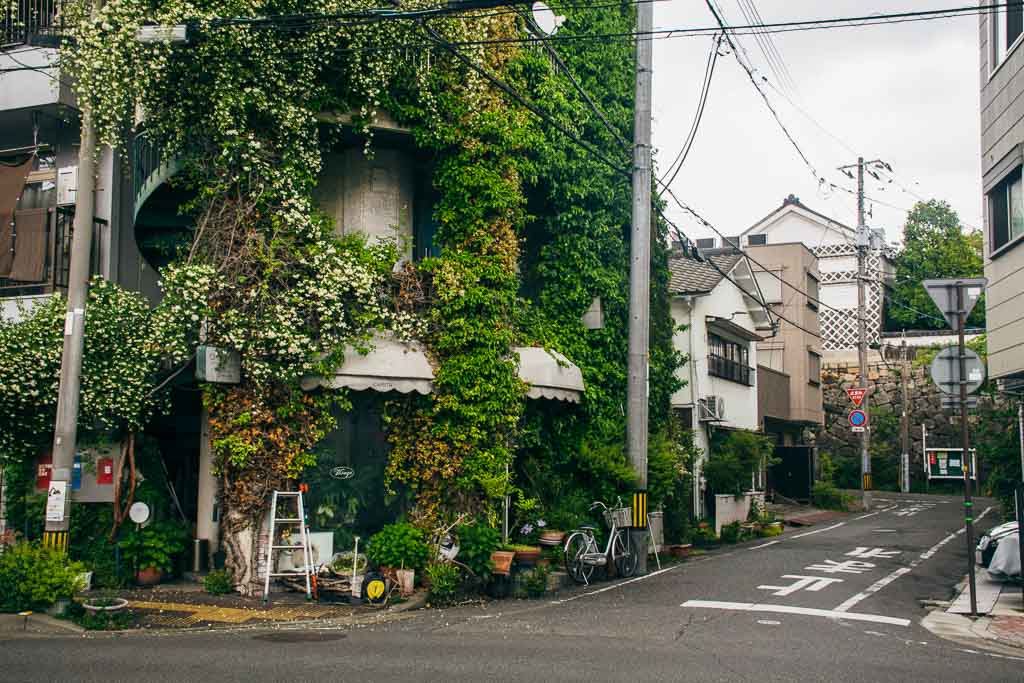
Thanks to its medium size and relative level of tourist interest, Okayama offers a fair selection of places to stay.
Most hotels in Okayama fall into the 3- to 4-star range, suitable for business travelers, and mostly found within a block or two of Okayama Station.
This is convenient for visitors who want to go places like Kurashiki or don’t want to go far with heavy luggage. The only real downside is that there aren’t many attractions close by.
Hotel Trend Okayama-Ekimae, where I stayed, is one of these hotels near the station. It’s quite a standard 3-star hotel, providing all the essentials with no frills. However, the staff here were really quite friendly and helpful.
For more hotel options in Okayama, look at these highly-rated places to stay:
Okayama attractions to visit
With the logistics of your visit easily taken care of, let’s get to what to do at Okayama to make it worth visiting. Now, Okayama isn’t as large a destination as Kyoto or Osaka, and even somewhere like Takayama has more to do.
But you’ll see that there are enough attractions in Okayama for at least one day there. Below are what I would start with when visiting Okayama to make it a good stop on your Japan itinerary.
Okayama Castle

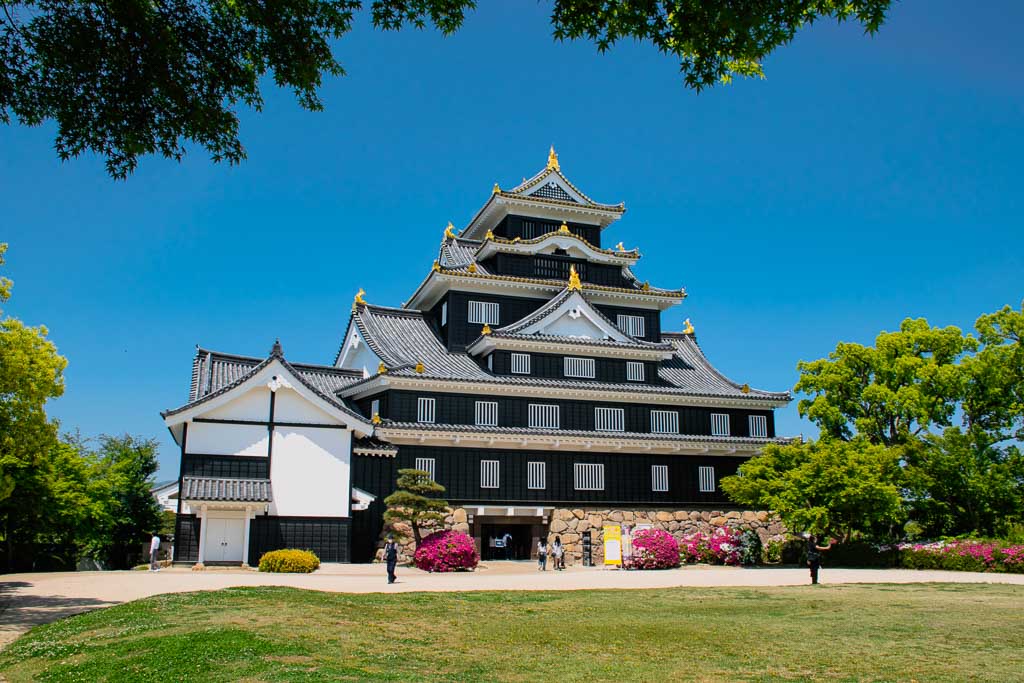
The Asahi River carves through the city of Okayama, and it provides the perfect backdrop for Okayama Castle.
Visiting the castle is one of the best things to do in Okayama, thanks to its towering black keep. It’s a modern recreation following the bombing of WWII, but the castle dates back to 1597.
The castle keep hosts a small museum with armor and other regional artifacts, while its sixth floor provides the usual observation deck over the city.
Climbing up the castle keep, exhibits take you through decisive eras in the history of Okayama and the castle, from information on Ukita Hideie, the lord responsible for building the castle, to the Sengoku Period and the Battle of Sekigahara. Touring the castle starts with an elevator to the top floor, and then you visit the exhibits as you go down.

You can freely explore the castle gates and grounds, but entry to the castle starts from only 400 yen. Get your castle ticket in advance to streamline the start of your visit.
As for views of the castle, I suggest exploring the riverfront area, with the Yuejian Bridge offering a great angle. While exploring the area, you’ll see that fortified walls extend away from Okayama Castle and also pop up in the surrounding Marunouchi neighbourhood.
Okayama Korakuen
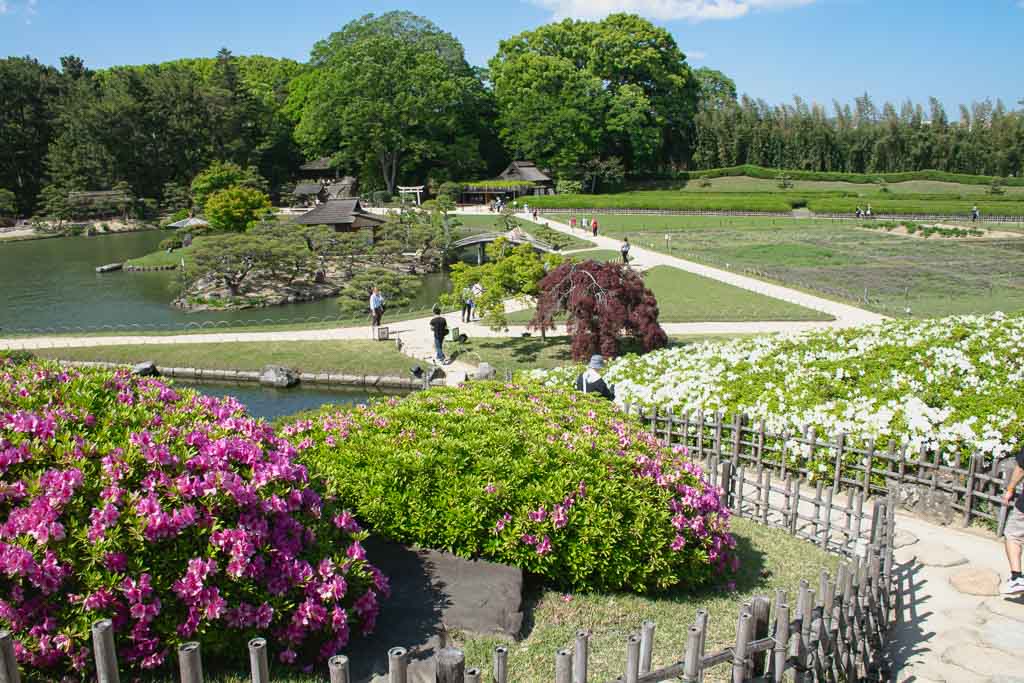
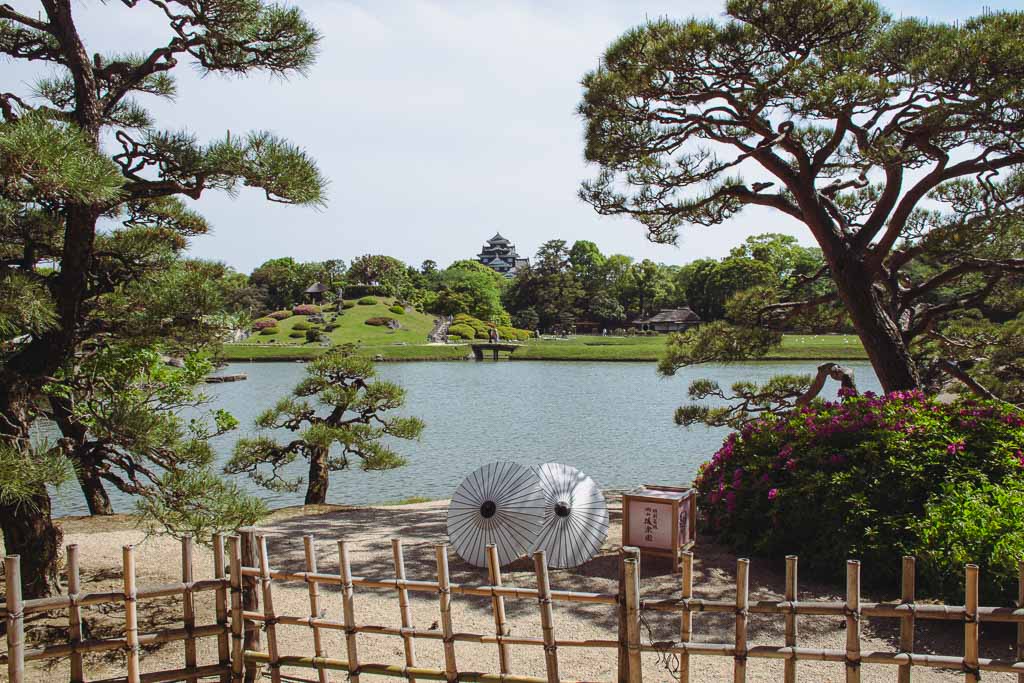
Across the river lies possibly an even more important attraction, the Korakuen Garden in Okayama.
That’s because the Korakuen is one of the Three Great Gardens of Japan. Alongside the Kenrokuen Garden in Kanazawa, this is considered one of the finest landscape gardens in Japan, which is high praise given how many Japanese gardens you come across around the country.
The history of Korakuen Garden is tied to Okayama Castle, as it was lord Ikeda Tsunamasa who created it from 1687 to 1700. Aside from a few changes from his successors, the garden remains as it was 300 years ago.
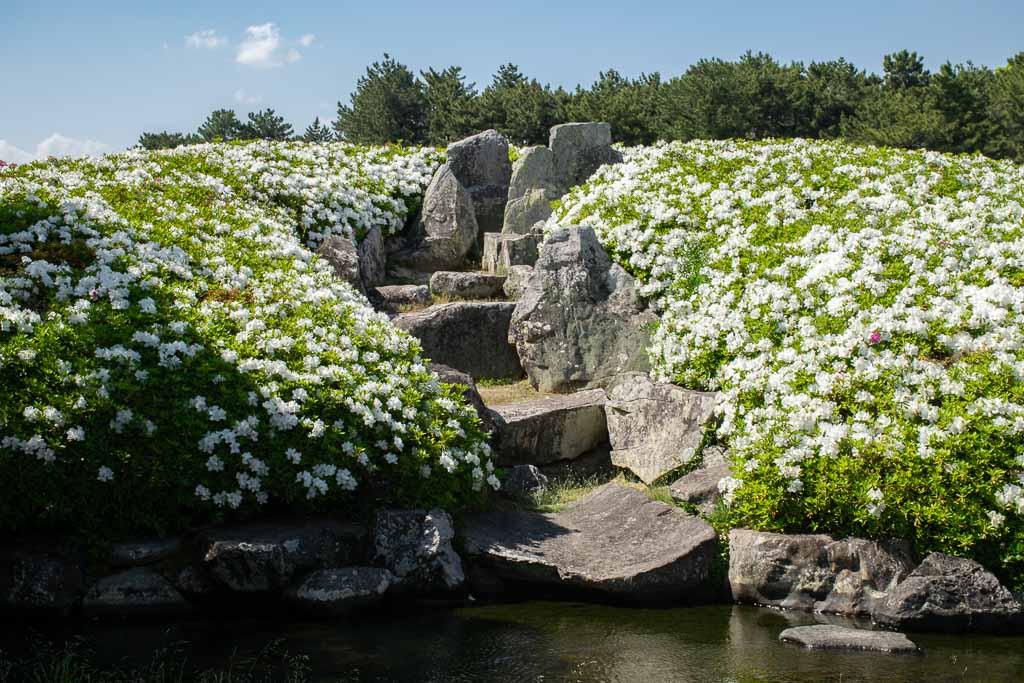
Korakuen Garden is surprisingly large, and you can easily spend an hour exploring and taking photos.
It has different zones, from the rest houses by the lake to a teahouse by a separate pond, sculpted hills with views across the garden, and groves of cherry and plum trees waiting to bloom. Not that you need to visit in spring, as it’s designed to shine in all seasons.
Visiting Korakuen Garden should impress even people with no appreciation for gardening, and I see why it’s so highly praised. Entry to the gardens is 500 yen, but you can save money with a combined ticket for Korakuen Garden and Okayama Castle.
Ride the tram
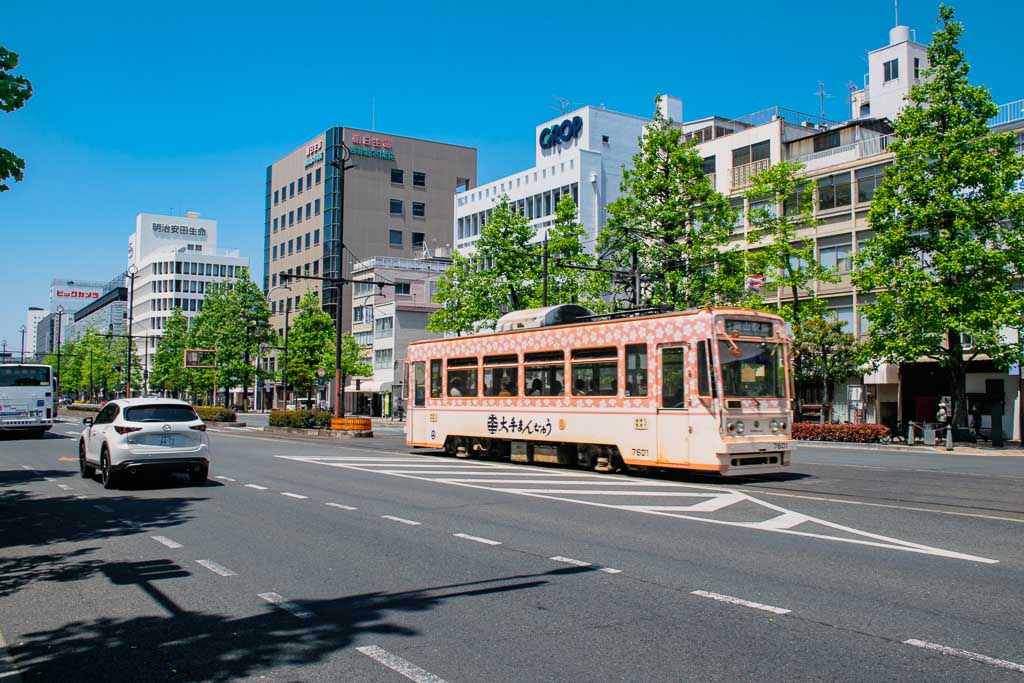
As someone who lives in a city with trams, taking one isn’t much of a novelty. But if you’re not used to them, riding the Okayama Electric Tramway is a fun way for visitors to see the city.
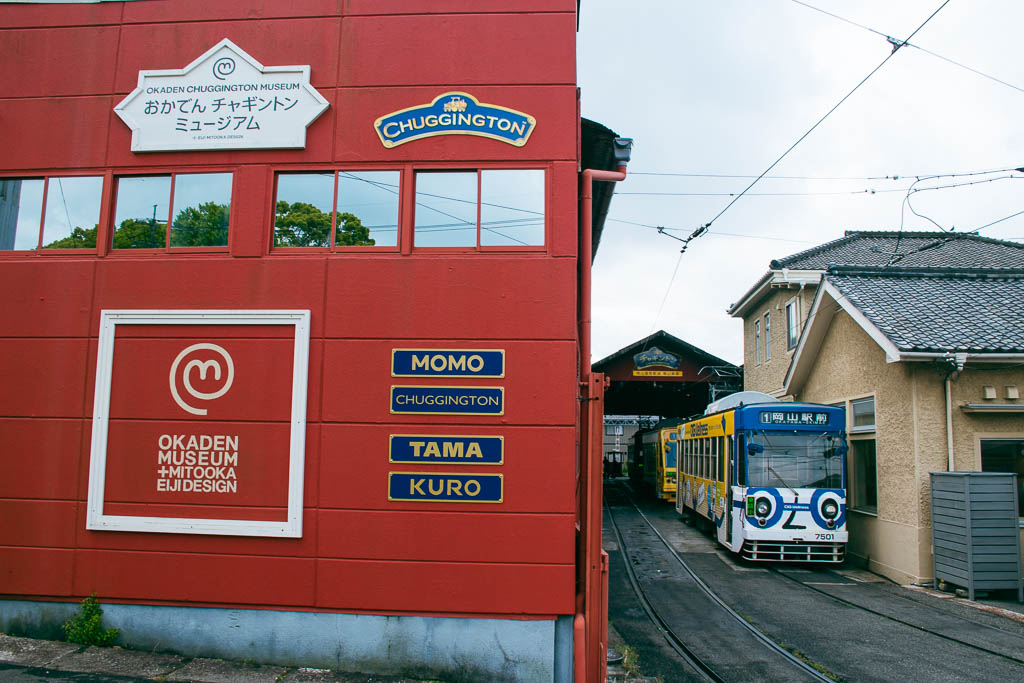
Trams have graced the city’s streets since 1912, and there were signs proudly recognizing their long history. The city has a mix of older and modern streetcars, plus special kid-themed streetcars based on the British kids’ show “Chuddington”.
To explore all of these elements, ride the Higashiyama tram to the Okaden Rail Museum, an attraction aimed at kids. Otherwise, use the trams to get around Okayama and enjoy their quaint way of getting about the city.
Okayama Prefectural Museum of Art
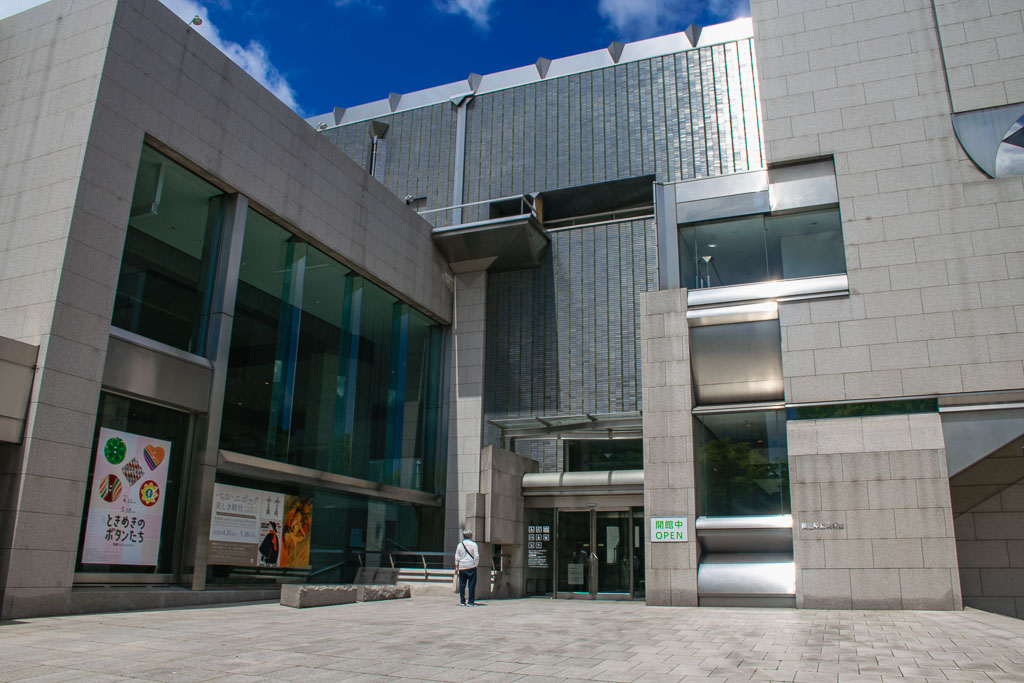
Two art museums call Downtown Okayama home: the Okayama Prefectural Museum of Art and the Okayama Orient Museum.
I decided one was enough for me and chose the Okayama Prefectural Museum of Art, but I can’t say whether I chose well or not. It seems this museum is most famous for the temporary exhibitions it regularly holds.
Temporary exhibitions cost quite a bit more than the regular admission, so it’s up to you and your interest in their special thematic exhibition. The permanent collection isn’t large and is mostly comprised of artwork connected to the prefecture. I did see some smaller temporary exhibits as part of my general visit, including an ornate button collection by Léa Stein and a calligraphy display, both without much English explanation.
This won’t be a major thing to do in the city, but it’s worth seeing which temporary exhibition is on, as that could make visiting very enticing. As for the Okayama Orient Museum, its focus on the Middle East is unexpected, but it’s seemingly well-liked and not too expensive to visit.
Tamaigu-Toshogu Temple
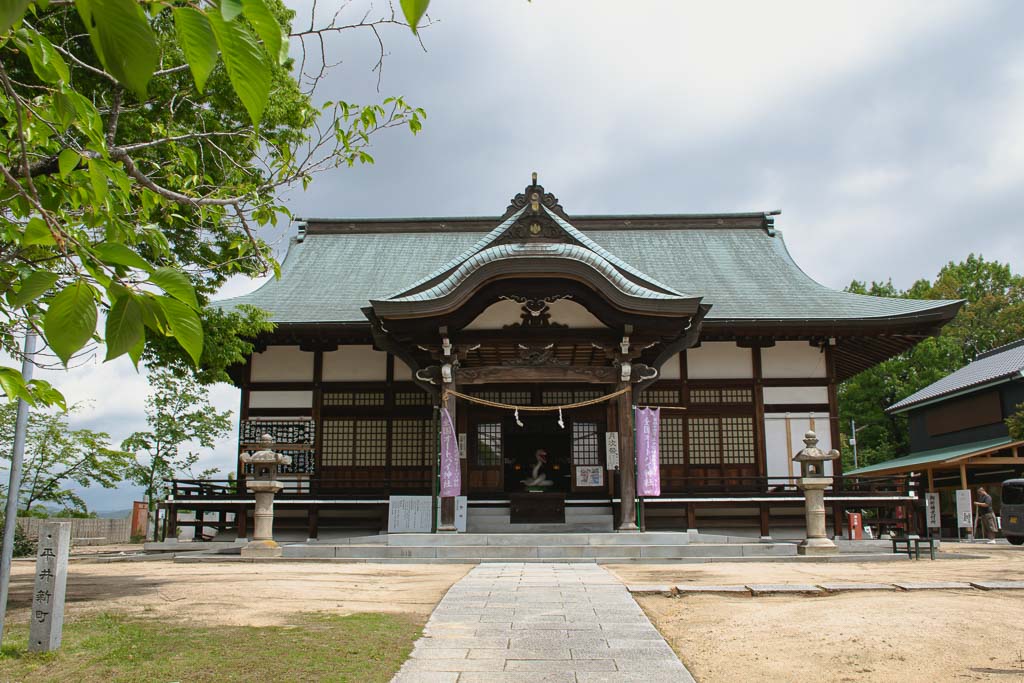
Like every other Japanese city, Okayama has many different temples and shrines you can visit.
Some, such as the Okayama Jinja Shrine, are quite easy to reach while sightseeing, but I think the Tamaigu-Toshogu Temple is worth seeking out.
This Shinto shrine lies across the river from the city center, at the end of the Higashiyama tram line. Walk past the Okaden Rail Museum and up the stairs into a hillside park.
More stairs bring you into light forest, and you soon reach a cluster of shrines around the temple.
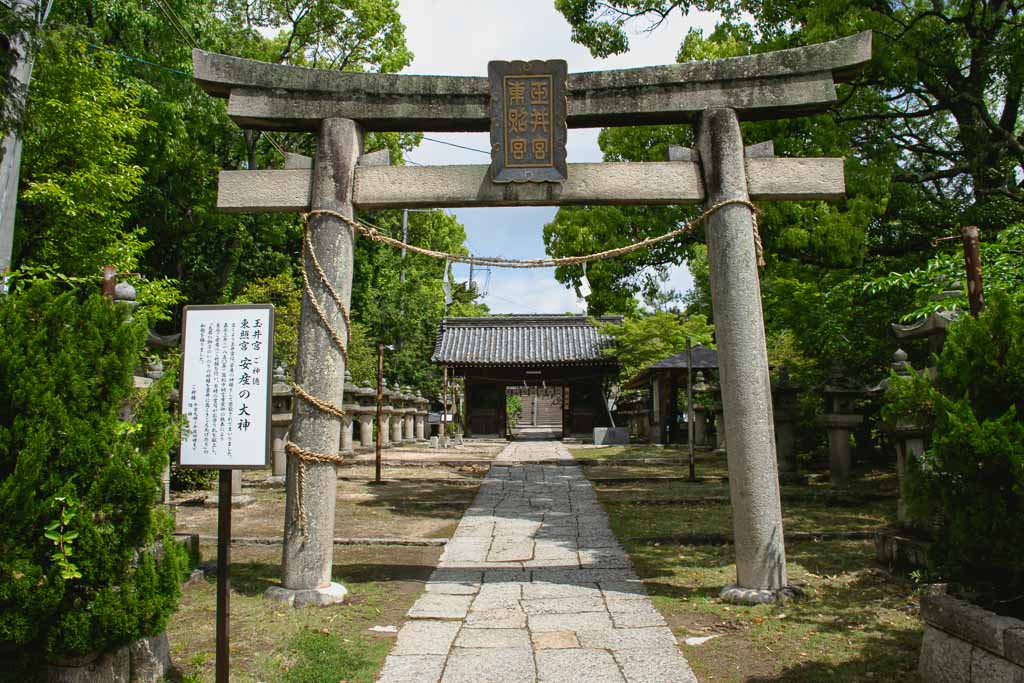
Information around the site is only in Japanese, but it basically explains how the main hall of the shrine dates from 1645 and was one of the province’s first Toshogu shrines, sites that revere shogun Tokugawa Ieyasu. It survived bombing during WWII and was the only part of the temple not to burn down during a 1989 fire.
Exploring the temple area won’t take very long, but there are some decent city views from the hilltop at the back of the temple.
Try the local food and coffee
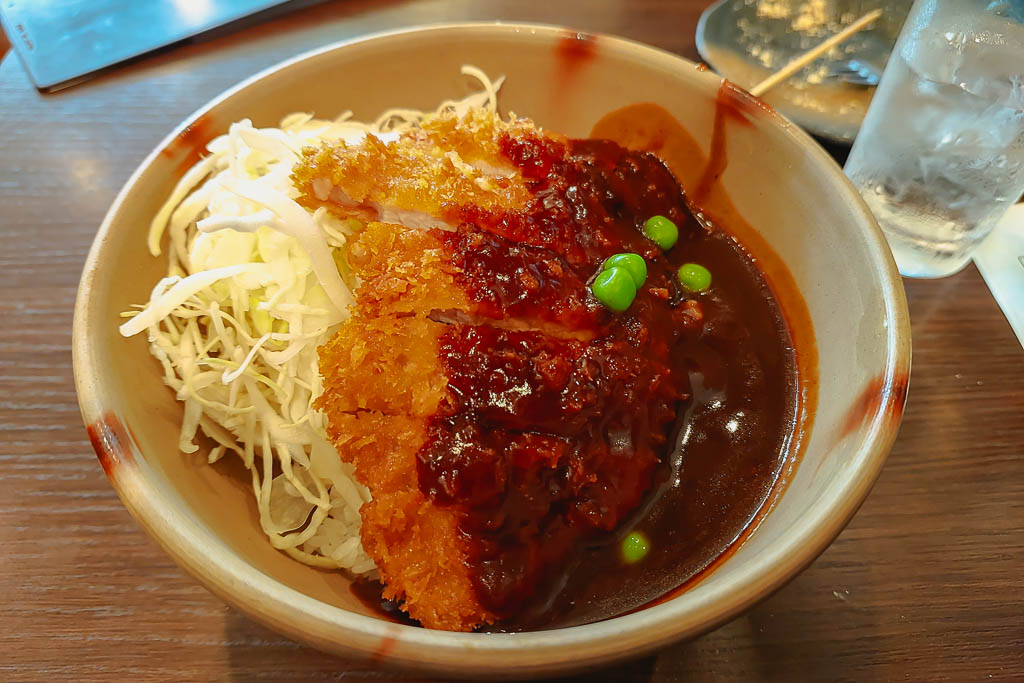
Food wasn’t the first thing on my mind when visiting Okayama. But, somehow, I lucked into having some great food and coffee while I was there.
Without meaning to, my first meal there was an Okayama specialty, the tasty Demi Katsudon at Ujou Coffee. It’s a pork katsu cutlet, served with a dark, slightly sweet demi-glace sauce and green peas. If you want a local dish, this is it.
Another dining option I recommend for another great meal in Okayama is Ramen Issyōan Okayama. I followed locals here for lunch, and it was one of the best ramen dishes I’ve had in Japan.
And if you need coffee and a snack, check out PUBLIC. This bakery is only a few blocks from the station, and its croissants and coffee are delicious.
Okayama was further proof to me that the average food quality in Japan is just so high.
Things to do near Okayama
Don’t think that once you’re done with the things to do in Okayama, there’s nothing more to see.
Okayama Prefecture offers all sorts of attractions and activities, but I suggest starting with several attractions not far from the city center.
Let me say, I didn’t make it to the Bichu Takamatsu Castle Ruins or the Saijo Inari Myokyo Temple. So, I don’t know whether to recommend visiting them or not. But what I can recommend are these two places near Okayama.
Kurashiki Bikan Historical Quarter
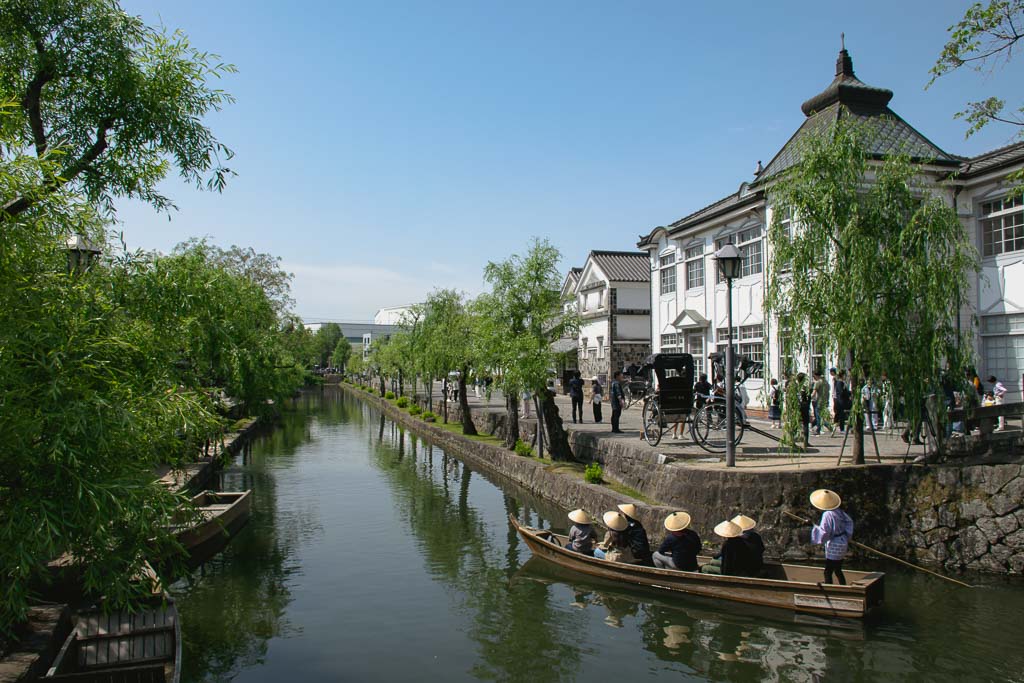
One of the main reasons I visited Okayama was that it seemed the best place to stay for visiting Kurashiki.
The next city along the coast, and also in Okayama Prefecture, Kurashiki is famous for its Bikan Historical Quarter. Traditional homes and warehouses line canals, creating beautiful scenery for tourists as boats punt them about.
There was actually a lot more to see and do in Kurashiki than I expected for my day trip. The downside is that it’s much busier than Okayama. Still, it only takes 20 minutes by regional train to get there.
How to explore Kurashiki requires a separate explanation, but it is safe to say, there’s a reason people come here. Visiting Kurashiki in late spring was nice, but I can’t imagine how beautiful it would be decorated with cherry blossoms.
Kibitsu Jinja Shrine
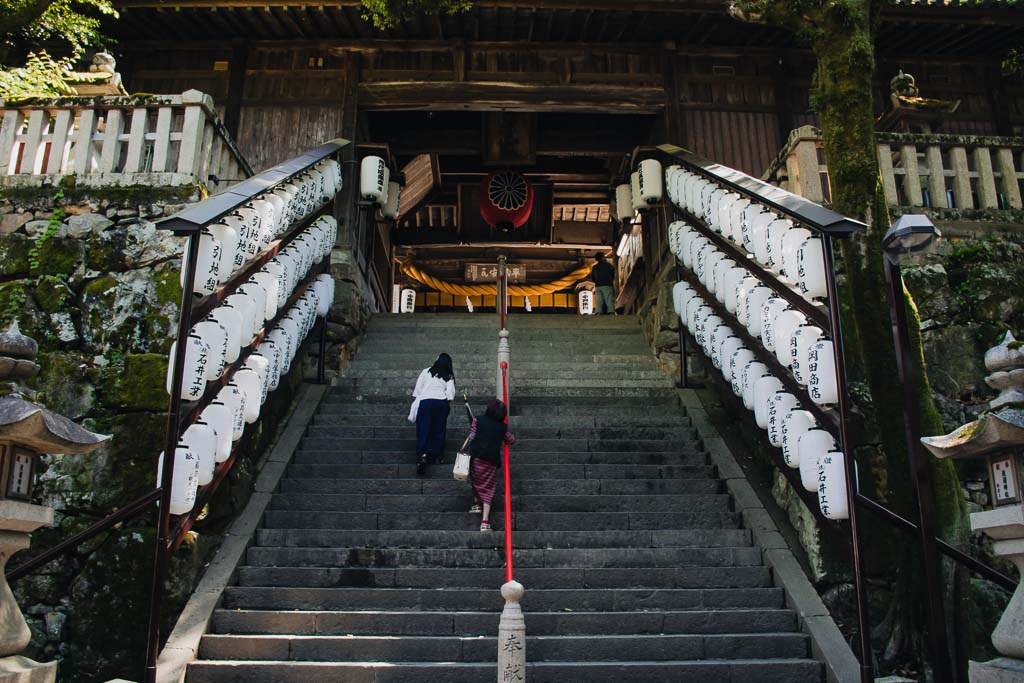
While theoretically closer than Kurashiki, the Kibitsu Jinja Shrine is another place you can reach within 20 minutes by train.
Shinto shrines are everywhere in Japan, but two things make Kibitsu Jinja stand out. One is the incredibly long covered walkway connecting the main hall of the shrine with gardens and several smaller shrines.
The other is its connection to the famous Japanese fairytale, Momotaro, known as the Peach Boy.
Local legend tells of a boy named Kibitsuhiko-no-Mikoto, who defeated an ogre. Many in Okayama Prefecture believe this legend inspired the fairytale, but scholars dispute the connection. All of this is why there’s a statue of Momotaro outside Okayama Station, constantly being photographed by Japanese visitors.
You can explore the shrine, plus the pretty ponds of Uga Shrine, in an hour or so from Kibitsu Station. I ran out of time to explore the trails and shrines across the large forested hill behind the Kibitsu Jinja.
