Disclosure: This post (probably) contains affiliate links. If you click on one, I may make a small commission. Of course, this will come at no extra cost to you and helps keep this site running.
Guest Post by Max of Photo Geeky
Taking pictures while travelling is a no-brainer—what better way to document your journey? Unfortunately, what you find interesting in the moment may not translate well to the two-dimensional world of photography. There’s an art to making your travel photography really stand out, and a large part of that has to do with the story.
Storytelling is as old as humankind. We’re hard-wired to respond to stories—the more compelling, the better. But even the most mundane of circumstances can be transformed into something interesting if there’s a story behind them.
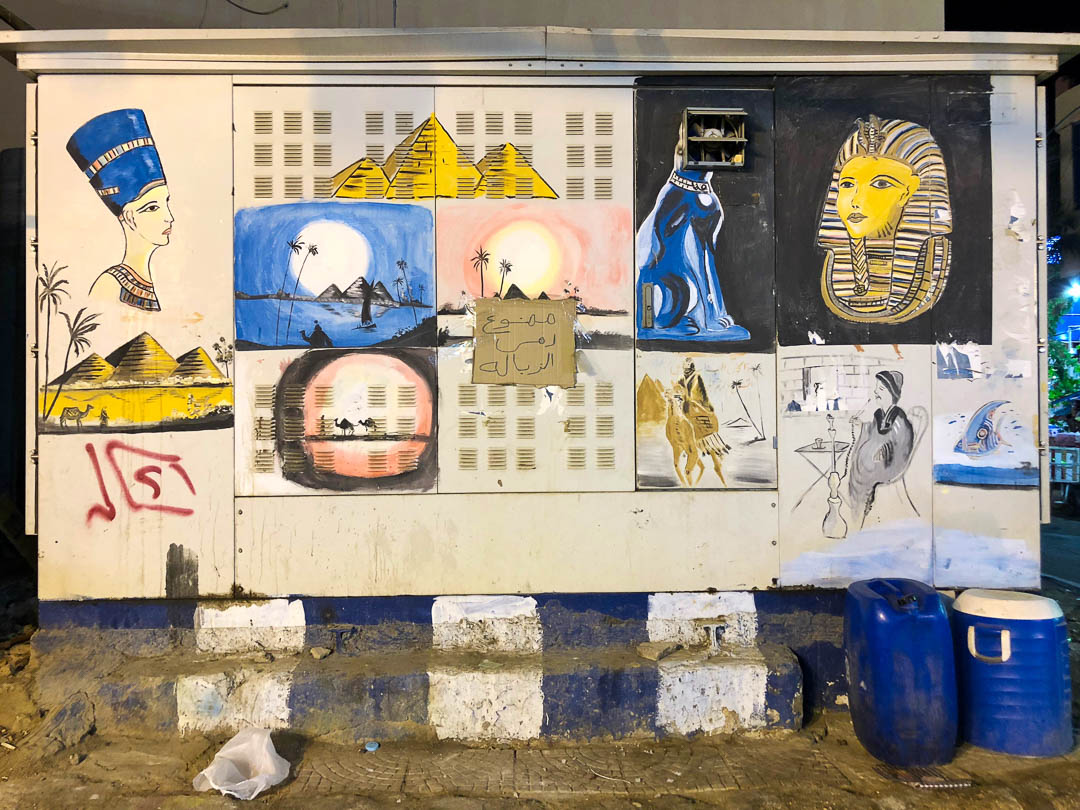
Planning formal shoots while traveling isn’t easy, or even necessary to tell a great story. All you need is to be there in the moment and let events unfold around you. Whether you make out a formal shot list or just keep a general idea in your head, you’ll still need to be able to catch great impromptu scenes when they show up.
Guidelines, Tips, and Tricks
Like all genres of photography, there are a few things you need to know to make storytelling work. The guidelines below will help keep you on track and ensure that your images tell clear, focused stories.
Go wander around and, most importantly, look around. Rushing around the main tourist attraction may cause you to miss interesting moments. Slow down, walk the quiet streets, and meet the people – these moments are no less precious than the iconic destinations.
Don’t try to make the perfect shot – you don’t need to have all the technical aspects down to capture a shot that has an emotional impact. But still, a little bit of practice can’t harm – having a basic understanding of good composition, lighting, and the settings on your camera or phone will make a difference in the overall quality of your shots.
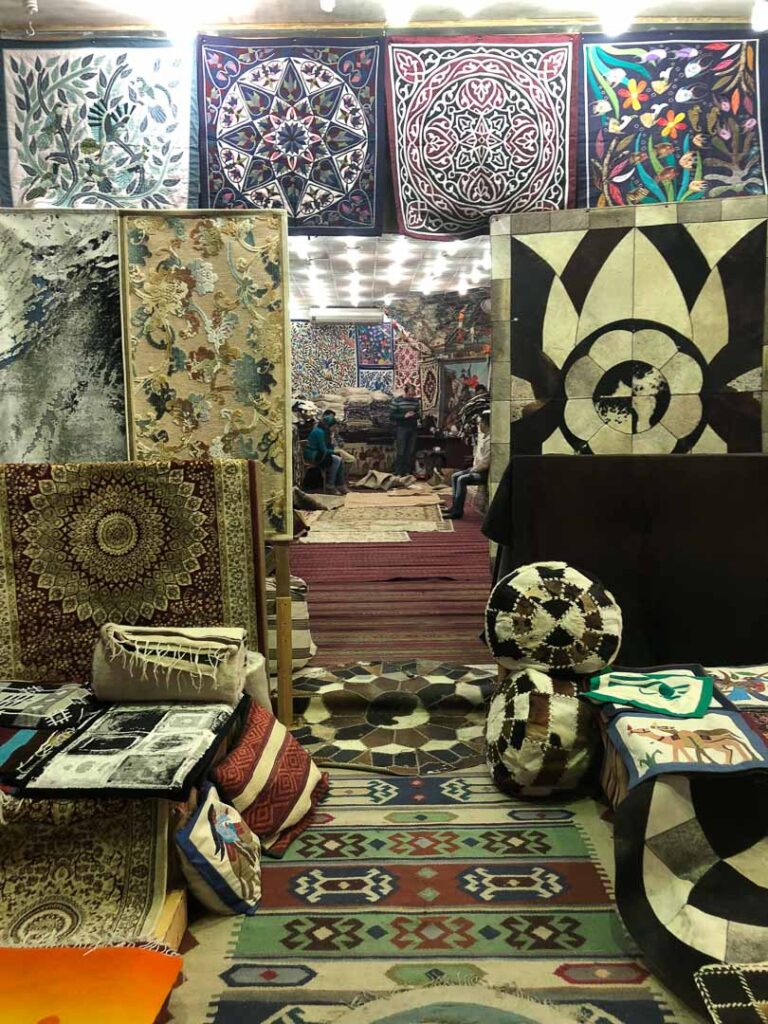
Pay attention to details. Showing the whole picture is important, but small details provide insight as well. Get closer to interesting objects, windows, doors, merchandise, patterns – whatever you find interesting.
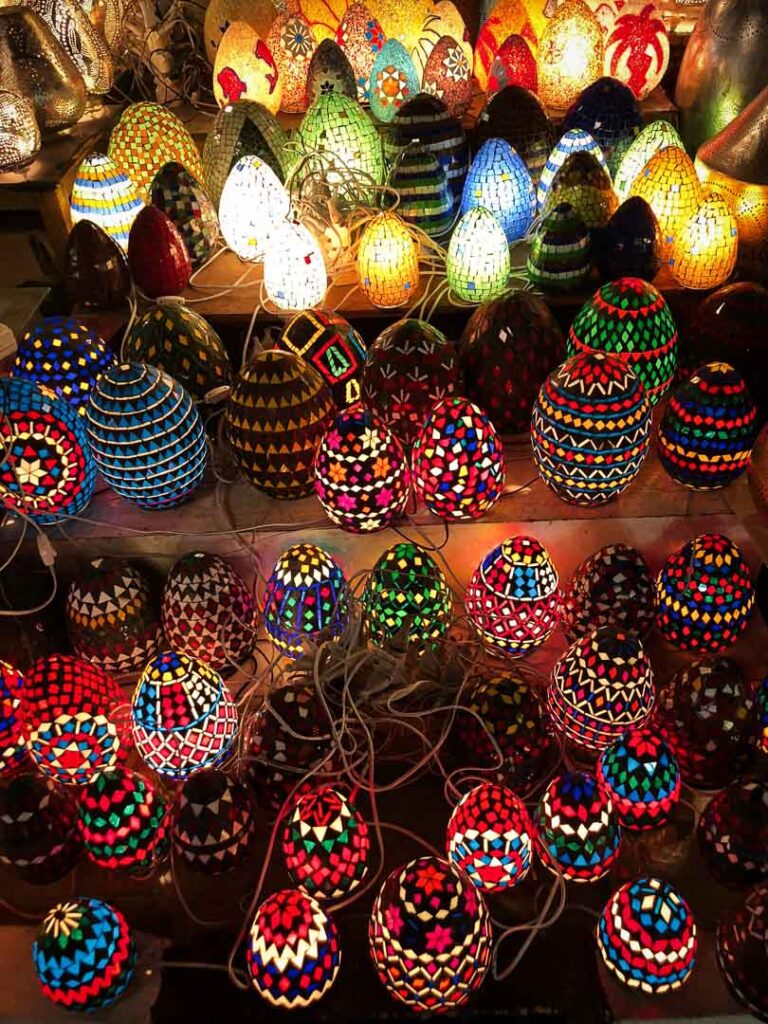
Think about the mood you want to convey. Try experimenting with the background, different effects or different camera angles. The type of lighting will affect the feeling your images bring out to the viewer. For example, a light and sunny image will have a happy, free feel, while a dark, shadowy one may be sinister, dramatic, or sad.

The background is almost as important as the main subject, as it helps add context and details that make the story come alive. If you take a photo with a background that immediately tells the viewer what place you shot it in – you’re on the right track.
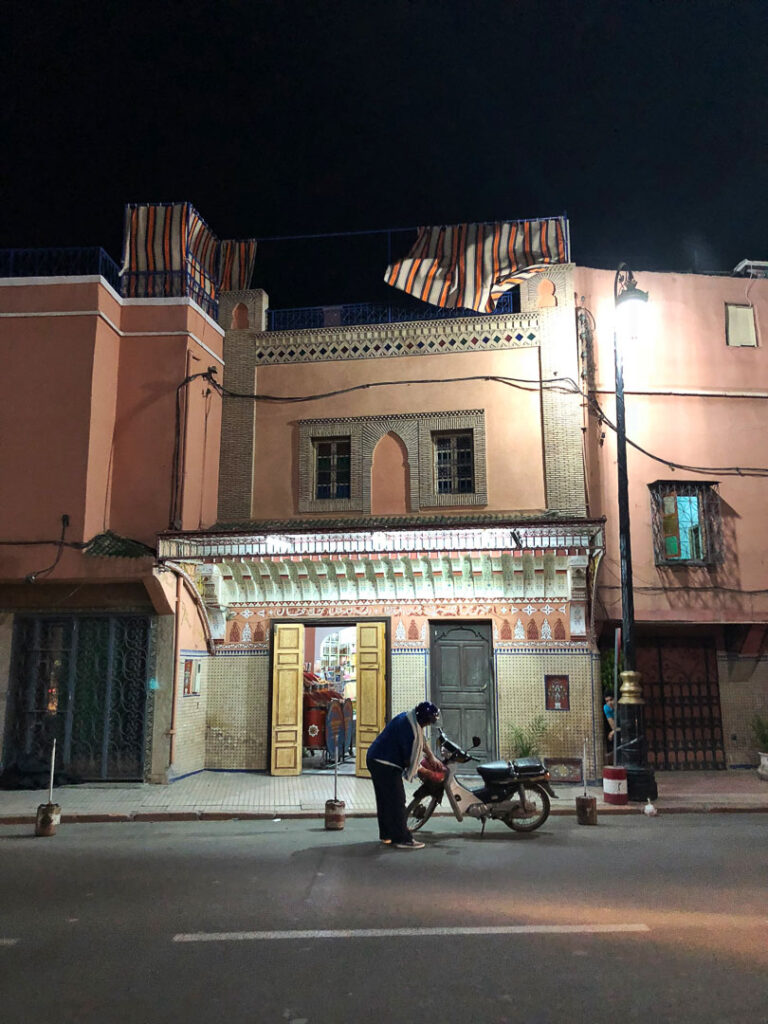
Try to get at least a few shots with people in them, as they can add so much more to an image. They can be your travelling companions or locals, but it’s always better to ask permission first before taking the shot or at least make sure they don’t mind being photographed. There might be restrictions against it, like DGPR in the EU.
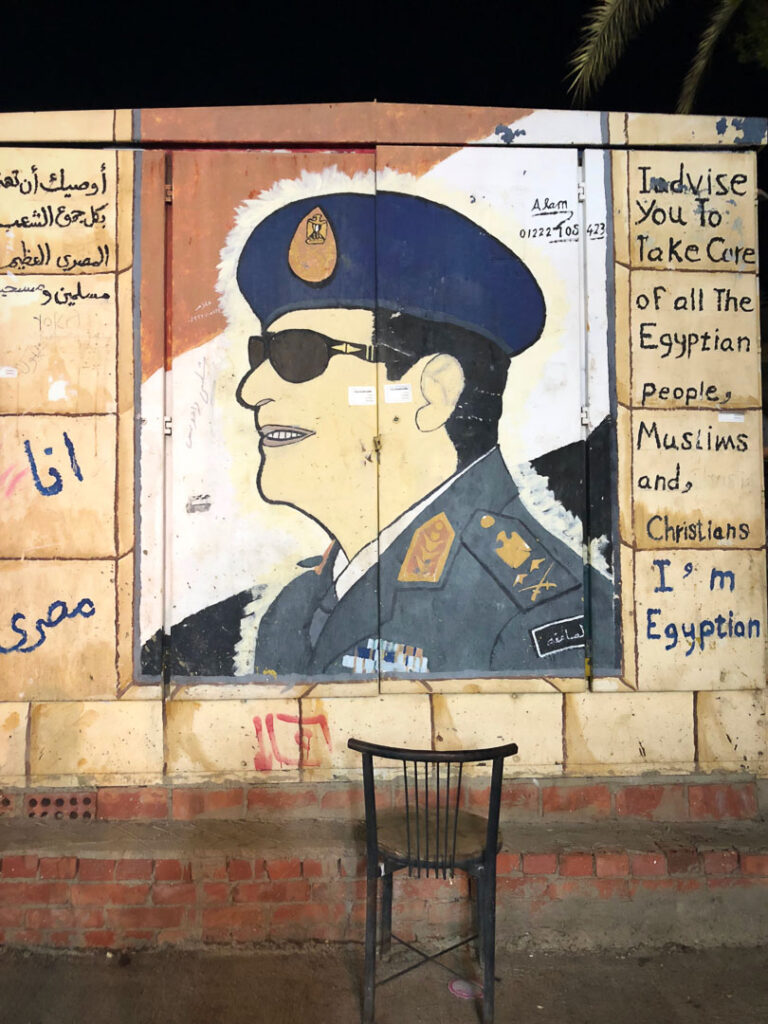
Think of images that pack the strongest emotional punch—and take photos with that in mind if you can. Of course, not all images need humans to be emotionally moving—still lifes, landscapes, nature photography, macros—just about any type of shot can be compelling. If you can take shots of something or someone that has personal meaning to you, emotion can come through the image very clearly.
Basic editing like adjusting the exposure, white balance, crop, and sharpness is often necessary for getting the best out of your images. There are different kinds of editors to try: Adobe products for advanced users, Luminar for enthusiasts, free editors like DarkTable or GIMP, or just experiment with your phone’s built-in capabilities.
Another piece of advice: don’t get too fancy. Travel photography is a lot like documentary photography—the viewers are interested in seeing a slice of the reality of life where you visited, not an artist’s rendition.
While your photos will probably speak for themselves, you can add some captions and comments to your photos later, as it’s not always easy for a viewer to know what’s going on without context.
Choose the Right Format
Will your photos be best suited to a series, a single portrait, or perhaps a single detail that tells your viewer about the whole? For more spontaneous, intuitive storytelling, just keep taking photos of your subject without thinking too much about it, and cull them later.
The three-shot story works well for a more planned series. If you’re not sure where to get started in photographic storytelling and/or you tend to take so many photos you end up having a lot of repetition, try this technique. You can also try to complete this assignment with photos that are already in your photo library – a nice way to recall your travel.
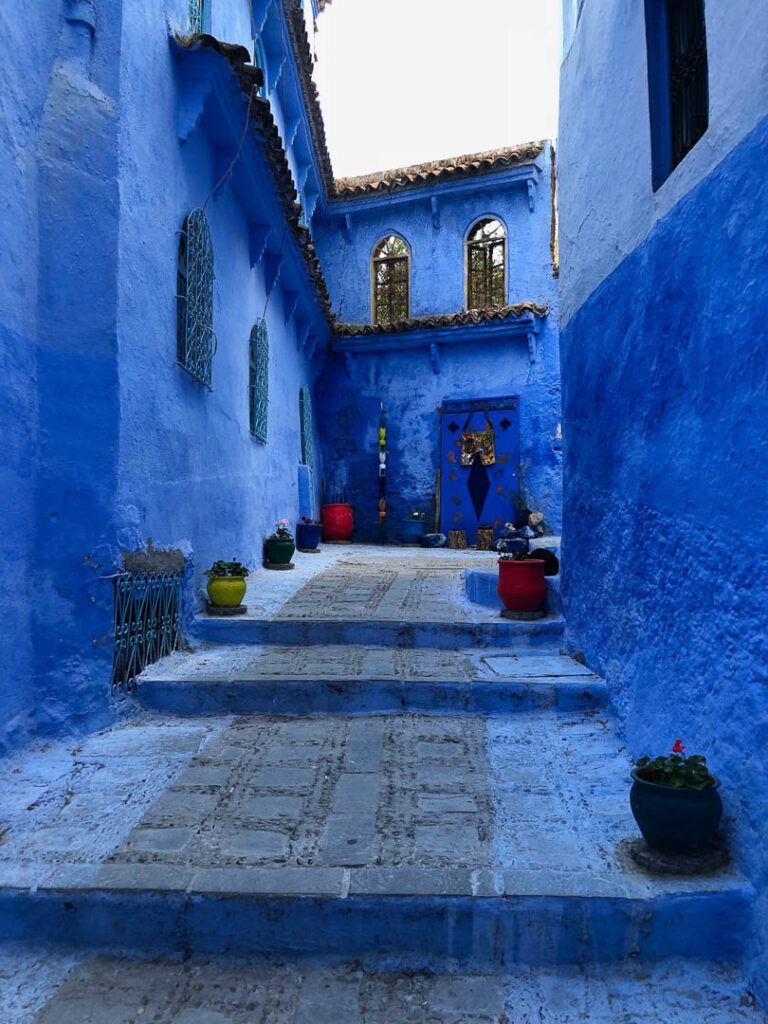
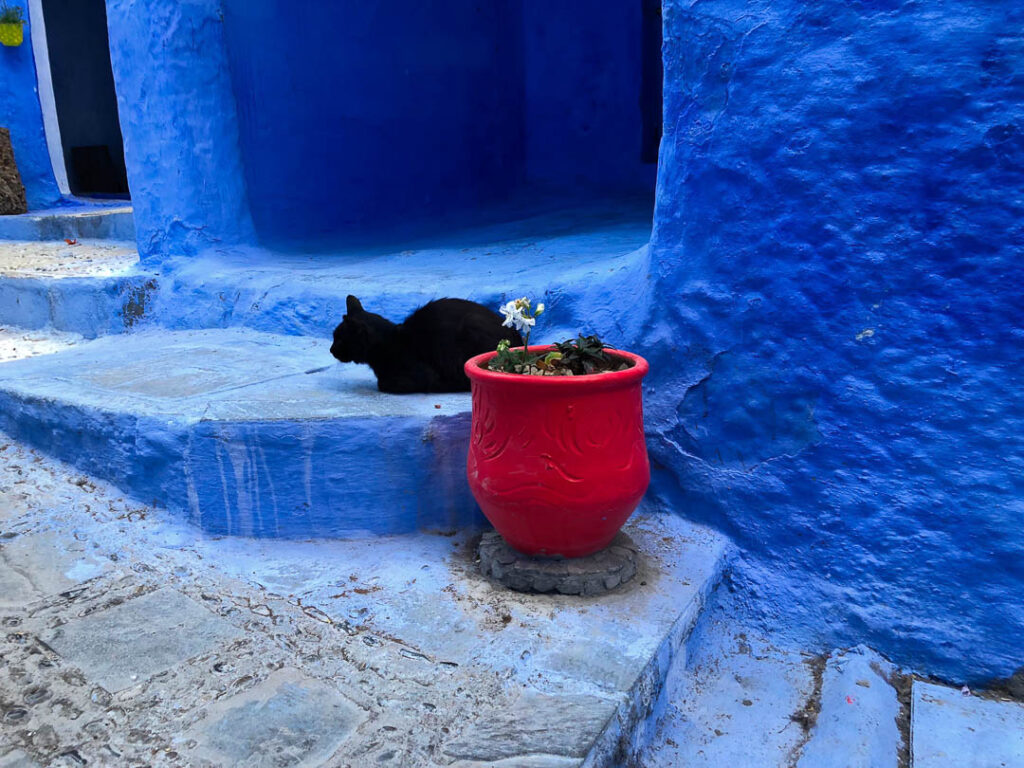
It starts with a Big Picture shot, followed by the Main Focus, and concludes with a Close-Up. The point is to learn to not only do more with less but to avoid repetition while creating your storyline. Once you feel like you’ve mastered the 3-photo story, start creating stories with more images, adding one at a time. But beware of repeating your images—each photo needs to be able to stand on its own and move your story onward.
For example, the Big Picture: A Panoramic View

Main Focus: One of the town streets
And a close up:
No matter what type of trip you’re taking, adding context and storytelling to your travel photography will go a long way to making your images memorable. Sometimes, the best photography is about keeping your eyes open and following your instincts to grab that unique, moment in time shot.
Keep practising, and in the end, you’ll find yourself with better content and photographic stories of your travels that stick with you for years to come.
About the Writer
Max Therry is an architecture student who is fond of photography and wants to become a professional photographer. He is also working on his photography blog about photo editing, modern photo trends, and inspiration. Feel free to reach him by email.
What questions do you have about storytelling through your travel photography? What are your favourite tips that you use to convey a story through photos? Please share your thoughts or questions in the comments below.

1 comment
Thanks. Very interesting and I’m going to try it.