Disclosure: This post (probably) contains affiliate links. If you click on one, I may make a small commission. Of course, this will come at no extra cost to you and helps keep this site running.
Once the capital of Malta, the fortified city of Mdina lies near the middle of the Mediterranean island. This location alone makes Mdina an interesting spot to visit since so many of Malta’s landmarks rest along the country’s rugged coastline. In the modern-day, the fortified Mdina sits within the town of Rabat, once only a suburb of the great fortress.
Possibly Mdina’s greatest claim to fame these days is its use as a setting in Game of Thrones‘ first season. But trust me, there’s plenty more to this atmospheric place.
I figured the best way to show you Mdina and Rabat was through photos as they are quintessentially Maltese and photos best capture their serene gracefulness. That way you can get a sense if you want to visit yourself, either independently or as part of a tour. So take a look through my time in Rabat and the Silent City.
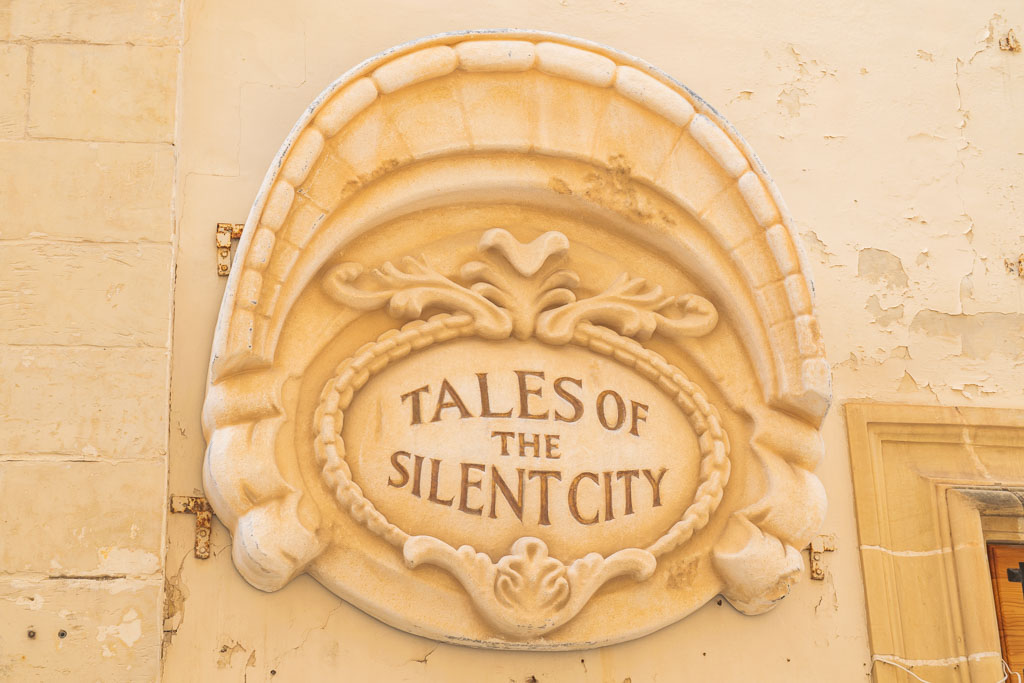
Mdina, the Silent City
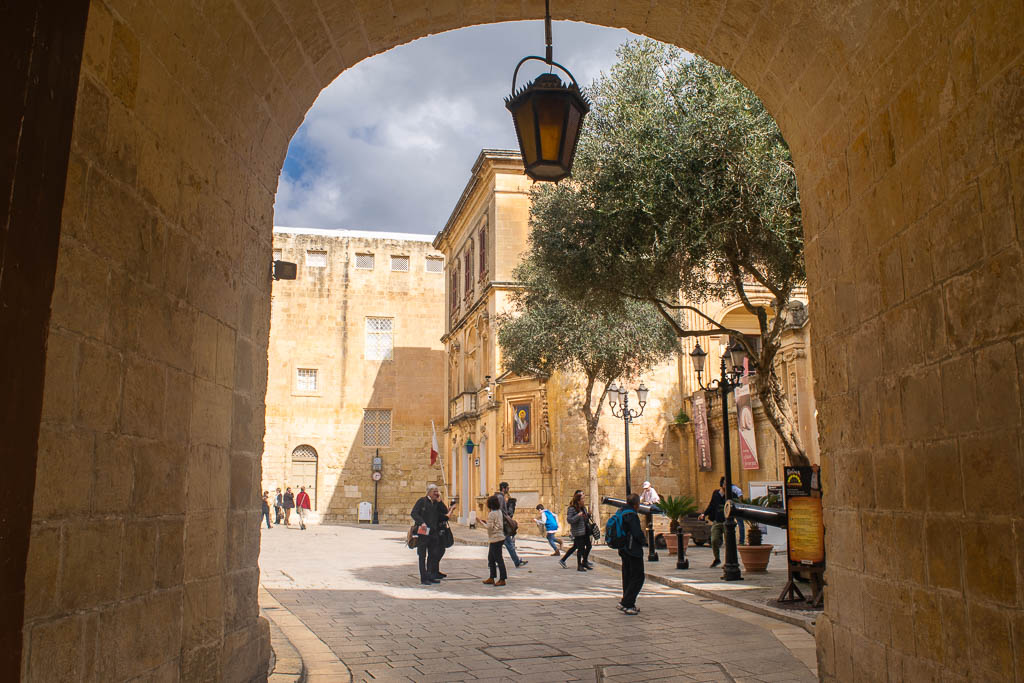
The fortress city of Mdina can trace its origins back to the Phoenicians as far back as the 8th century BC. It wasn’t until the Romans that the city blossomed and was known as Melite. It shrunk again after the fall of the Roman Empire and passed through many hands over the centuries. For those who have visited Morocco or know some Arabic, you may have noticed its similarity to the word ‘medina‘ for ‘town’ or ‘old town’. That’s no coincidence, as the city earned this name during the Arab occupation of Malta.
As I mentioned above, Mdina was indeed the capital of the island at this point, until the arrival of the Order of St John. The Hospitallers moved the capital across the island to Birgu, in the Three Cities. The city’s decline was guaranteed at this point and remained mostly unchanged from the 16th century onward. It was this feeling of being trapped in time that earned it the mysterious nickname of “The Silent City“.
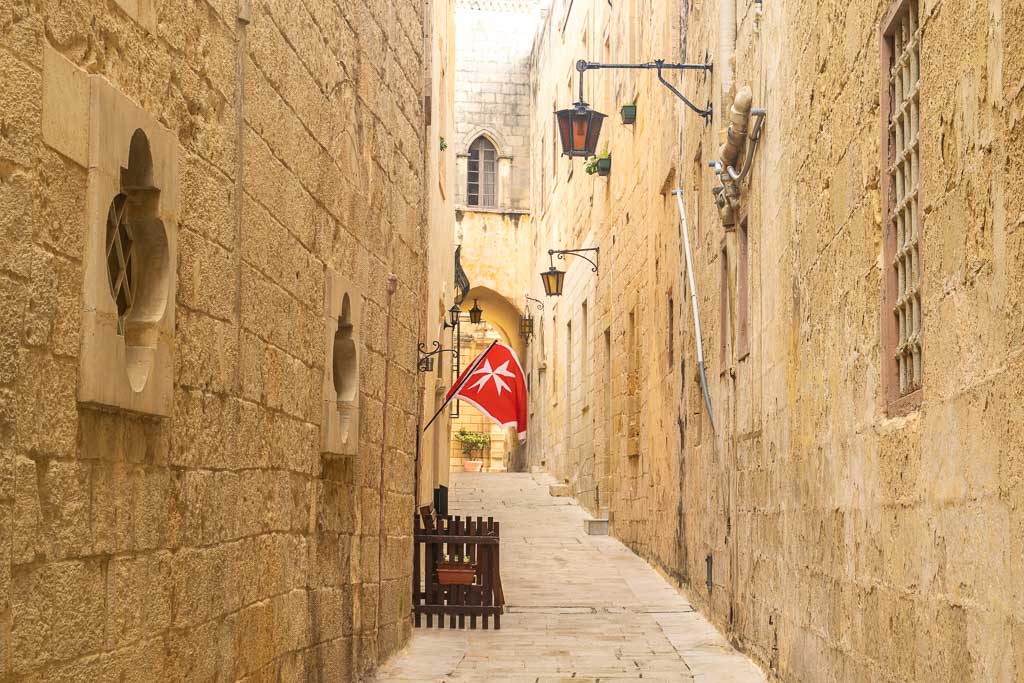

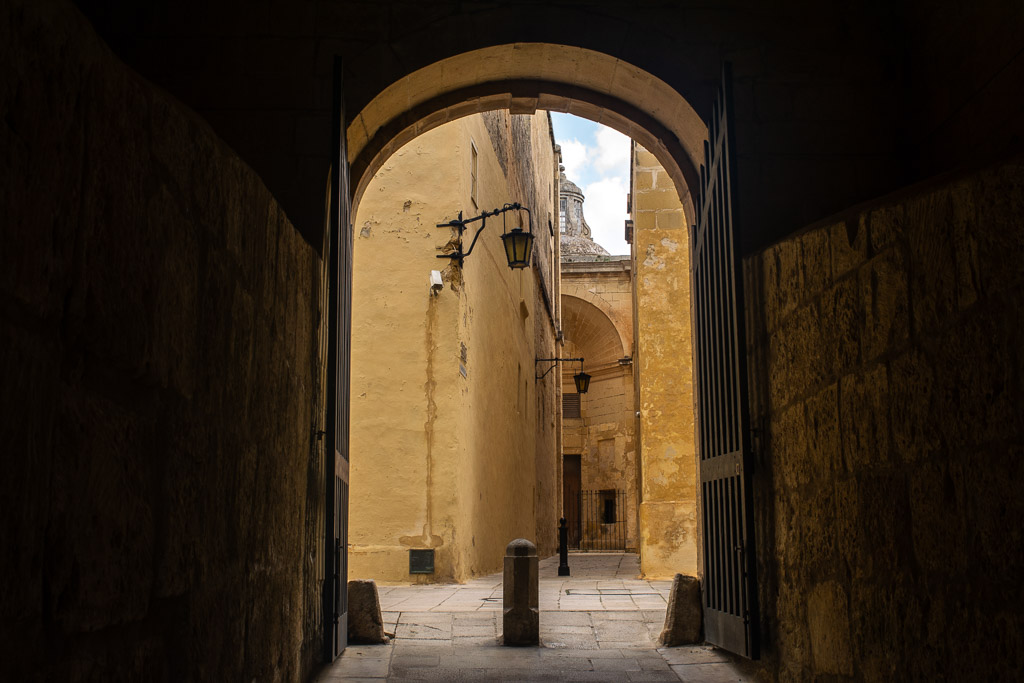
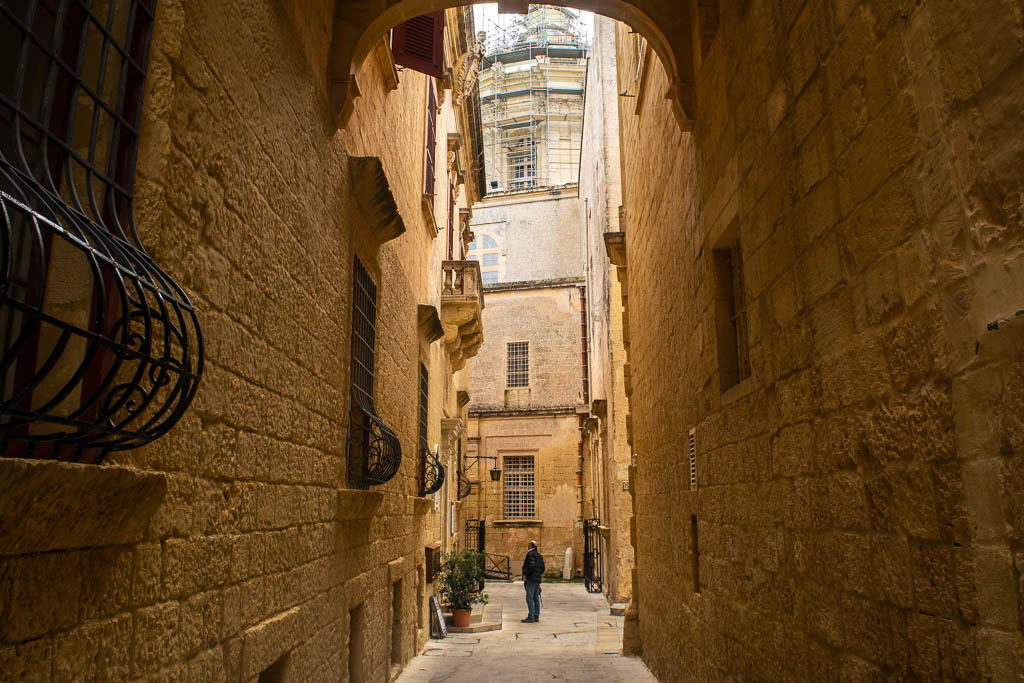
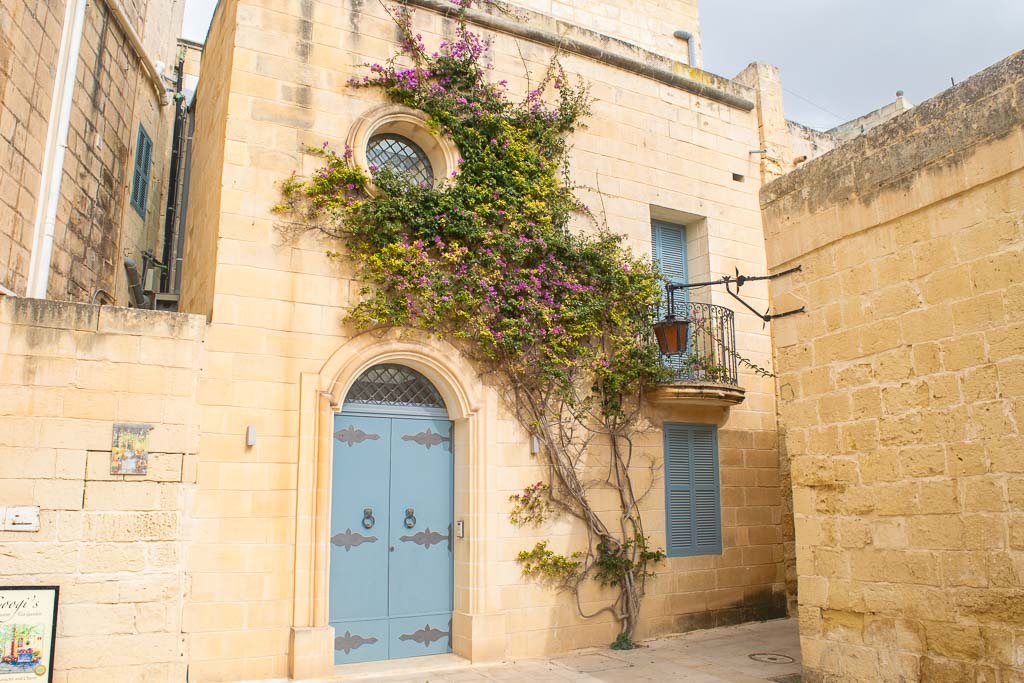
The Heritage of Mdina Fortress
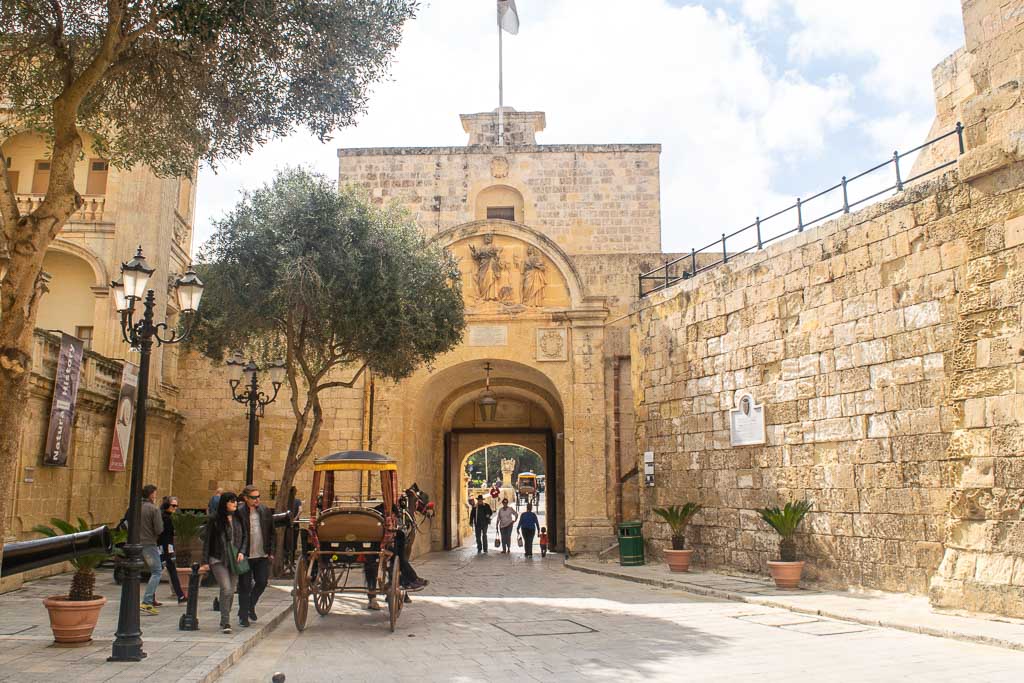
Not yet a UNESCO heritage-listed site, Mdina is currently on the tentative list and I think is a worthy candidate given its history and current state. Walking through the city, you get a feel that you’re walking through an open-air museum. That being said, there are some actual museums within its walls as well. The most prominent to me was the National Museum of Natural History, although I didn’t visit it. There are also ones on the Knights of Malta and dungeons and torture.
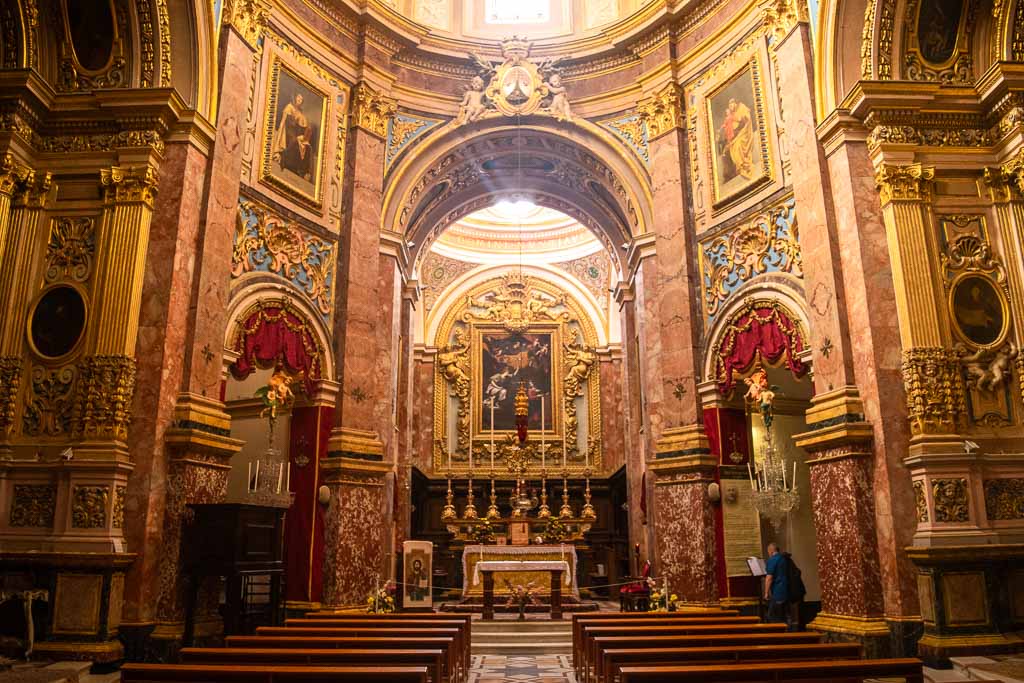
Much like the rest of the country, there are several churches to visit here within the city walls. One to see in Mdina is St Paul’s Cathedral, a landmark with ties back to the folklore surrounding the shipwreck of St Paul. The interior of the cathedral is quite embellished, much like another church in Mdina seen below, the Carmelite Priory.
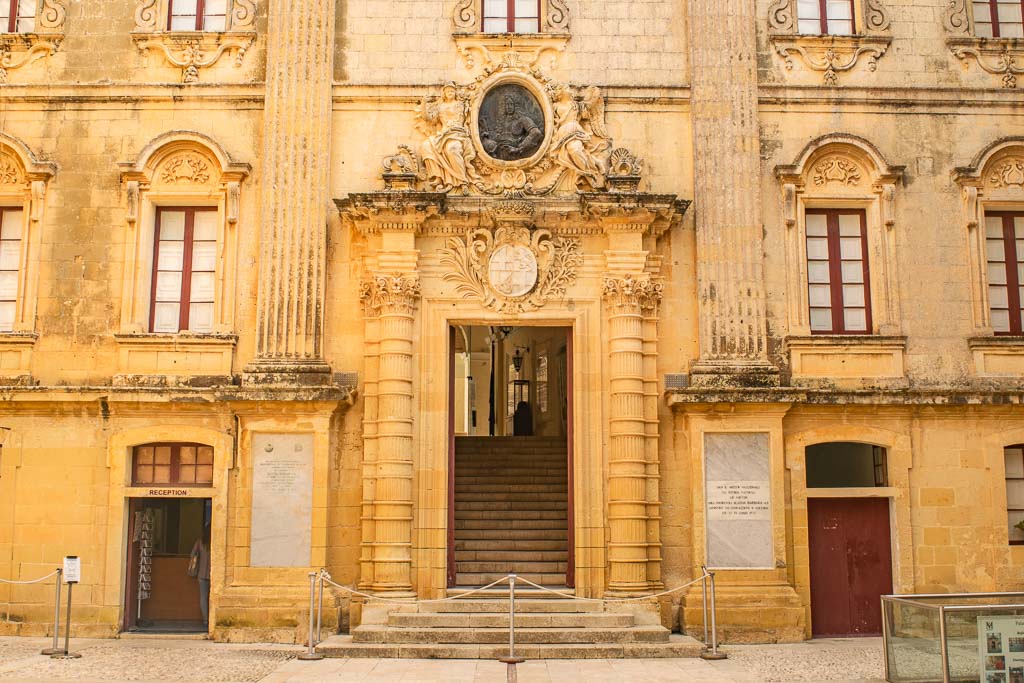
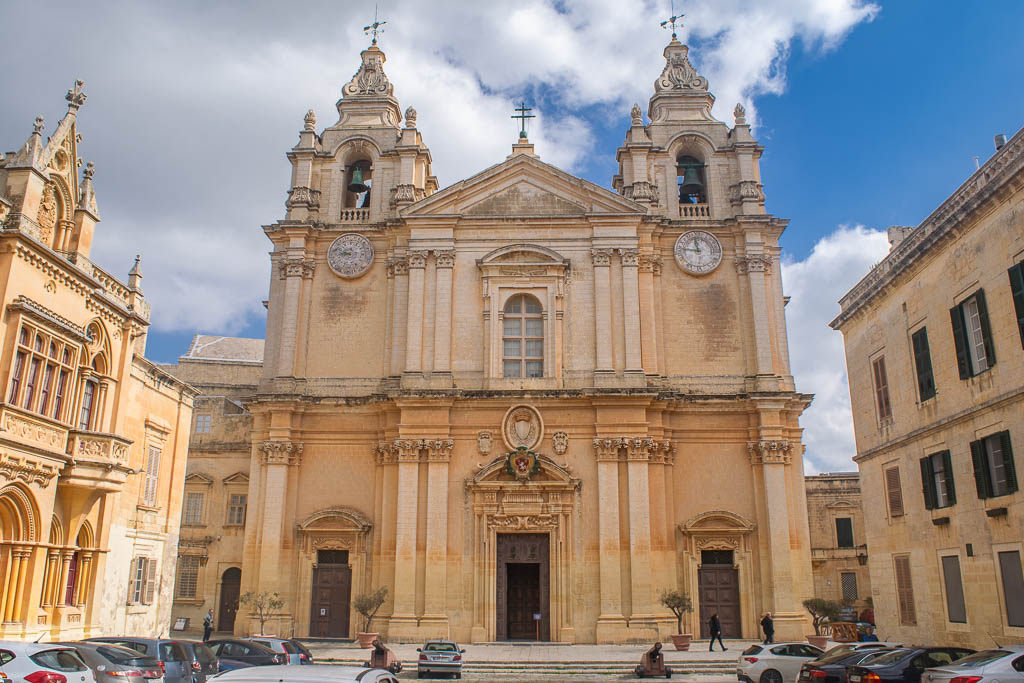
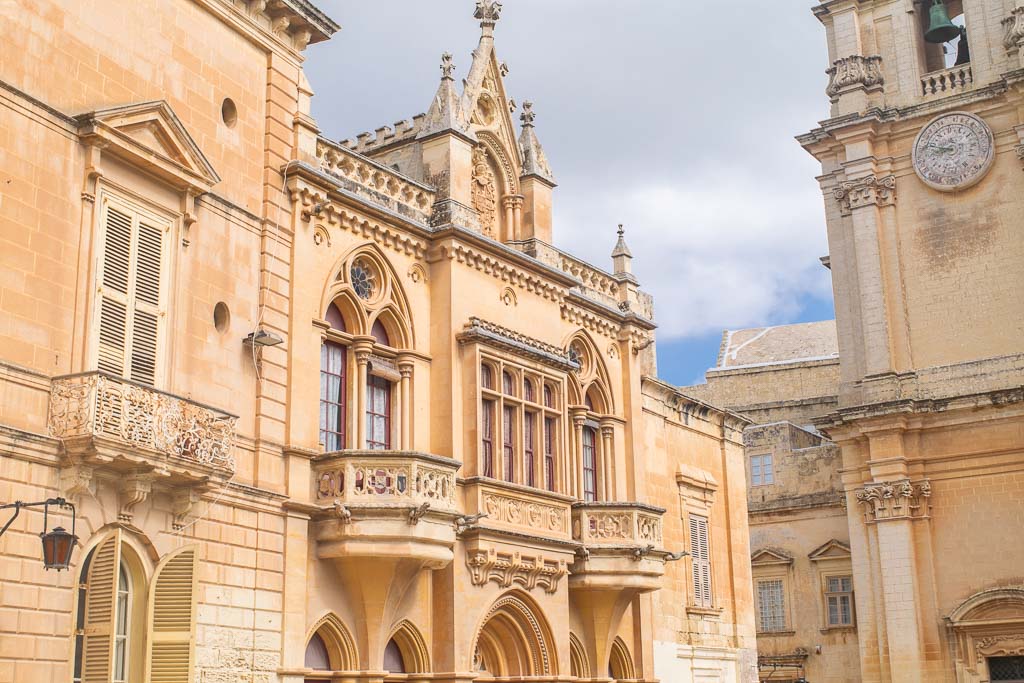
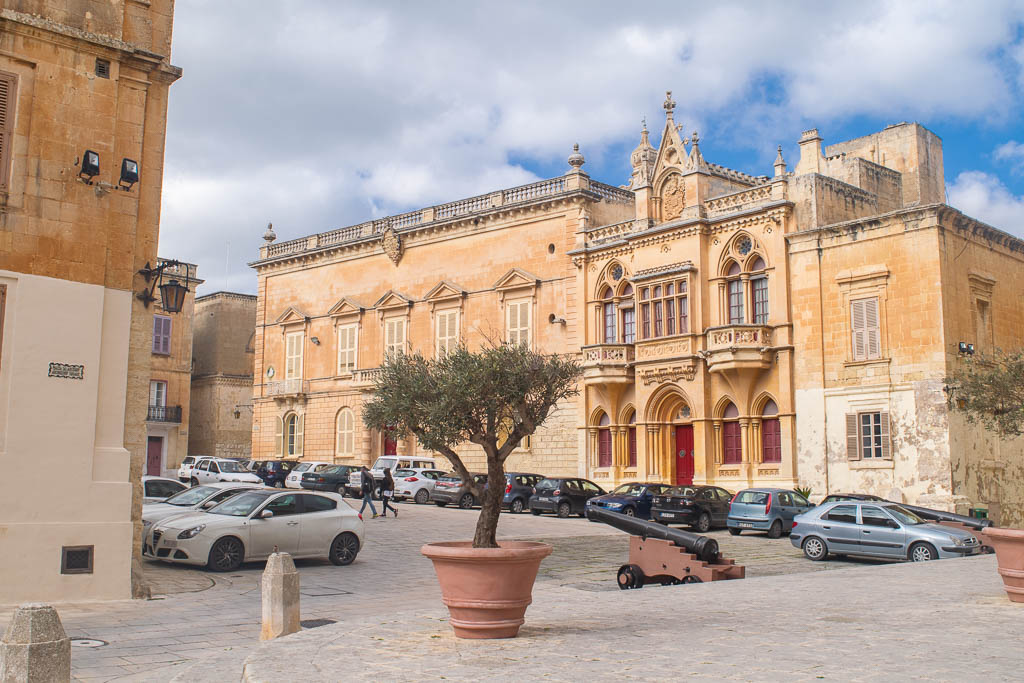
Mdina Palaces
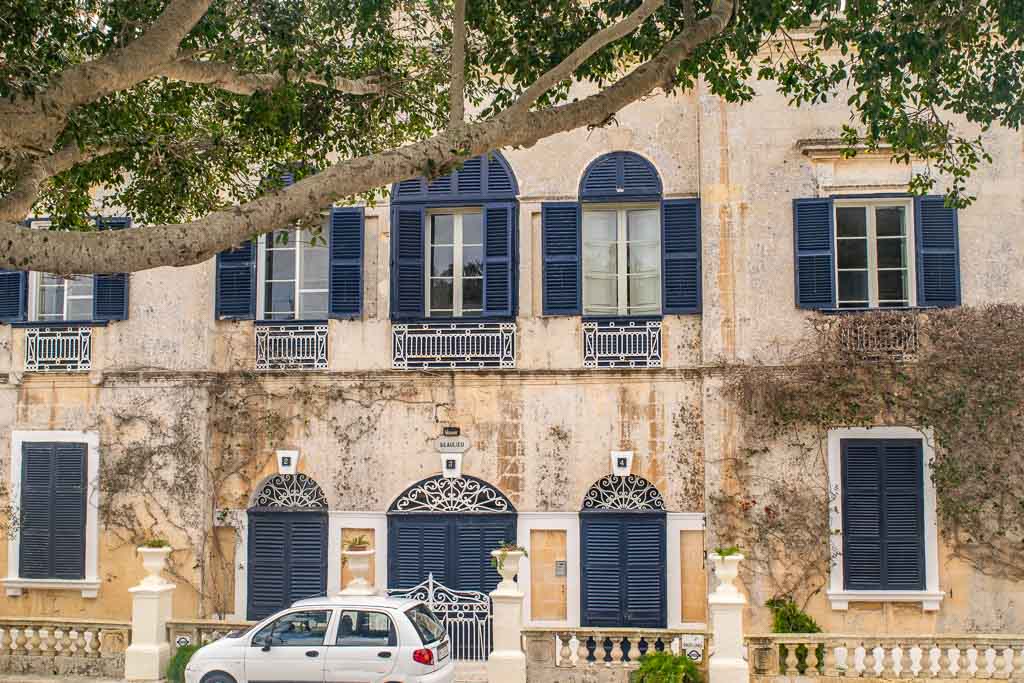
One building in Mdina that captured my attention was Palazzo Falson. Situated by the best viewpoints in the city, the palace exudes elegance with its deep blue shutters and creeping ivy. It typifies the architecture you can find in Mdina and the other cities of Malta, even with its slightly faded exterior. Maltese architecture stands out to me as something unlike anything I’ve come across in Europe before.
Views From on High
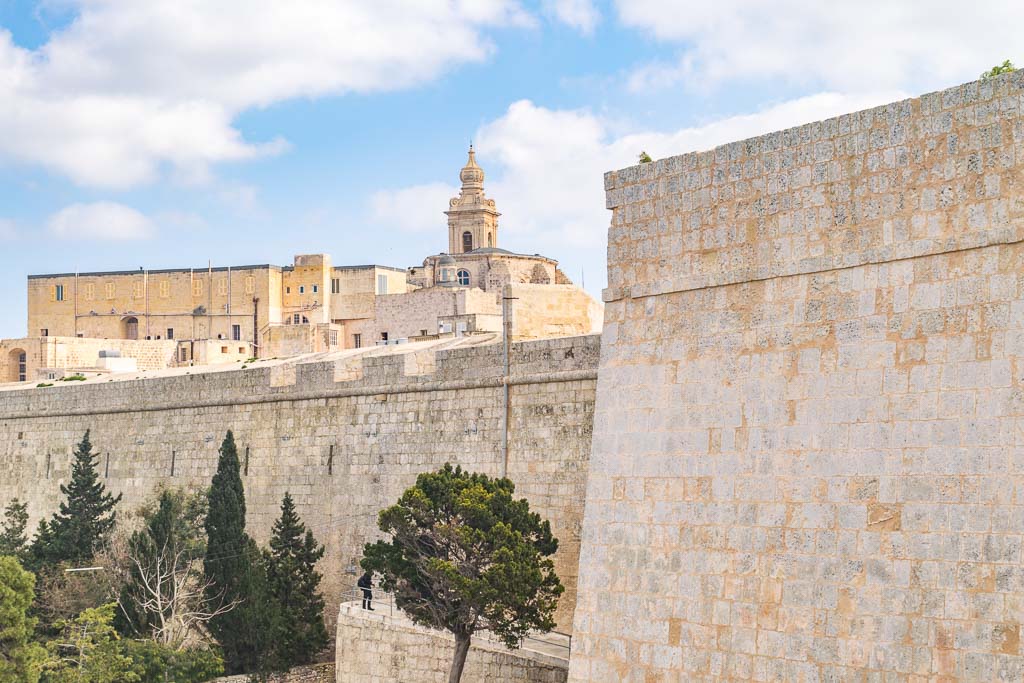
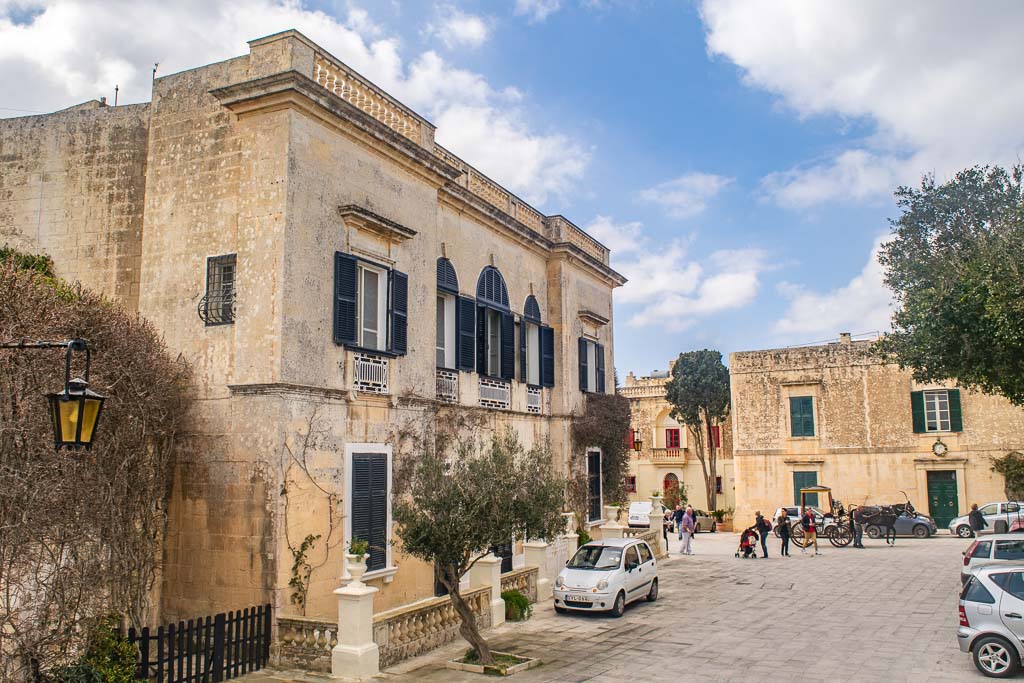
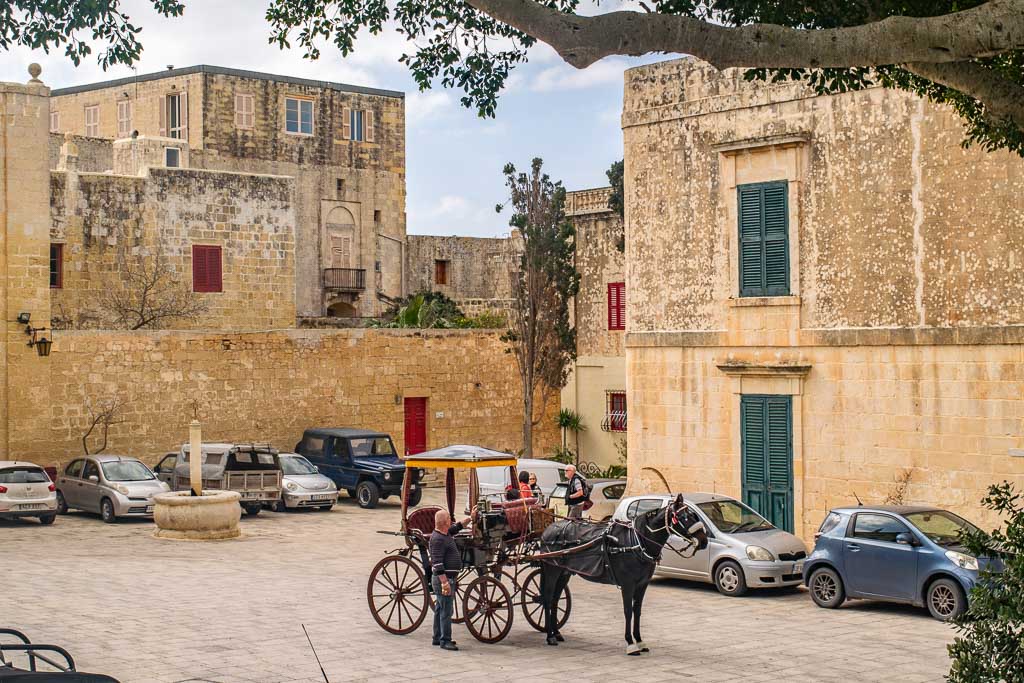
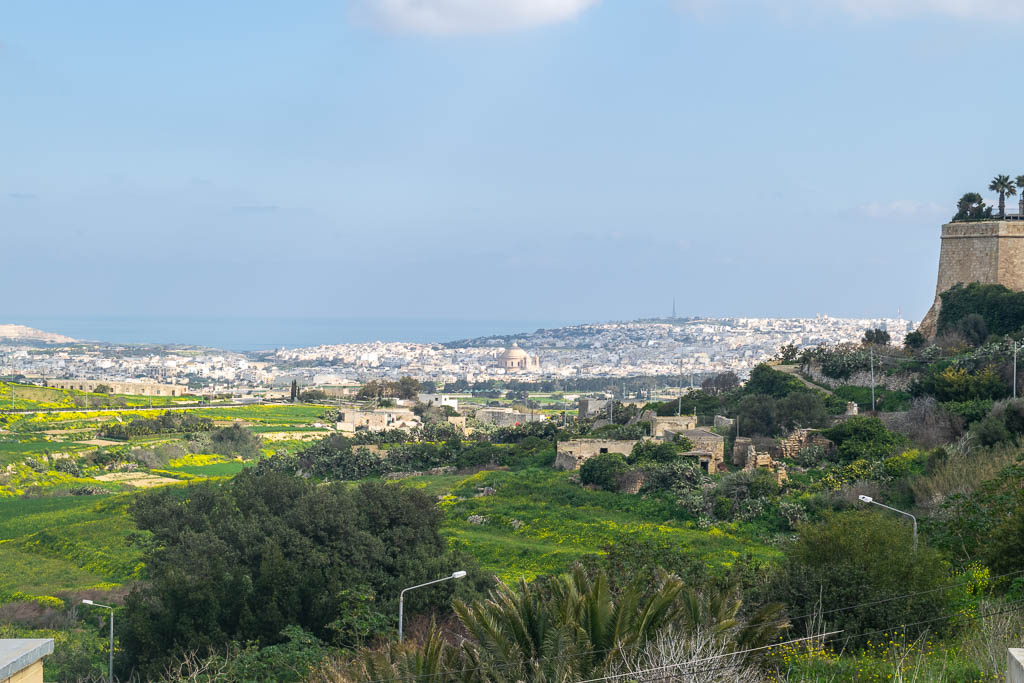
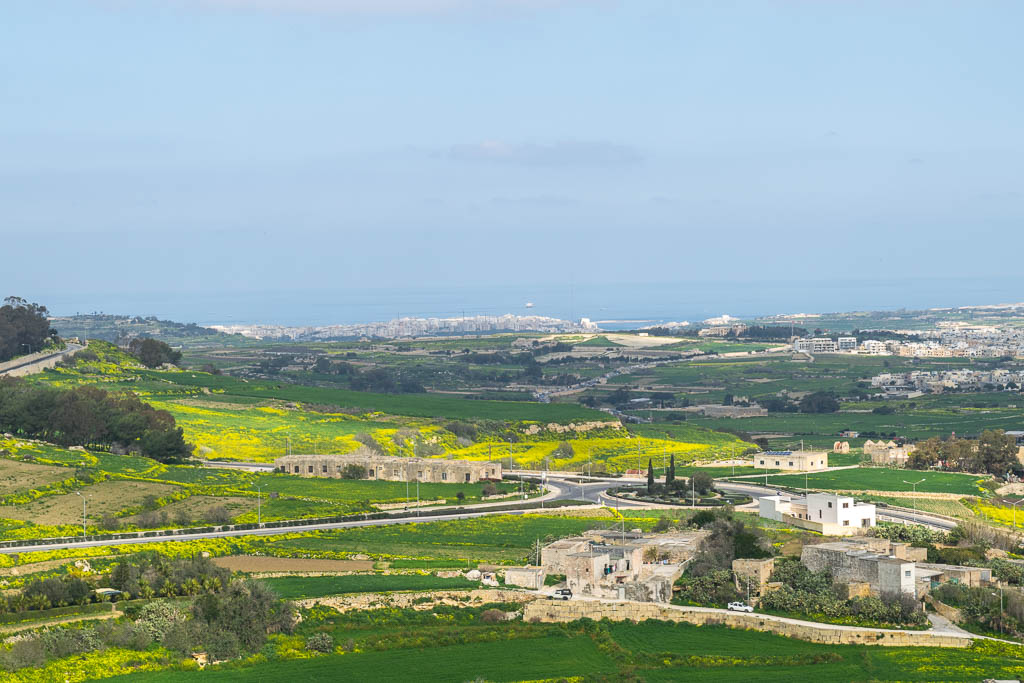
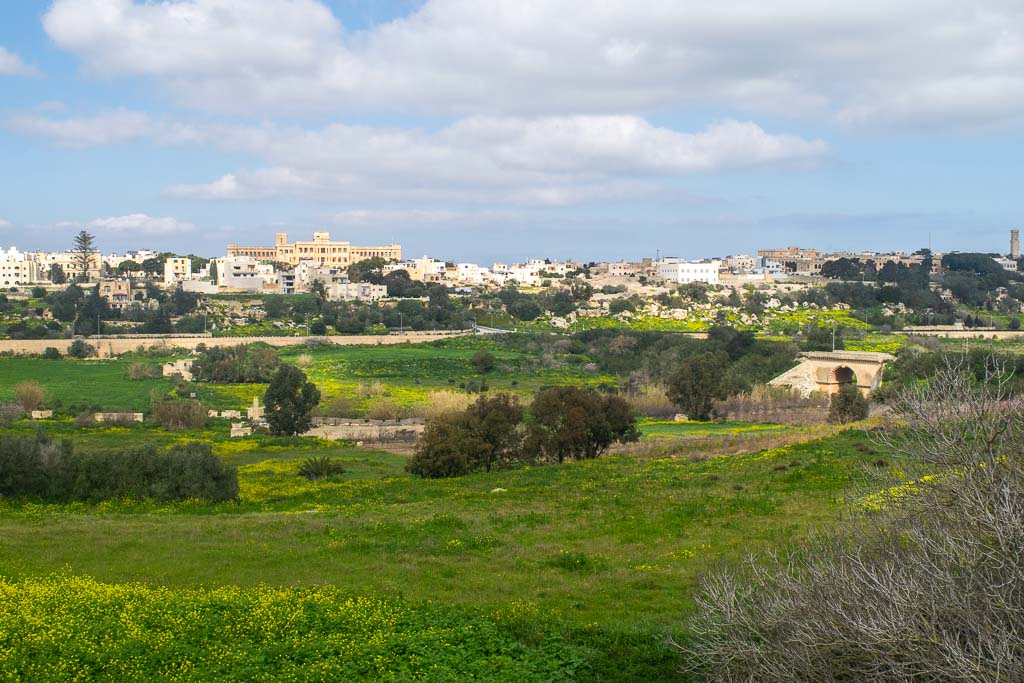
Given its strategic position, Mdina boasts an awesome vantage point over the fairly flat countryside around it. Despite being closer to the country’s west coast, on a good day, you can still see the sea out east from its high walls. If you haven’t had a chance to explore the rural side of Malta, the views from the fortifications should show you what it’s all about. The immense dome you can spot is the Mosta Rotunda, a church that I failed to visit during this trip.
The Streets of Rabat, Malta
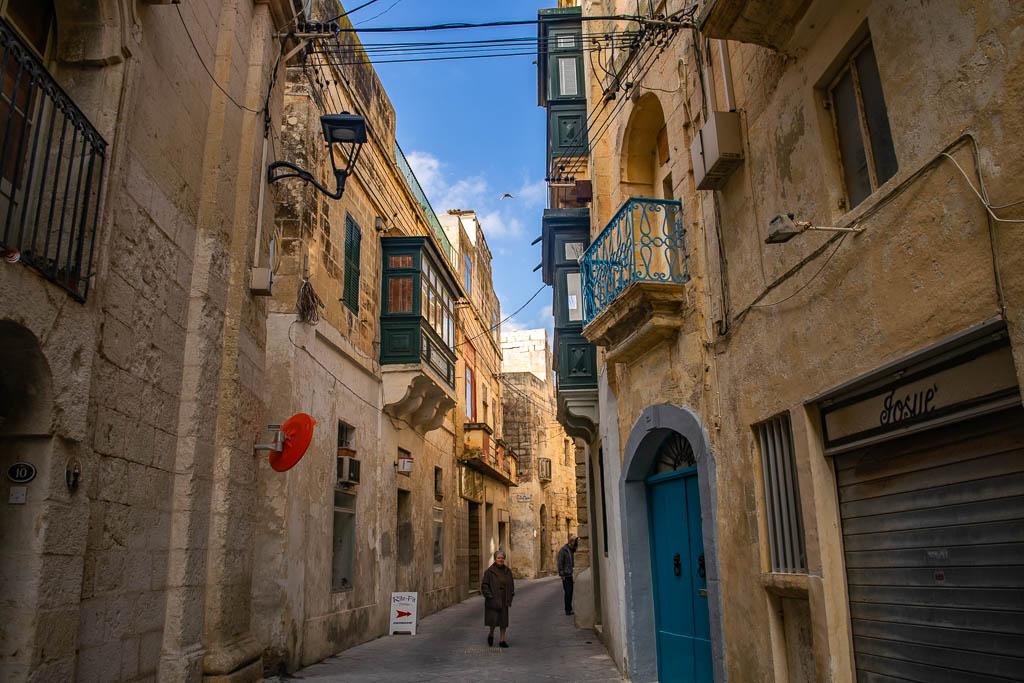
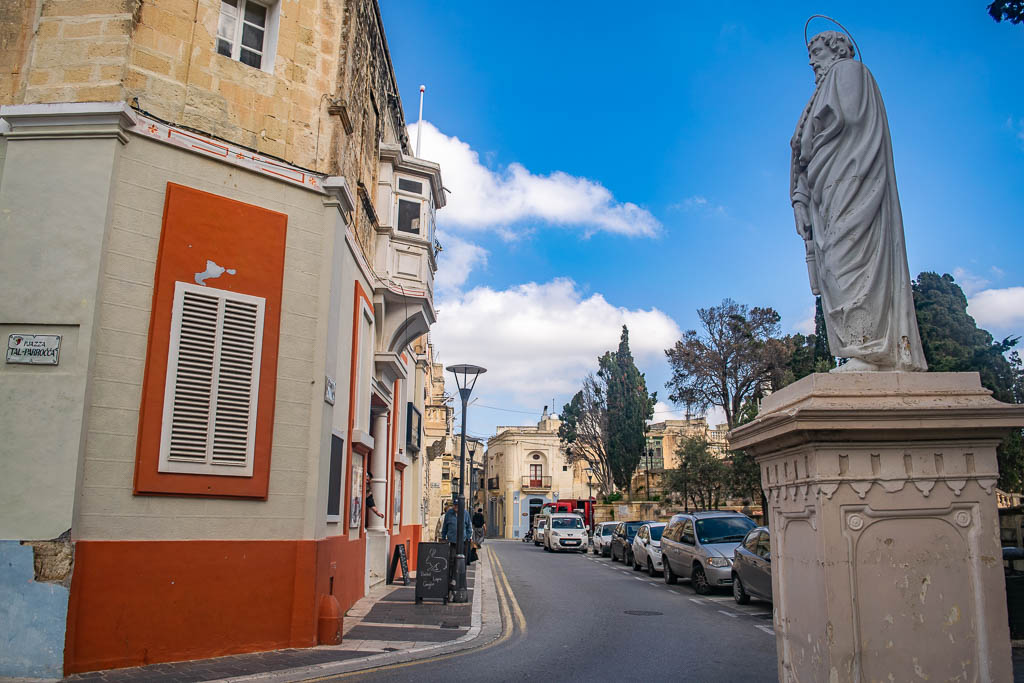
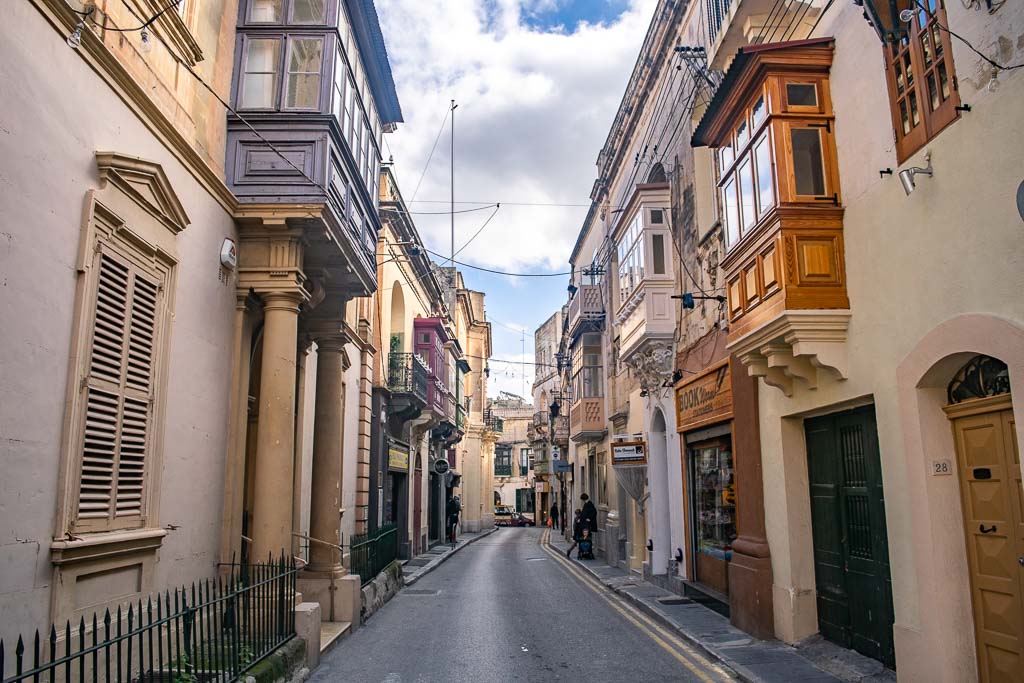
A visit to Mdina is not complete without exploring the town of Rabat that encompasses it. Simply stepping across the gardens outside Mdina’s fortifications brings you to Rabat and there are plenty of historic streets to explore. Rabat’s the only place other than Valletta where I found pedestrian streets to wander in Malta.
Unlike Valletta however, Rabat isn’t laid out in a grid, so there are ample opportunities to get lost in its jumble of streets. One of my favourite things to do in Mdina, Rabat and pretty much anywhere in Malta.
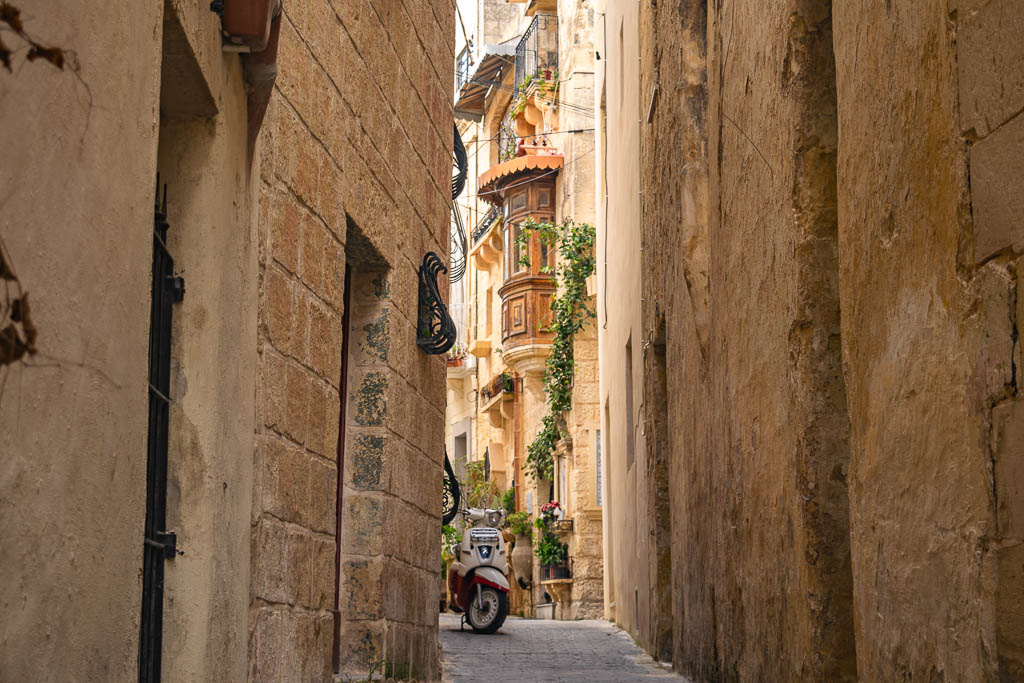
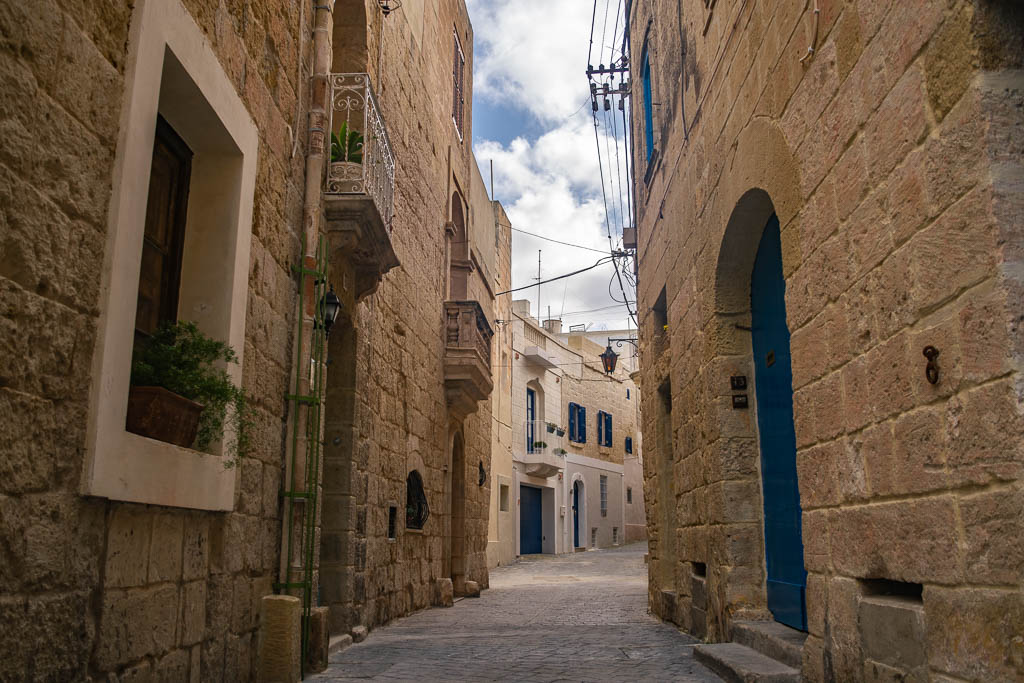
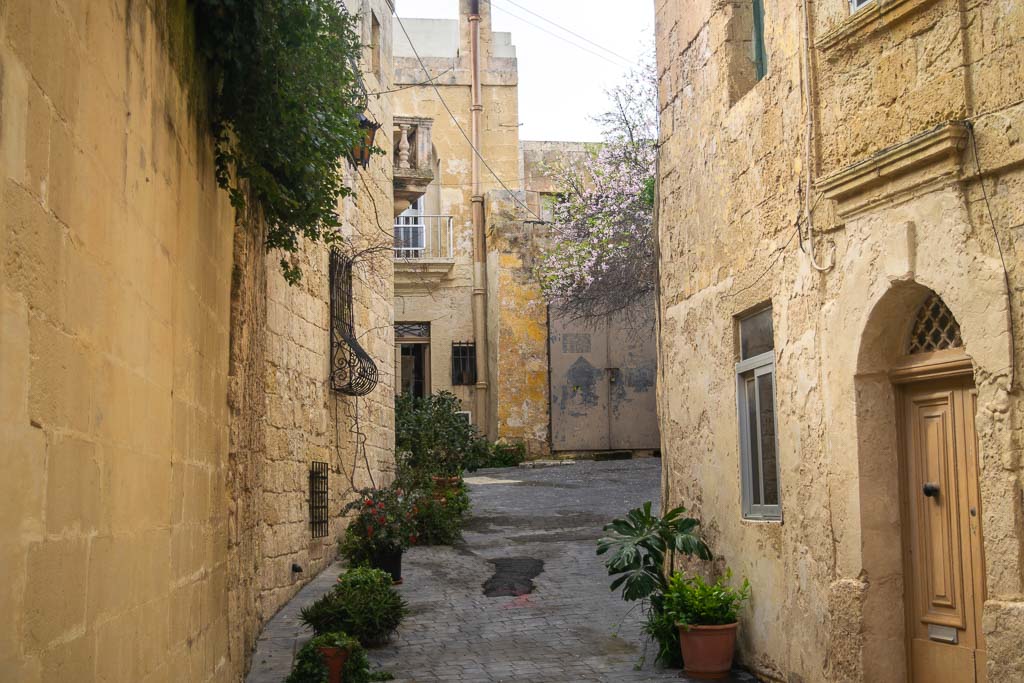
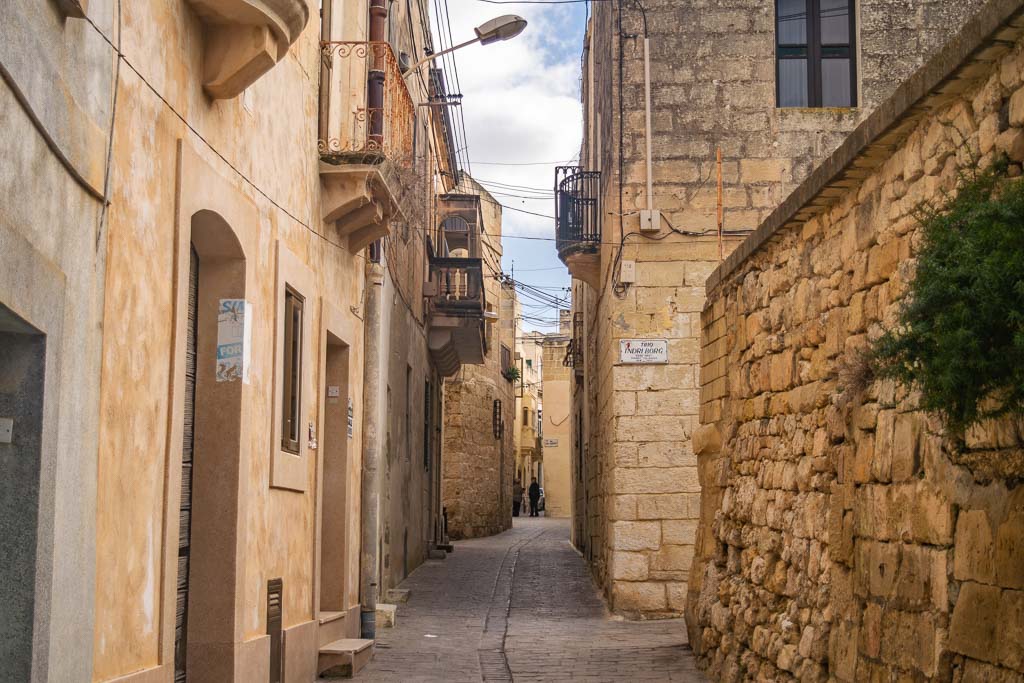
Streets of Rabat
Rabat was first formed as an extension or suburb of Mdina. When the walled city began to decline, Rabat began to become the dominant of the two. Whereas the Silent City is trapped in time, Rabat has modernised somewhat and provides an interesting contrast.
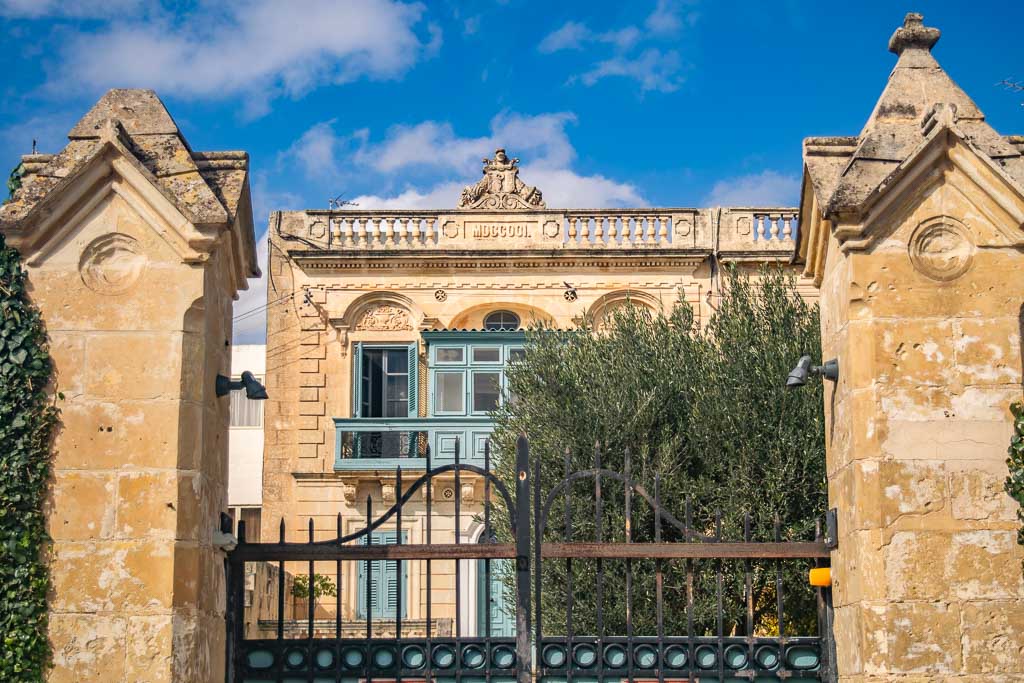
Churches outside Mdina
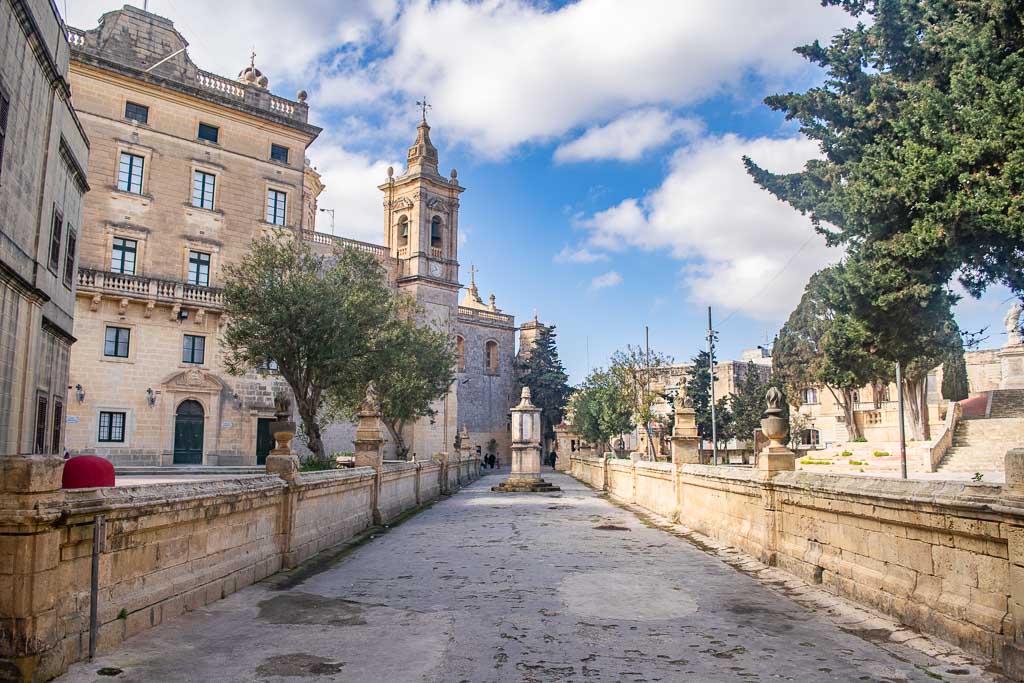
Again, you’re bound to come across your fair share of religious institutions in Rabat. There’s the Parish Church of St Paul & Grotto Of St Paul and the smaller St Cataldus Church opposite. More curious however are the Catacombs of St Paul and St Agatha which date back to the Roman era. These sites require an entrance fee so I opted not to visit, but they do sound quite interesting.
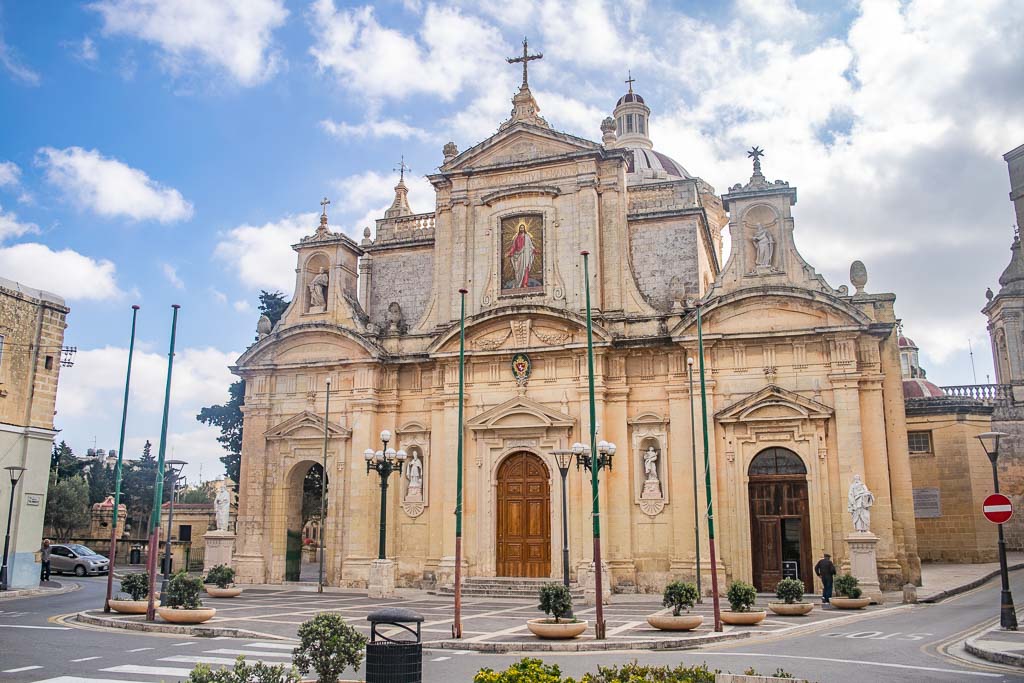
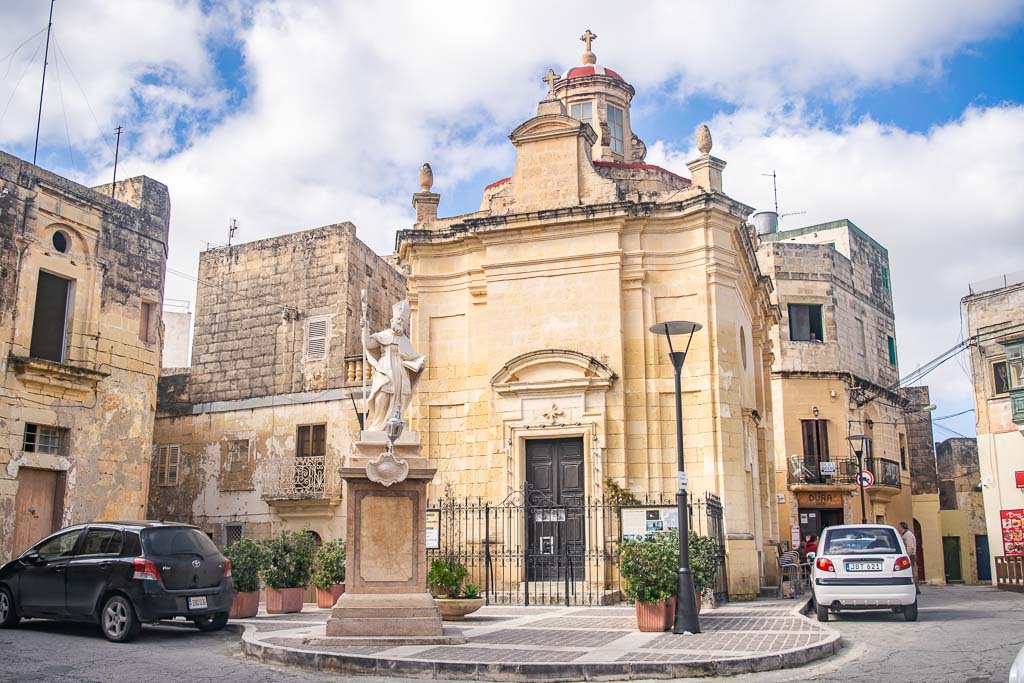
Have you heard of or visited the Silent City of Mdina or Rabat before? What about this historic place in Malta most interests you? Please share your thoughts below.

This article is now available as a mobile app. Go to GPSmyCity to download the app for GPS-assisted travel directions to the attractions featured in this article.

1 comment
I’m going to have to spend a month in Malta in order to see everything!! This is a beautiful town! Almost sad that it’s not the capital anymore! And a shame you didn’t make it to that church off in the distance, but you can only see so much! Pinned!