
Disclosure: This post (probably) contains affiliate links. If you click on one, I may make a small commission. Of course, this will come at no extra cost to you and helps keep this site running.
Adrift in the Mediterranean Sea, Malta is a small, one-of-a-kind European nation. Compared to your typical Mediterranean destinations, Malta is more than just a place to sit by the beach and party. It’s home to some remarkable history, beautiful scenery and a proud culture.
After two long trips visiting Malta, I don’t think I’m exaggerating when I say I know a little about the place. There’s no way I’m like a local or anything, but I’ve picked up a thing or two.
Malta is the kind of destination that anyone can visit, whether they’re a first-time traveller or veteran nomad. But it’s always good to be prepared before a trip and have all the information at your fingertips. In that spirit, here are some things to know about visiting Malta that should help with your trip.
1. More than one island

If you’ve never been to Malta before, or haven’t read my other articles, chances are you don’t know much about Malta’s geography.
It’s possible you didn’t even know that Malta has more than one island, or that Malta is even an island at all! Yes, the country of Malta is an archipelago made up of several islands, the largest of which is also called Malta.
The other main islands of Malta are Gozo and Comino, although only Gozo is inhabited. Whereas Malta is quite thoroughly settled and has some major urban areas, Gozo is far more rural and rustic. Across its hilly landscape, villages are separated by fields and valleys.
Comino, which lies between Malta and Gozo, is more rugged and sparse. However, because it lacks cars and people, Comino is the most serene of the islands. Comino is also home to the Blue Lagoon, a popular swimming spot.
Finally, there are the really small islands like St Paul’s Island that rarely come into play. You’re going to want to include both Gozo and Comino in your Malta itinerary, the other islands not so much.
2. How to get to Malta
Visiting Malta is still incredibly straightforward even though it isn’t the most popular destination in Europe.
Malta is a member of the EU and part of the Schengen Zone, which means that the rules for entering Malta are much the same as other places in Europe. Immigration rules for entry are straightforward for most nationalities and your time in Malta will count toward your number of days within the Schengen Area.
Your options for getting to Malta, an island, are either to come by boat or plane. Most people come by plane, but you can take a ferry across from Sicily, with up to 15 ferry crossings a week.
Flying to Malta is more likely and you’ll fly into Malta’s Luqa Airport, the one international airport in the country. Finding flights from Europe isn’t too tough, with Italy a particularly easy and cheap choice. This is largely thanks to services by the national airline, Air Malta, as well as budget carriers like Ryanair.
3. Getting around Malta

Driving in Malta comes with challenges. Although the islands of Malta are relatively small, their road networks don’t seem to have been built with cars or buses in mind. Keep this in mind if you decide to rent a car for your visit.
This means that traffic in Malta is usually pretty rough and it can take much longer than you’d expect to get places. For instance, getting to and from the airport can take way longer than you’d imagine if the traffic is bad. It’s best to expect an unpredictable journey if you’re driving about or going by bus, especially before your flight home.
Your best option for getting around Malta is certainly by bus. Malta’s extensive bus network reaches nearly every corner of the country and tickets are quite reasonable. I highly recommend picking up a 12 single journey card at the airport on arrival to make matters easier.
Ferries in Malta don’t have to worry about traffic and are far more reliable. There are also island cruises for tourists that take in many of Malta’s sights. The most common ferry routes are between:
- Sliema and Valletta
- Cospicua and Valletta
- Cirkewwa (Malta) and Gozo
- Cirkewwa (Malta) and Comino
4. Working out where to stay
A priority for most people planning to visit Malta is deciding where to stay. While Malta is a small country, it’s not so small that you don’t have options to choose from.
Most visitors, especially first-time visitors, choose to stay in the area around the capital, Valletta. This part of Malta includes tourist neighbourhoods such as Sliema and St Julian’s Bay. It’s a good pick to get used to the country and the area has great bus and ferry connections.
But there is much more to Malta to explore, including its other islands. You’ll want to think about whether staying in other parts of Malta, such as around Mellieha or Marsaxlokk, works with your plans. If you have an eye on Gozo, you’ll also need to think if you’ll go on a day trip or stay there.
Remember, there’s no wrong answer, this is just to get you thinking about your options. To learn more about where to stay in Malta, do check out my dedicated post on the different areas.
5. An affordable getaway
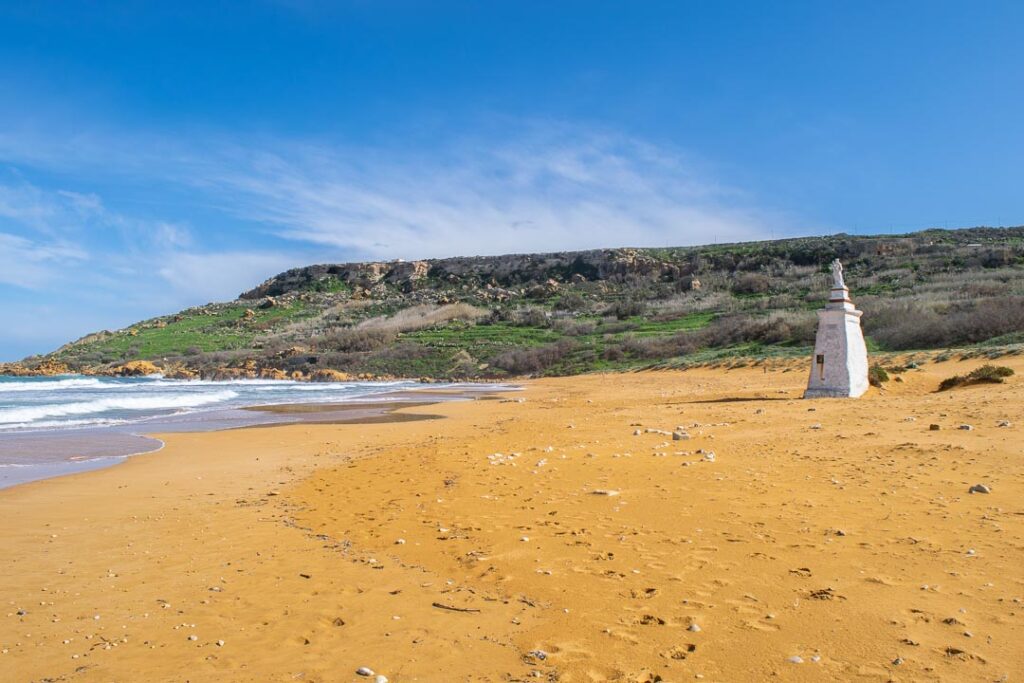
One of the great appeals of visiting Malta is how affordable it is as a destination.
Sure, like anywhere you can find ways to spend money on luxurious digs, but in general, Malta offers great value for money. Normally, island destinations like this come with a significant price hike in everything from transport to food and accommodation, but not really on Malta.
Relative to say Italy, food and accommodation are cheaper in Malta and its €2 bus fares are quite reasonable. Perhaps the only thing that’s not too cheap in Malta is the entrance to some of the attractions and museums.
I’d also say that it’s kind of ideal for digital nomads – affordable, decent Wi-Fi and an easy place to sightsee in your downtime. Due to the nature of the tourism market, serviced apartments are very common around Valletta and are a great choice for people looking to cook the odd meal.
My one gripe is that the only cafes around in places like Sliema, Gzira and St Julian’s are busy chains like Starbucks.
6. Understanding Malta’s history and culture

While the tourists you’ll meet in Malta are mostly British and Irish (to a mindboggling degree), Malta itself may be the most quintessentially Mediterranean country in the world.
Look for the middle of the Mediterranean Sea and there you’ll find Malta. This location, together with the country’s complex history, is why Malta has always had a balance of influences from throughout the region.
The Romans, Moors, Normans, Sicilians, Spanish, French and British have all controlled Malta at one time or another. For millennia it has been a crucial trading port for whoever controlled it, and these presences have left their influences across the islands.
How else do you explain a royal red mailbox next to Maltese houses that look like they’re from North Africa? Inside those homes, you have the people that bear more in common with their neighbours in southern Europe. And then look around and you have fortresses across the island that were built by the Order of St John and likely inspired by the order’s time in the Holy Land.
This melting point of influences is a defining characteristic of Malta and one not to be ignored but cherished.
7. Basic phrases for Malta
Before visiting Malta, I had this naive expectation that everything would be very similar to Italy. There are indeed some similarities in things like language, but only to a certain extent. Just as Malta is a melting pot of influences, so too is Maltese a jumble of languages.
I think that Maltese is one of the rare cases where it is easier to understand it being spoken than it is written down. When you hear Maltese, the words can sound familiar.
That’s not the case when you try to read it. Maltese is heavy on unusual consonant combinations and letters like ‘Z’, ‘J’ and ‘X’. Attempting to read and sound out Maltese words can be a real challenge.
The country’s bus stops are the perfect example.
While tourists typically learn the English names of neighbourhoods and areas, the Maltese bus service only uses the Maltese place names. When the two are nowhere near alike, you’re in for a hard time. It may not be too hard to figure out San Giljan is also Saint Julian’s, but best of luck figuring out L’Isla is also Senglea.
8. What to eat in Malta
If you said you had no idea what Maltese food looks like I wouldn’t blame you. Again, this is something that’s been shaped by centuries of different influences.
In my experience, it’s also a bit harder to find genuine Maltese food than you might think. International cuisine is everywhere in Malta, especially in the areas where tourists stay. I mean, my favourite restaurant in Gzira was a Hungarian place, Rumour Bar & Kitchen. But there are loads of Italian restaurants, seafood restaurants, steakhouses etc.
But it’s not impossible to find Maltese restaurants in Malta. Ta’ Kris is a popular one in Sliema. I can happily recommend their bragioli, which is slow-cooked stuffed beef and quite delicious.
Another dish you can try when visiting Malta is ftira, a flatbread topped with potato, fresh tomato, onion, capers, olives and seafood like sardines. This popped up more when I was on Gozo and away from the Valletta area.
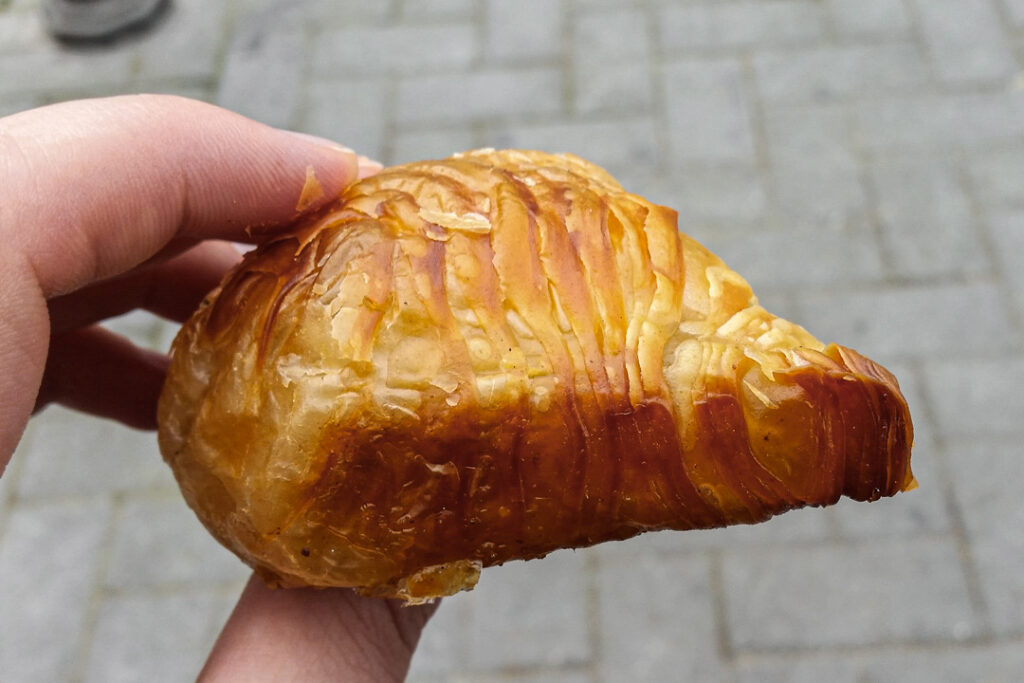
One of the easiest local foods though is pastizzi. These flaky savoury pastries, usually filled with either ricotta or curried peas, are found everywhere and are a good snack.
9. Escape the cold in winter
No surprises, but Europe gets cold in winter. Wanting to escape that cold makes perfect sense. And thanks to its Mediterranean climate and southern location, Malta is a smart choice for a winter sun getaway.
Now, there’s no guarantee that the weather will be perfect. You’re bound to have the odd rain shower and some wind, so I wouldn’t exactly call it beach weather. But compared to the frozen state of mainland Europe, Malta in winter will feel positively tropical.
The weather’s perfect for sightseeing or for going on hikes on Gozo. Average highs from January to March are 17°C which beats the 0°C highs which are all too common elsewhere. And when the sun is out, you’ll feel that seasonal affective disorder just fade away.
Resources for Visiting Malta

- Getting There: To find the cheapest and most convenient flights to Malta, make sure to check Kayak.
- Accommodation: Here you can find hotels, apartments, and guesthouses for both Malta and Gozo.
- Tours: There are countless day trips, cruises, and sightseeing tours available on Malta.
- Car Hire: If you want to travel more independently, consider renting a car to drive yourself about.
- Managing Money: The Wise card can be a great option for getting cash out and making purchases.
- Travel Medical Insurance: Need coverage in case you get sick, or injured, or your luggage gets lost? Get a quote for Nomad Insurance from SafetyWing.
What questions do you have about visiting Malta? Have you been before and think there are other things people should know before going? Please share your thoughts in the comments below.

2 comments
Great post. Really liked about the Maltese language. Beside many Brits, there are many Italians. 🙂
Thanks for the article.
I wonder how it has changed by 2023.