Disclosure: This post (probably) contains affiliate links. If you click on one, I may make a small commission. Of course, this will come at no extra cost to you and helps keep this site running.
Denmark deserves more notice. Sure, Copenhagen is famous for its beautiful canals and for always ranking as one of the most liveable cities in the world. But there’s so much more to why visiting Denmark is such a fun and memorable experience. I honestly can’t wait to go back, it’s right at the top of my list of European countries to revisit.
I was no stranger to Denmark as a child. We visited several times while temporarily living just across the Øresund Strait in Sweden. Those fond memories were only added to during my experience backpacking in Denmark. While I know there’s much more to see around the country, what I have seen in Denmark leaves me no doubt how much the country is worth visiting, given the chance.
To remove any hurdles to stop you from visiting Denmark and enjoying it, allow me to offer a little advice. Forgive me for not including anything on Greenland and the Faroe Islands, this is only advice for travelling to Denmark “proper”. But trust me, I plan to get there.
1. Copenhagen is just the start
Too many visitors to Denmark never leave the city of Copenhagen. Yes, the Danish capital is a beautiful city to explore and the kind of famous destination that people dream of seeing one day.
But it is only one small part of Denmark and is not the only place that’s good for tourists to see. As much as I like Copenhagen, and I’ve been twice so far as an adult, I’m not sure it’s my favourite place in Denmark.
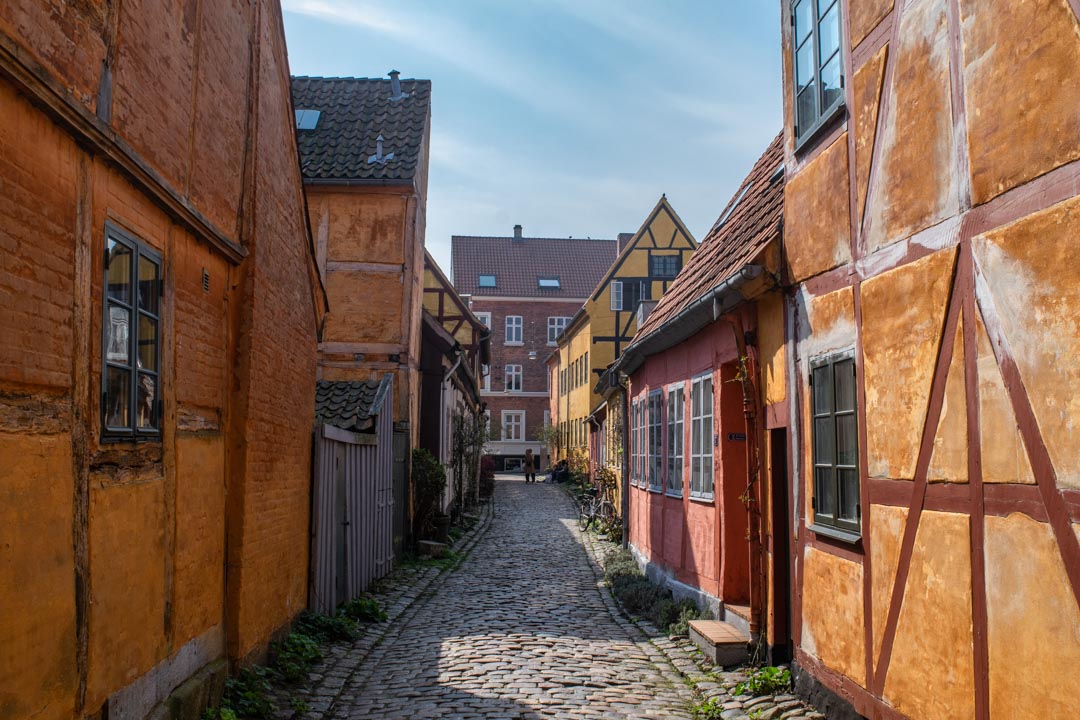
Maybe that honour goes to Helsingor, the charming port city with welcoming locals that felt full of history. Or perhaps it belongs to Odense, which served up Hans Christian Anderson, wildflowers, and some good food.
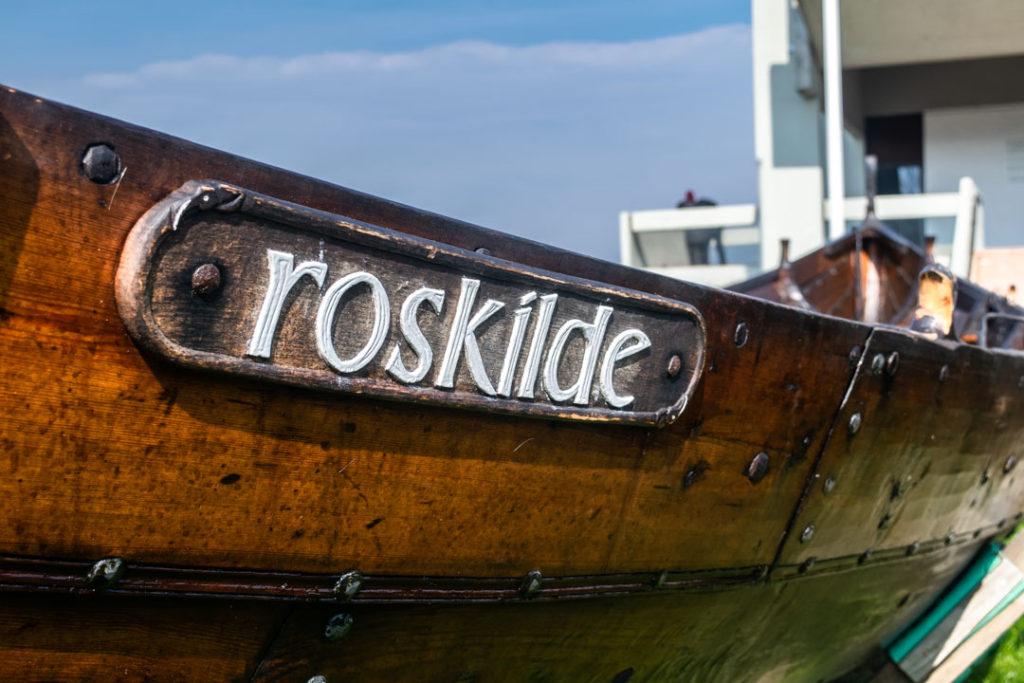
Aarhus also feels like a contender, with its youthful and social atmosphere aided by memorable cultural landmarks. And it wasn’t in Copenhagen that I got to see preserved Viking ships up close.
The point isn’t that one destination is better than the other. Each of these places is worth visiting and offers something different to visitors, as I’m sure many other places to visit in Denmark do. You won’t know your favourite place in Denmark until you explore beyond just one city, no matter how great it is.
2. How to get to Denmark

Denmark is one of the easiest countries to get to if you’re travelling in Western or Northern Europe. Whether you want to come to Denmark by plane, car, ferry, train, or bus, there are ways to visit without too much stress.
Flying to Denmark is generally the easiest way to get there if you’re not coming from Sweden or Germany. The two airports you need to know about are Copenhagen Airport (officially Copenhagen Airport, Kastrup) and Billund Airport.
Copenhagen Airport is the main international airport, while Billund Airport has a few specific European routes and some budget airline flights. You’re most likely to fly into Copenhagen Airport, which is good, as it’s really easy to get from the airport into the city.
Getting to Denmark from Sweden, you can either come over the famous Øresund Bridge by car or train, or hop on a ferry. The train from Malmo in Sweden couldn’t be easier – I took it when I finished my Scandinavian trip in Copenhagen.
Ferries run between Sweden and Denmark, but also between Germany and Denmark. The most common one to use is the ferry between Helsingborg (Sweden) and Helsingor (Denmark), as it’s only a few miles across.
Trains do run between Denmark and Germany, but it usually isn’t the most straightforward journey. Coming from somewhere such as Hamburg, you’ll first travel to the small city of Kolding. From there you can transfer to Aarhus or Odense. The exception is the direct EC trains from Hamburg to Copenhagen which don’t require a change on their 5-hour trip.
3. How to get around Denmark

Denmark is a country of islands, and I’m not just talking about Greenland and the Faroe Islands. Metropolitan Denmark is the name for the part of Denmark in mainland Europe, not including those two territories. It is made up of the Jutland Peninsula, three large islands – Zealand, Funen, and The North Jutlandic Island, and hundreds of small islands.
Travel in any direction for long enough in Denmark, and you’ll hit water. Even with the many bridges and ferries throughout Denmark, expect it to take longer to get places in Denmark than it would seem.
Renting a car can be a good option if you want to explore small destinations around Denmark and travel by ferry. You also might be surprised to see how cheap a rental car in Denmark can be. However, I don’t think a car is necessary if you’re just visiting Copenhagen or doing day trips to nearby cities and attractions.
That’s because Denmark’s train network is very good. Frequent trains connect the main destinations in Denmark, giving you lots of flexibility when travelling and doing day trips. Trains from Copenhagen to places such as Roskilde and Helsingor leave every 10-15 minutes, and you can get to a lot of places easily within an hour.
As for getting around cities in Denmark, it varies. Walking and cycling will always work, but you also have super easy-to-use things like the metro in Copenhagen and the light rail in Aarhus, as well as buses.
4. Is Denmark expensive?

One of the main things on travellers’ minds when looking at a Denmark trip is the cost. And that’s perfectly understandable – Denmark is expensive!
Like so many of its Scandinavian/Northern European neighbours, Denmark is not a cheap place to travel. It has a high cost of living and that is reflected in the prices you pay as a visitor to be there. You’ll notice that cost in everything from food and accommodation to transport and activities.
I will say that I don’t think Denmark is as expensive as Iceland, Norway, or Switzerland, for example. What I paid in some places for accommodation and transport was quite good compared to those countries. Entrance fees to main attractions also aren’t that different to Western Europe prices.
Some of the ways I saved money while travelling in Denmark were:
- staying in private rooms on Airbnb, like I did in Odense
- buying occasional meals at supermarkets – much cheaper and still good quality food
- focusing on free attractions and using public transport to get around
- using the Copenhagen Card to save on entry fees and train fares (it’s not just useful in Copenhagen)
5. What to eat in Denmark

The idea that Denmark was a top-tier food destination shocked me the first time I heard it a long time ago. Not being a foodie myself, I probably learned of Noma later than many. While it’s the most famous Michelin-star restaurant in Denmark, it’s not alone, with many across Copenhagen and Denmark.
I’m not the right person to recommend fine dining in Denmark – this seems a good place to start. Instead, I can recommend what I had as a regular budget-restricted traveller. So, you won’t find things like oysters or stjerneskud here.
Smørrebrød – open-face sandwiches – are the most famous dish to eat in Denmark you’ll come across. While they won’t be cheap, getting a few to try the different toppings helps you appreciate how delicious they can be.
What will be cheaper are regular sandwiches from bakeries and sandwich shops that are all over the place, especially in Copenhagen – Vandkunsten Sandwich being my recommendation.
If you’re after something that works as more of a snack, hot dogs from convenience stores or kiosks are an affordable, tasty, and still local option. You also find this in Sweden and Finland, so don’t make the mistake of thinking this is purely an American/German influence.
As for something sweet, you will find lots of pastries. Just don’t call them danishes, as Danes associate these “wienerbrod” pastries with the Austrian bakers who made them. The pastries take many forms, with cinnamon, chocolate, and poppy seeds as common ingredients.
6. Denmark’s love of castles and palaces

I don’t think many countries in Europe love a good castle or palace as much as Denmark. Visit any city in the country, or seemingly any suburb in Copenhagen, and you’ll find one.
And we’re not talking about some sad ruins that have been left abandoned. Actually, I think you’ll find some of the best castles in Europe while visiting Denmark.
Copenhagen is a great place to start if you want to see palaces and castles. After all, it is where you’ll find the main residence of the Danish Royal Family, Amalienborg Palace. But this palace is generally upstaged by the immense Christiansborg Palace and the undeniably beautiful Rosenborg Castle. And you can visit all three while in Copenhagen.
Outside of the capital, there are many more castles to visit. My personal favourite was Frederiksborg Castle because it’s so magnificent. However, most visitors will be more familiar with Kronborg Castle in Helsingor because of its connections to Shakespeare’s play Hamlet.
These are just the famous castles of Denmark. Less well-known ones include Marselisborg Castle, Augustenborg Palace, and Voergaard Castle, showing just how much there is to explore here.
7. Best time to visit Denmark

A big part of planning your Denmark trip is deciding when to go. Do you decide to go when the weather is nice or when places like Copenhagen aren’t too busy?
Since Denmark is in northern Europe, you know that it gets cold in winter. Go between December to early March and you won’t see too many other tourists as you walk around in a coat. But short, cold days aren’t the most fun for being outdoors sightseeing.
Summer, from June through to early September, is when you’ll find Denmark at its warmest and brightest. And while that can be nice, you will have to share its cities and beaches with many other tourists, especially in July and August.
In my experience, the best time to visit Denmark is in the spring. My main Denmark trip was in April, which was the perfect month to visit to get the best of both worlds. Sunny days and cool nights were perfect for sightseeing, and many attractions had very few other tourists. For instance, I often found myself completely alone inside Frederiksborg Castle – one of Denmark’s most popular attractions.
Visit Denmark in April or May, and you have the bonus of seeing spring blossoms around the country. Go to the Langelinie Park in Copenhagen or the lake at Hillerød, and you’ll see some of the best spring blossoms in Europe.
Resources for visiting Denmark

- Getting There: To find the best-priced and most convenient flights to visit Denmark, check Kayak.
- Accommodation: Here you can find hotels, apartments, and guesthouses throughout Denmark.
- Tours: Countless day trips and sightseeing tours are available for visiting Denmark.
- Car Hire: You can travel when and where you like by renting a car to drive around Denmark.
- Managing Money: The Wise card can be a great option for getting cash out and making purchases.
- Travel Medical Insurance: Need coverage in case you get sick, or injured, or your luggage gets lost? Get a quote for Nomad Insurance from SafetyWing.
Is visiting Denmark on your bucket list or something you’ve always wanted to do? If you’ve travelled to Denmark before, what do you think people need to know before going? Please share your thoughts in the comments below.

4 comments
I have been to Copenhagen only once, last year in summer to catch up with a school friend who has lived there for a long time
We are both from South Africa.
I now live in the UK
I LOVED COPENHAGEN. I thought all the cyclists were very courteous and the trains were super efficient and accommodating
I will definitely go back
That’s great to hear Lesley, I also found it a very easy city to enjoy. I’m sure knowing someone who lives there also adds to the experience. Safe travels!
A lovely place to visit is a small town called Ribe it’s very old and beautiful.
Thank you for sharing the recommendation Agnes!